



What is Flair AI?
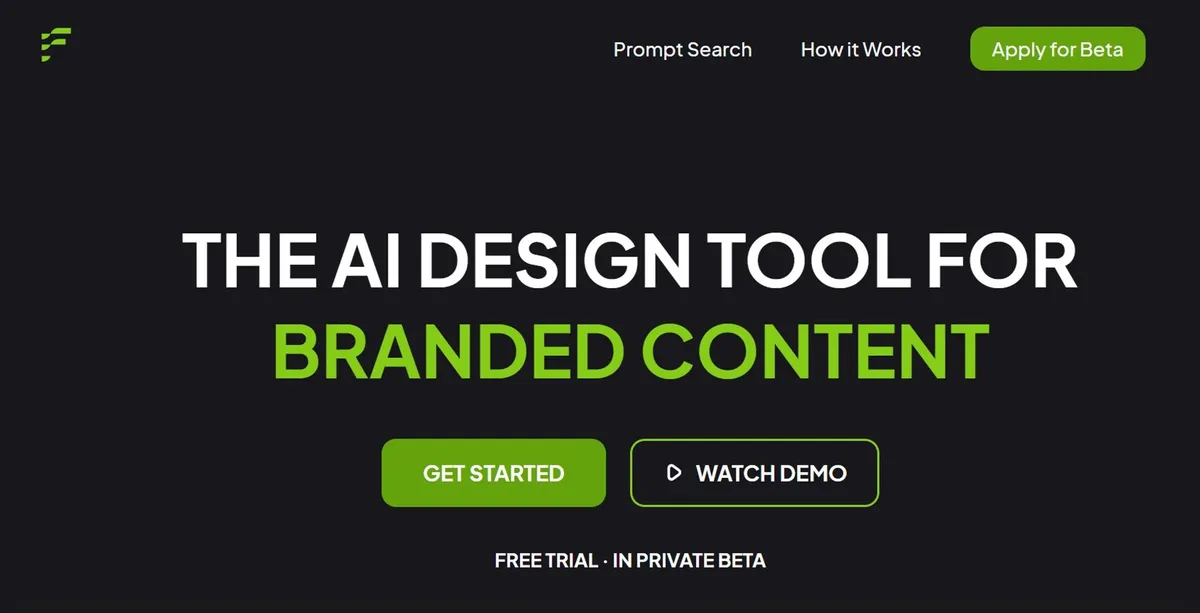
E-commerce brands spend an average of $150 to $400 per professional product photo. Flair AI generates marketing assets in under 30 seconds, replacing physical studio setups with digital scene construction. Users upload a flat image, and the system builds a realistic environment around it.
Developed by Flair Labs Inc., this platform targets e-commerce managers and digital marketers. It solves the high cost of traditional product photography. You drag a product onto the canvas, type a description, and receive a finished lifestyle image. The software handles the lighting and shadows automatically.
This speed alters how small teams plan their seasonal campaigns.
- Primary Use Case: Generating professional product photos for e-commerce listings without a physical studio.
- Ideal For: Solo e-commerce store owners and digital marketing teams.
- Pricing: Starts at $1.50 (Annual Plan) : Entry level paid features.
Key Features and How Flair AI Works
Scene Construction and Rendering
- Drag-and-drop Canvas: Users upload product images and arrange them visually on a digital board. Canvas space is restricted on the free tier.
- Real-time Rendering: Scale plans offer up to 194,400 real-time image previews. You need a high-speed internet connection to use this feature smoothly.
- Smart Lighting: The system calculates shadows based on the background. It occasionally misinterprets multiple light sources (a common issue among image generators).
Image Processing and Output
- Automatic Background Removal: Cuts out product images immediately upon upload. It struggles with intricate edges and fine details.
- Image Upscaling: Enhances generated images to 4K quality for print. This process consumes credits quickly on lower tiers.
- Batch Generation: Creates up to 10 variations of a scene simultaneously. This feature is limited by your monthly credit allowance.
Advanced Brand Controls
- Custom Model Training: Trains the AI on specific brand aesthetics. This is available only on higher-priced Scale and Enterprise plans.
- API Integration: Automates image generation for large catalogs. This access is restricted entirely to custom Enterprise contracts.
Flair AI Pros and Cons
Pros
- Realistic Lighting: Matches product shadows to the generated environment for a natural look.
- Cost Efficiency: Replaces physical props and studio rentals starting at just $1.50 per month.
- Speed of Execution: Delivers finished marketing assets in under 30 seconds.
- Brand Consistency: Saves specific scene settings for reuse across entire product lines.
Cons
- Complex Shapes: Fails to accurately process transparent materials like glass.
- Credit Consumption: High-resolution 4K exports deplete monthly allowances rapidly on the $8 Monthly Plan.
- Text Rendering: Generates illegible or distorted text within background elements.
Who Should Use Flair AI?
- Solo E-commerce Founders: Small store owners can generate professional listings without buying camera equipment.
- Digital Ad Agencies: Marketing teams can rapidly prototype packaging visuals in various lifestyle settings for client pitch decks.
- High-Volume Catalog Managers: This tool is NOT a good fit for users needing perfect cutouts of complex transparent items like glassware.
Is the upgrade worth the cost?
Flair AI Pricing and Plans
The free tier acts mostly as a trial, restricting features for teams.
- Basic Plan: $0 per month. Free forever, but features are highly restricted.
- Annual Plan: $1.50 per month ($18 billed annually). Unlocks entry-level paid features.
- Monthly Plan: $8 per month. Provides standard monthly access without a yearly commitment.
- Scale Tier 1: $38 per month. Includes 15 Standard models, 150 images, and 54,000 real-time images.
- Scale Tier 2: $52 per month. Increases limits to 20 Standard models, 200 images, and 73,440 real-time images.
- Scale Tier 3: $66 per month. Offers 25 Standard models, 250 images, and 95,000 real-time images.
- Scale Tier 5: $138 per month. Delivers 54 Standard models, 540 images, and 194,400 real-time images.
- Enterprise: Custom pricing. Grants unlimited API access, custom credit amounts, and priority support.
How Flair AI Compares to Alternatives
Similar to Pebblely, Flair AI focuses on placing consumer products into lifestyle scenes. Pebblely offers a slightly more intuitive interface for absolute beginners. Flair AI provides more granular control over lighting and shadows for advanced users (which we found highly useful during testing). Both tools struggle with transparent objects.
Unlike Booth.ai, which requires specific text prompts to generate lifestyle models holding products, Flair AI excels at tabletop and environmental product placement. Booth.ai targets fashion and apparel brands needing human models. Flair AI works better for packaged goods and cosmetics.
The Verdict for E-commerce Marketers
Flair AI delivers massive value to budget-conscious e-commerce managers selling opaque, solid products. The $1.50 annual entry price makes it highly accessible for solo founders. Users dealing with complex transparent items should look elsewhere.
If you need human models interacting with your apparel, Booth.ai is a better alternative. The honest limit remains its handling of glass and intricate edges. You will still need manual Photoshop work to fix these specific material errors.