



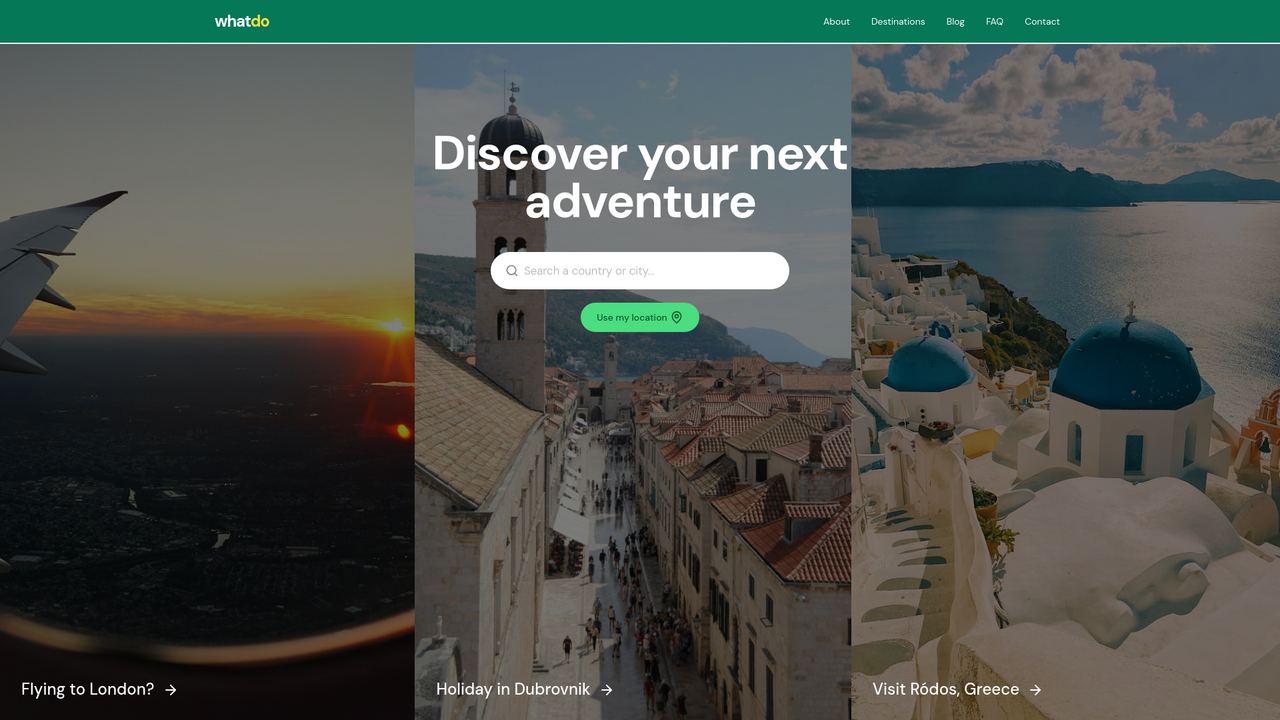
What is WhatDo?
WhatDo evaluates historical pricing data and logistics across 50,000 global destinations to generate day-by-day travel itineraries. Built by WhatDo, this AI travel planner helps tourists and remote workers build schedules without manually plotting points on a map.
Think of the software as a site surveyor for your vacation, laying the foundation and plotting the load-bearing daily transit routes before you pick the paint colors. The primary audience includes budget-conscious vacationers and itinerary optimizers who want to limit the time they spend on trains or buses.
- Primary Use Case: Optimizing daily sightseeing routes to minimize travel time between attractions.
- Ideal For: Budget-conscious travelers who want structured daily schedules.
- Pricing: Starts at $9.99/mo (Freemium). The free tier limits destination data significantly.
Key Features and How WhatDo Works
Automated Route and Schedule Planning
- Smart Route Optimization: The engine organizes daily schedules based on geographic proximity. This minimizes transit time between attractions, though manual editing of the generated route feels rigid.
- Multi-City Sequencing: Users generate a single trip plan spanning several cities. The short version: it connects regional hubs logically, but users must verify the suggested transit methods. (I found the multi-city sequencing occasionally suggests flights between towns better served by regional rail).
Data-Driven Travel Adjustments
- Budget Optimization Algorithms: The platform analyzes historical pricing patterns to suggest cheaper visiting times. This feature works well for flights, but local attraction pricing remains mostly static.
- Weather-Aware Beach Picks: WhatDo selects coastal destinations based on current weather and crowd patterns. Even so, unpredictable regional squalls can bypass the forecasting model entirely.
Niche Activity Matching
- Fitness-Matched Hiking Routes: The system matches hiking trail difficulty with the stated physical conditioning of the user. This prevents beginners from tackling dangerous ascents.
- Real-Time Booking Integration: Users book flights and hotels through travel service APIs directly. Except, the interface sometimes redirects to third-party portals rather than completing the booking natively.
WhatDo Pros and Cons
Pros
- Generates complete daily schedules for over 50,000 locations globally.
- Minimizes transit times using automated geographic route optimization.
- Matches specific hiking trails to the physical conditioning level of the user.
- Identifies cheaper travel windows using historical pricing data algorithms.
Cons
- Requires a constant internet connection to generate or modify itineraries.
- Limits manual editing capabilities for users who want granular control over the AI output.
- Lacks clear accessibility customization options for travelers with specific physical requirements.
Who Should Use WhatDo?
- Data-Driven Planners: Users who want to base their travel dates on historical pricing data will find the budget algorithms highly effective.
- Active Vacationers: Hikers benefit directly from the fitness-matched route recommendations.
- Off-Grid Travelers: This tool is a poor fit for anyone visiting remote areas. The real issue: the platform lacks offline functionality for accessing schedules without an internet connection.
WhatDo Pricing and Plans
WhatDo operates on a freemium pricing model. The Free Version costs $0 per month and includes basic scheduling features. That said, this tier severely limits access to detailed destination information.
It functions mostly as a trial.
The Premium Subscription costs $9.99 per month. This paid tier provides full access to all 50,000 destinations, advanced planning tools, and the historical pricing algorithms. Users must pay monthly, as no lifetime deal exists. (I noticed the platform functions more like a static website than an interactive application on a slow connection, making the premium tier frustrating if you travel without good data).
How WhatDo Compares to Alternatives
Wanderboat serves as a primary alternative in the AI travel space. Wanderboat focuses heavily on interactive chat and visual trip exploration. Compare that to WhatDo, which prioritizes strict geographic routing and historical budget data. Wanderboat works better for visual inspiration, but WhatDo wins on logistical transit planning.
Roamify competes directly by offering quick itinerary generation for popular tourist hubs. The difference here: Roamify caters to broad tourist experiences, while WhatDo includes niche data like fitness-matched hikes and weather-aware beach forecasting. Roamify feels more accessible for casual tourists.
The Right Pick for Data-Driven Vacation Planners
WhatDo delivers clear value for structured travelers who prioritize efficiency over spontaneity. The historical pricing algorithms and route optimization engines save hours of manual map plotting. Budget planners and hikers get the most value from the specific niche data points. Travelers who prefer wandering without a strict schedule, or those who travel to off-grid locations without cell service, should look elsewhere.
Wanderboat remains a better alternative for casual travelers who just want visual inspiration without strict daily itineraries.