Freepik AI Image Generator is a web-based text-to-image tool built for digital marketers and designers. It creates custom stock photography and vector illustrations using integrated AI models. While it offers excellent real-time rendering, it lacks the granular parameter controls found in advanced platforms.
What is Freepik AI Image Generator?
A digital marketer needs a specific hero image of a diverse team reviewing blueprints in a sunlit office. Instead of browsing stock libraries for hours, they type a prompt and generate four variations in seconds.
Freepik AI Image Generator, developed by Freepik Company S.L., is a web-based text-to-image tool. It helps designers and marketers create custom stock photography and vector illustrations. The platform integrates advanced AI models directly into Freepik’s massive asset library.
- Primary Use Case: Generating custom stock photography and vector illustrations for digital marketing campaigns.
- Ideal For: Digital marketers and freelance web designers.
- Pricing: Starts at $7.50 (freemium). Offers accessible entry pricing with generous daily limits.
Key Features and How Freepik AI Image Generator Works
Real-Time Rendering and Sketching
- Real-time Sketch: The Pikaso engine renders hand-drawn input instantly. It struggles with highly complex architectural sketches.
- Text-to-Image: Generates four variations per prompt. Users face a strict daily credit allowance.
Image Enhancement and Editing
- AI Image Upscaler: Enhances resolution up to 4K using Magnific AI. This feature requires a paid subscription.
- AI Retouch: Provides brush-based masking for specific edits. Complex background interference sometimes ruins the mask.
Style Control and References
- Style Presets: Includes 15 built-in styles like Cinematic and 3D. Users cannot create custom reusable styles.
- Image-to-Image: Uses uploaded files as structural references. The system restricts maximum file upload sizes.
Freepik AI Image Generator Pros and Cons
Pros
- A high daily limit of 20 images on the free tier provides significant value.
- Magnific AI integration offers superior 4K upscaling compared to standard generative tools.
- Real-time generation provides instant visual feedback to reduce prompt engineering time.
- The Essential plan costs $7.50 per month, making professional tools accessible.
Cons
- Mandatory attribution makes the free tier unusable for professional client work.
- The credit system mixes daily limits with annual pools, causing user confusion.
- Occasional anatomical errors appear in complex human poses (especially hands).
- The platform lacks granular parameter controls found in Midjourney.
Who Should Use Freepik AI Image Generator?
- Digital Marketers: Generate custom social media assets quickly without expensive photoshoots.
- Freelance Web Designers: Create unique vector illustrations for landing pages on a tight budget.
- Advanced AI Artists: This tool is not a good fit. Users needing precise parameter control should use Stable Diffusion.
Freepik AI Image Generator Pricing and Plans
Freepik offers a true free tier, not just a trial.
- Free: $0 per month. Includes 20 images per day. Requires attribution.
- Essential: $7.50 per month (billed annually). Provides 96,000 credits per year and Magnific upscalers.
- Premium+: $33.75 per month. Grants 600,000 credits per year, unlimited image generation, and a commercial license.
- Pro: $210.00 per month (billed annually). Delivers 4,000,000 credits per year for 2 to 30 seats. Includes legal indemnification.
How Freepik AI Image Generator Compares to Alternatives
Midjourney produces higher fidelity artistic outputs with complex prompt engineering. Freepik AI Image Generator offers a simpler web interface and direct integration with traditional stock assets. Users who need exact stylistic control prefer Midjourney.
Adobe Firefly integrates directly into Photoshop and Illustrator. Freepik operates as a standalone web platform with its own massive asset library. Similar to Firefly, Freepik offers commercial safety on higher tiers. Unlike Freepik, Firefly provides better typography generation.
The Best AI Image Generator for Budget-Conscious Marketers
Freepik AI Image Generator delivers high value for solo marketers and small design teams.
The integration of Magnific AI upscaling justifies the entry-level price.
Advanced users requiring exact anatomical precision should look elsewhere. Midjourney remains the better choice for pure artistic generation. Within 12 months, Freepik will likely automate entire campaign asset generation from a single text prompt.
User Reviews
No reviews yet. Be the first to share your experience!
Sign in to write a review.
Related articles
Guides and articles related to Freepik AI Image Generator.
Freepik AI Is Now Magnific: What Changed, What It Costs, and Whether to Stay (2026)
Wix Logo Maker Review (2026): Real Costs, the Edit Catch, and AI Alternatives
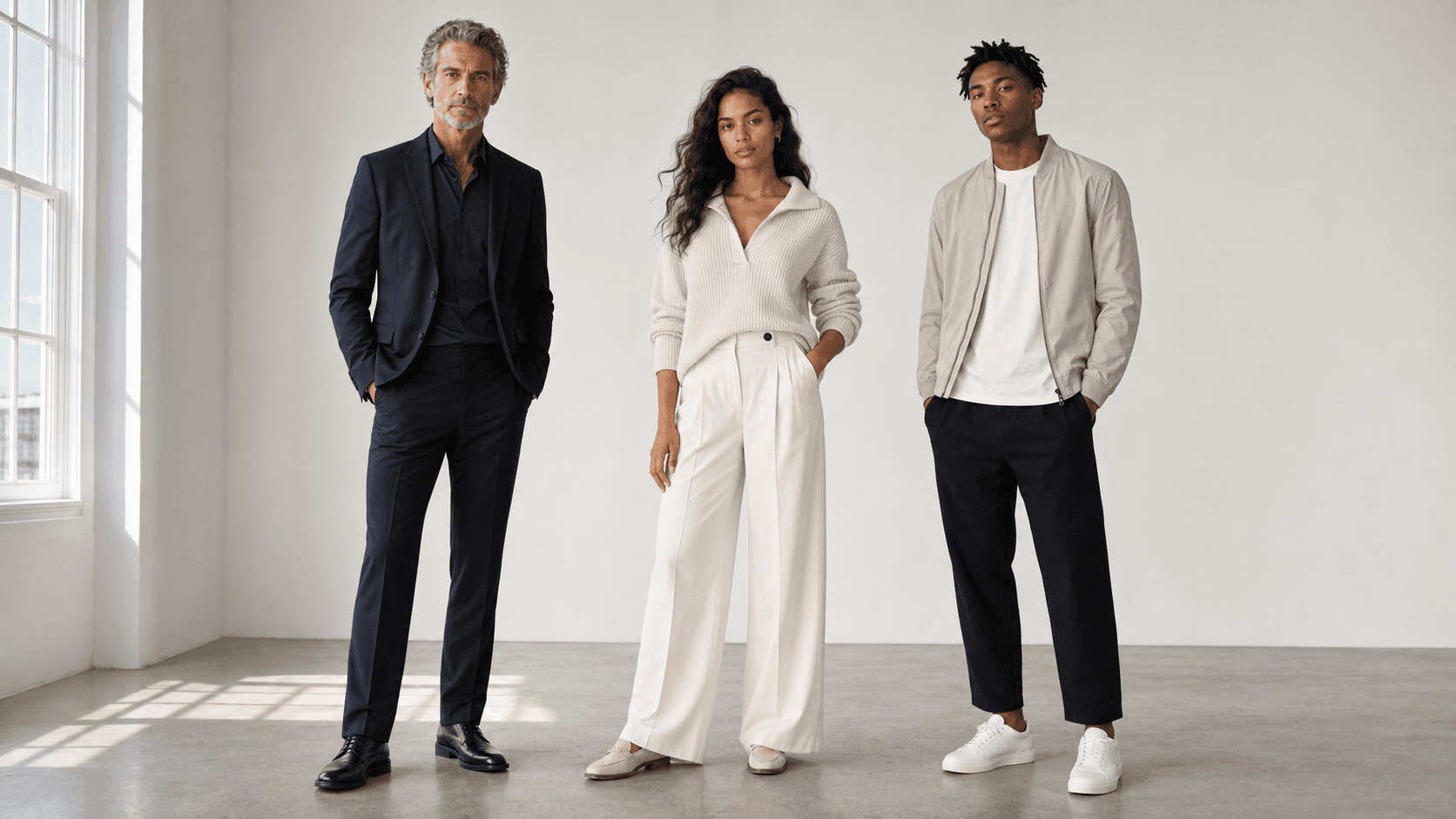
Best AI Fashion Model Generators for Clothing Brands (2026)
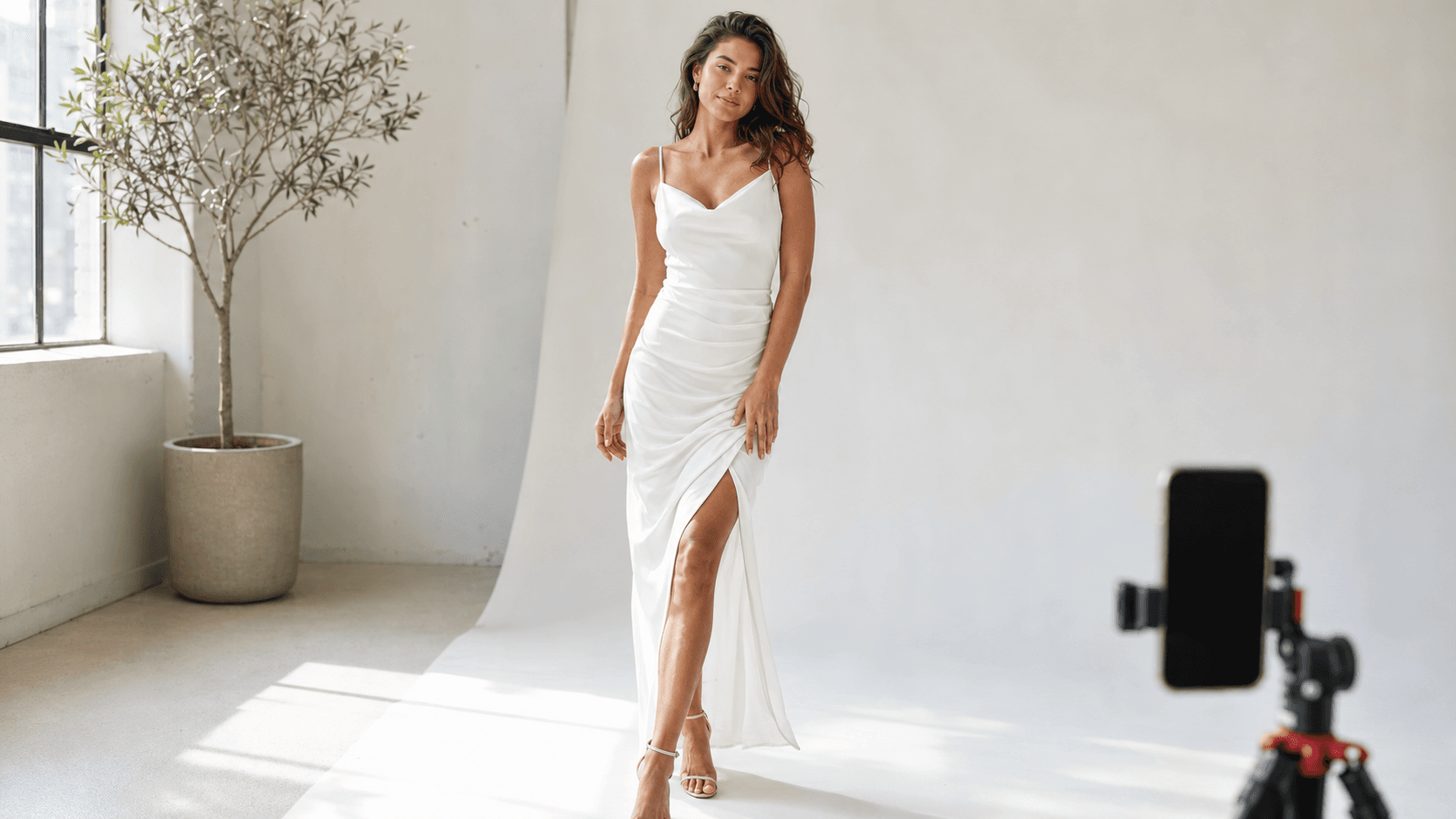
How to Get an AI Model Wearing Your Clothes (Step by Step)
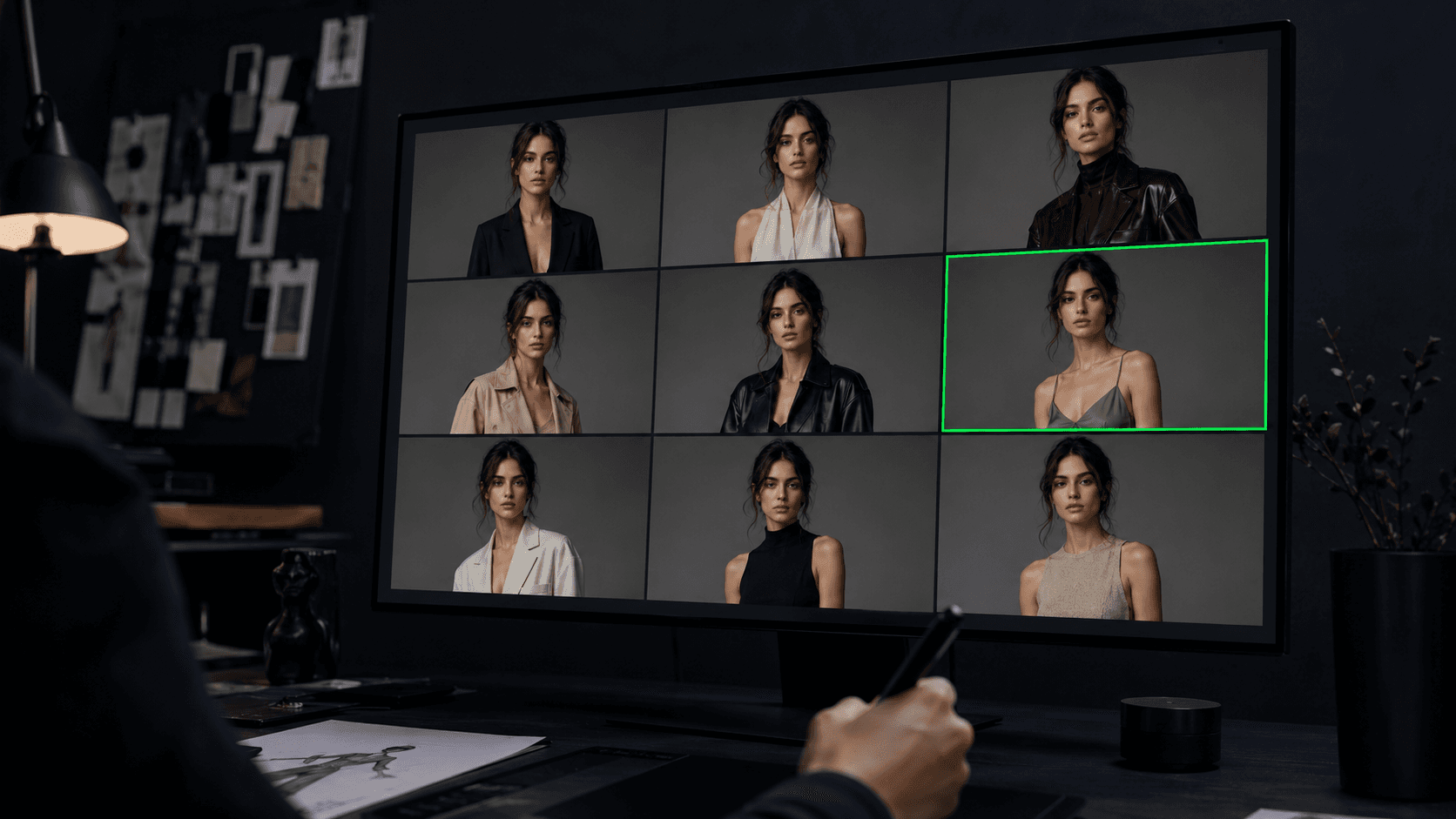
AI Fashion Prompts That Stay Consistent: The Working Formula (2026)