
HubSpot is a customer platform combining CRM, marketing, sales, and service tools into one interface. It helps businesses automate outreach and track pipelines, storing up to 15 million contacts. While the free tier is generous, pricing scales fast as your contact list grows.
What is HubSpot?
The most surprising thing about HubSpot is not its massive feature set, but how fast a free CRM can cost thousands of dollars a month. Many startups adopt it for the zero-cost entry point, only to face steep bills once their contact lists expand.
Developed by HubSpot, Inc., this customer platform solves the problem of disconnected sales and marketing data. It targets small to mid-sized businesses that need email marketing, pipeline tracking, and customer service tools in one place.
- Primary Use Case: Automating email marketing campaigns and tracking sales pipelines in a unified database.
- Ideal For: Growing marketing and sales teams who want an all-in-one platform over custom-built tech stacks.
- Pricing: Starts at $15/mo per seat (freemium). The free tier is real, but contact-based pricing scales fast.
Key Features and How HubSpot Works
AI Content and Automation
- Breeze AI: Generates blog posts and social media captions. The Business AI plan limits this to 3,000 AI interactions per month.
- Sales Automation: Sends automated email sequences to prospects. Professional plans cap this at 500 emails per user per day.
Database and Contact Management
- CRM Database: Stores contact and company records with custom properties. The system holds up to 15 million records.
- List Segmentation: Groups contacts based on behavior for targeted ads. Active lists update based on specific criteria.
Marketing and Service Channels
- Email Marketing: Sends bulk newsletters and promotional emails. The free tier limits sends to 2,000 emails per month with HubSpot branding.
- Service Hub: Manages customer support tickets in a shared inbox. It integrates with Slack and Microsoft Teams.
- Landing Page Builder: Creates web pages using a drag-and-drop editor. It includes 20 standard templates with mobile optimization.
HubSpot Pros and Cons
Pros
- Unified platform architecture keeps marketing and sales data together without third-party connectors.
- The free tier provides unlimited users and basic CRM functionality with zero upfront cost.
- An ecosystem of 1,500 integrations connects tools like Slack and Zoom to contact records.
- The user interface requires less employee training time compared to complex enterprise systems like Salesforce.
- HubSpot Academy offers 400 free courses and certifications to help users master the platform.
Cons
- Pricing scales based on contact list size, causing unexpected monthly bill increases.
- Advanced reporting and attribution features require high-cost Professional and Enterprise tiers.
- Technical support is unavailable for free users, forcing reliance on community forums.
- Customization for complex enterprise logic is more limited than developer-centric environments.
Who Should Use HubSpot?
- Bootstrapped Startups: The free CRM tier offers a legitimate way to organize initial customer data without spending money.
- Mid-Market Marketing Teams: Teams needing email automation, landing pages, and ad tracking in one place get high value from the Professional tier.
- Complex Enterprises (Not Recommended): Companies requiring deep custom logic and developer-centric environments should avoid HubSpot and look at Salesforce instead.
HubSpot Pricing and Plans
The free tier is a real, usable CRM, not just a trial. It includes basic AI data insights and limited Data Agent access. (The HubSpot branding on free emails is quite large).
Starter costs $15 per month per seat. It adds personalized outreach automation, basic contact scoring, and content suggestions.
Professional costs $100 per month per seat. This tier includes AI-powered forecasting, full Breeze access, and expanded customer insights.
Enterprise costs $150 per month per seat. It includes AI lead scoring, conversation intelligence, and custom prediction models.
Business AI (Breeze) costs $799 per month. This add-on provides 3,000 AI interactions and full Breeze suite access.
How HubSpot Compares to Alternatives
Similar to Salesforce, HubSpot offers a massive ecosystem for sales and marketing. Unlike Salesforce, HubSpot prioritizes ease of use over deep developer customization. Salesforce requires dedicated administrators to build custom objects, while HubSpot lets marketing managers build campaigns on day one. (I spent three days configuring Salesforce once; HubSpot took two hours).
This ease of use comes at a cost.
Zoho CRM competes with HubSpot on price. Zoho offers cheaper premium tiers and includes a wider suite of business apps like accounting. HubSpot provides a cleaner interface and better native marketing automation tools.
Pricing structure dictates the true value here.
The Verdict: Best for Mid-Sized Marketing Teams
If you need an all-in-one platform to align your sales and marketing teams, choose HubSpot. If you have a massive database of contacts but a low budget, look elsewhere. The contact-based pricing will drain your resources. For complex enterprise deployments requiring custom code, Salesforce remains the better option.
User Reviews
No reviews yet. Be the first to share your experience!
Sign in to write a review.
Related articles
Guides and articles related to HubSpot.
HubSpot Breeze vs Salesforce Agentforce (2026): RevOps AI Cost Reality
AI Agents for Business: What They Actually Are and 12 Things You Can Automate Today
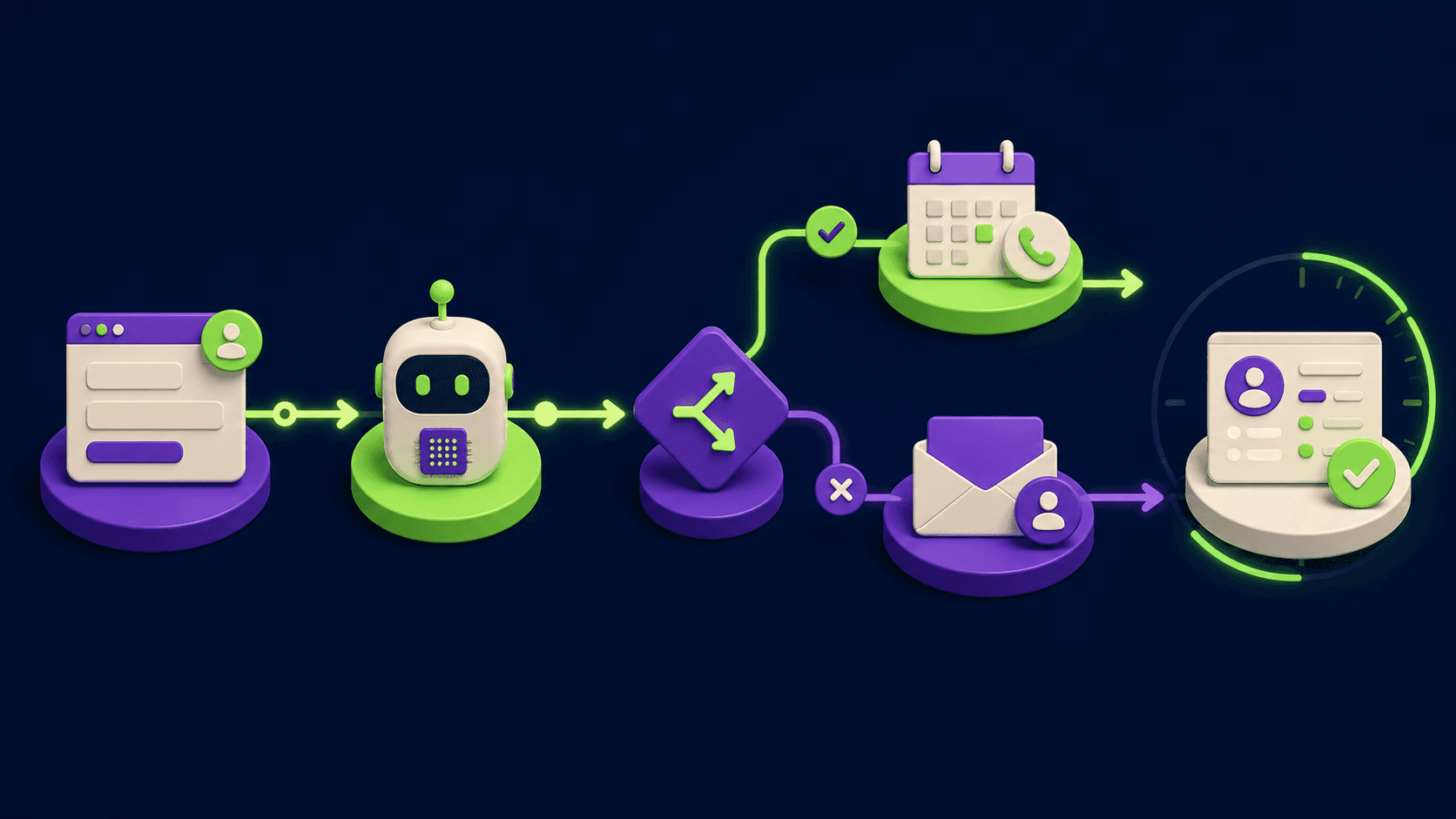
Lead Form to Qualified Call: The 5-Node Automation That Stops the Leak (2026)

Replace 6 SaaS Subscriptions With 4 n8n AI Agents (2026)

How to Build an AI Outbound Stack From Scratch: The Complete 2026 Playbook