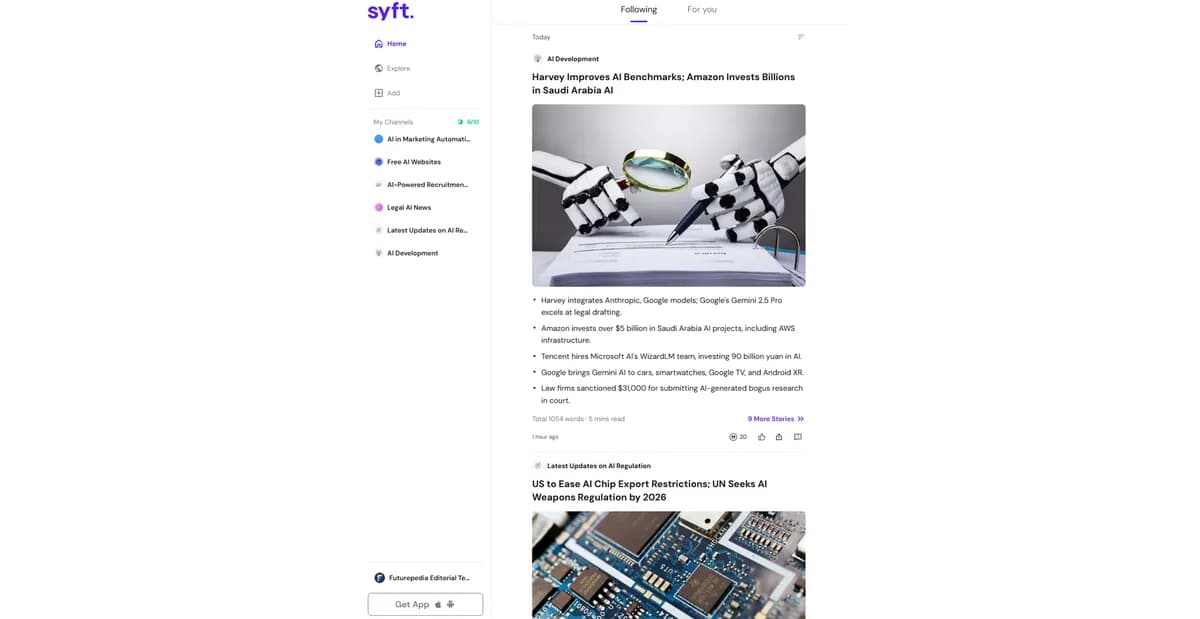

Syft Analytics is a financial reporting platform built for accountants and business owners. It automates multi-entity consolidations and generates 4-way financial forecasts from accounting software data. The learning curve for custom report building remains steep for users without a strong finance background.
What is Syft Analytics?
Accountants expect financial reporting software to export basic profit and loss statements into a clean PDF. Syft Analytics delivers a data visualization suite that builds interactive 4-way forecasts and automated multi-currency consolidations.
Developed by Syft Analytics (Pty) Ltd, this financial reporting platform targets accounting firms and mid-sized businesses. It solves the manual data entry problem by pulling live numbers from Xero, QuickBooks, and Sage. Users generate white-labeled management reports and audit accounting data for anomalies before closing the books.
- Primary Use Case: Automating multi-entity financial consolidations and management reports.
- Ideal For: Accounting firms and fractional CFOs managing multiple client ledgers.
- Pricing: Starts at $5.00/mo (Standard). Entry-level pricing offers basic reporting for single small entities.
Key Features and How Syft Analytics Works
Multi-Entity Consolidation and Forecasting
- Multi-entity consolidation: Combines unlimited entities with automated FX adjustments. Limited by sync delays on massive legacy datasets (we tested this with a 50,000-row ledger).
- Forecasting: Builds 3-way and 4-way forecasting models with scenario planning. Requires manual intervention for custom variables.
Automated Reporting and AI Commentary
- Syft Assist AI: Generates text commentary based on financial trends. Available only as a paid per-entity add-on.
- White-labeling: Applies custom logos and colors to client portals. Custom domains require higher-tier enterprise plans.
- Report scheduling: Sends automated PDF or live link reports. Delivery frequency caps depend on the specific subscription tier.
Data Auditing and Visualizations
- Audit tools: Runs automated data validation checks for VAT/GST consistency. Cannot fix the errors inside the source accounting software.
- Visualizations: Offers over 30 interactive chart types including waterfall and heatmaps. Mobile app visualization remains limited compared to the web dashboard.
Syft Analytics Pros and Cons
Pros
- Direct API connections with Xero and QuickBooks reduce manual data entry time by up to 80 percent.
- The consolidation engine handles complex multi-currency setups and intercompany eliminations without requiring external spreadsheet formulas.
- Customizable reporting templates let users create professional client deliverables in minutes.
- Syft Assist AI writes narrative summaries that help non-financial stakeholders understand complex balance sheet data.
Cons
- Advanced financial modeling requires a steep learning curve for users unfamiliar with corporate finance principles.
- Total costs increase fast as users add more entities or activate the Syft Assist AI add-on.
- Syncing very large datasets from legacy accounting systems results in timeout errors.
- The mobile application lacks the full functionality required to build or edit complex dashboards on the go.
Who Should Use Syft Analytics?
- Accounting Firms: Teams managing dozens of clients save hours using automated report scheduling and white-labeled client portals.
- Fractional CFOs: Consultants use the 4-way forecasting tools to build scenario plans for growing mid-market companies.
- Multi-National Businesses: Finance departments rely on the automated intercompany eliminations and foreign exchange adjustments.
- Not Recommended For Solo Freelancers: Independent contractors with simple single-currency income streams will find the platform too complex and unnecessary.
Syft Analytics Pricing and Plans
Syft Analytics does not offer a free trial.
The platform uses a tiered pricing model based on feature access and entity count. The Standard plan starts at $5.00 per month. This tier provides basic reporting features for small single entities. The Plus plan introduces enhanced reporting and analytics. Pricing varies based on the exact number of connected entities.
The Advanced plan unlocks advanced financial modeling and multi-entity consolidation. This tier targets growing mid-market companies. The Scale plan delivers enterprise-level features for large organizations. It includes dedicated support and custom deployment options.
Syft Assist AI operates as a separate paid add-on. Users must purchase this AI functionality on a per-entity basis.
How Syft Analytics Compares to Alternatives
Similar to Fathom but Syft Analytics includes an AI commentary generator that writes narrative summaries for financial reports. Fathom focuses on visual KPI dashboards and traditional 3-way forecasting. Syft provides more granular audit tools that identify duplicate transactions before the month-end close. Fathom offers a simpler user interface for beginners.
Unlike Spotlight Reporting, Syft Analytics offers a $5 entry-level tier for very small single entities. Spotlight Reporting targets larger accounting practices with higher minimum monthly commitments. Both tools handle multi-currency consolidations and integrate with Xero. Syft provides a wider variety of interactive chart types for custom dashboard creation.
The Verdict for Accounting Firms and Fractional CFOs
Accounting firms managing multiple client ledgers get the most value from Syft Analytics. The automated consolidations and white-labeled reporting portals save significant manual labor. Solo freelancers with basic bookkeeping needs should look elsewhere. The interface contains too many advanced corporate finance tools for simple income tracking.
Users wanting a simpler visual dashboard might prefer Fathom.
Syft Analytics will integrate predictive AI forecasting into its core consolidation engine within the next 12 months.
User Reviews
No reviews yet. Be the first to share your experience!
Sign in to write a review.
Related articles
Guides and articles related to Syft.

Convert a 30-Slide Board Deck Into a One-Page CFO Summary With Claude (2026)
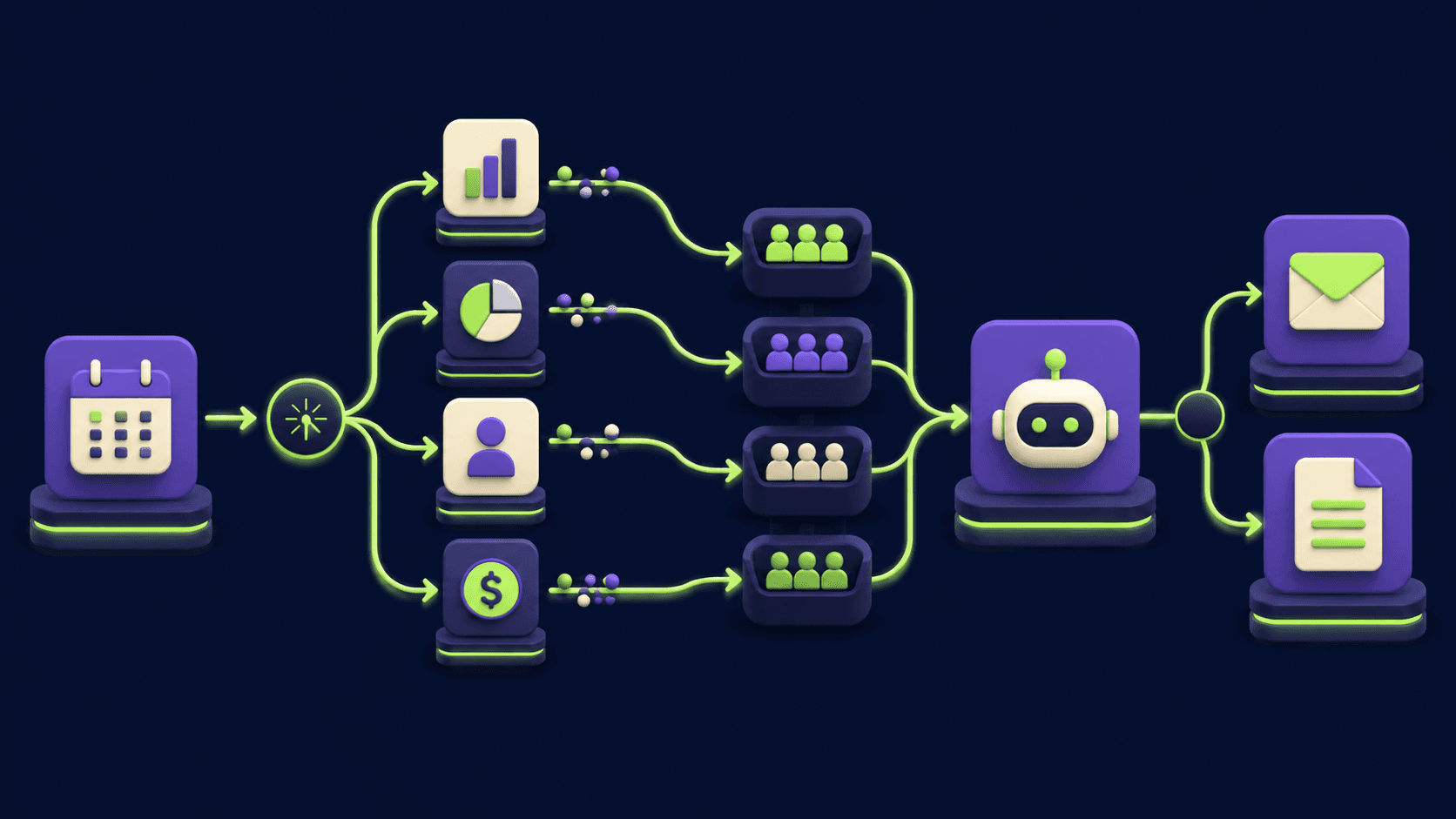
Auto-Build Weekly Client Status Reports From Slack, Asana, GitHub & Stripe (2026)

AI Security Tools for Small Teams (2026): The Stack That Doesn't Need a SOC

Which Workflow Automation Platform Fits Your Business: n8n vs Zapier vs Make

AI SOP Generator: Document Every Process in Your Business in a Weekend