

Whoop is a screenless wearable health tracker designed for athletes and data-driven users. It samples heart rate data at 100Hz to calculate precise daily recovery scores. The hardware requires an ongoing subscription to function, meaning the device becomes useless if you cancel your monthly payment.
What is Whoop?
The most frustrating aspect of testing Whoop is discovering the hardware becomes a useless plastic band the moment your subscription lapses. Yet, this screenless wearable captures heart rate data at 100Hz, providing recovery metrics that most smartwatches cannot match.
Whoop, Inc. built this health tracker and AI platform to monitor sleep, strain, and recovery. It targets athletes and health-conscious users who need precise biometric data to prevent overtraining. The platform uses heart rate variability to dictate daily exertion limits.
- Primary Use Case: Tracking daily recovery scores based on heart rate variability to optimize workout intensity.
- Ideal For: Data-driven athletes and fitness enthusiasts who want granular sleep and strain metrics.
- Pricing: Starts at $19.92 (paid) : The subscription model locks hardware functionality behind a paywall.
Key Features and How Whoop Works
Biometric Tracking Hardware
- Screenless Design: The device uses five LEDs and four photodiodes for continuous data collection. The lack of a display prevents quick time checks during workouts.
- Slide-on Battery Pack: Users charge the device while wearing it to prevent data gaps. The battery pack itself feels bulky under tight clothing (I found the battery pack quite bulky during sleep).
AI Coaching and Analytics
- WHOOP Coach: An AI assistant answers questions using your specific biometric data. The system struggles to interpret highly complex medical inquiries.
- Strain Coach: Recommends daily exertion targets based on morning recovery scores. These targets can feel restrictive on planned heavy training days.
- Sleep Coach: Calculates exact sleep needs and suggests wake-up times. The feature cannot force you to actually go to bed early.
Health and Habit Monitoring
- Health Monitor: Displays five key metrics including blood oxygen and resting heart rate. The dashboard requires a 14-day baseline period to calibrate accurately.
- WHOOP Journal: Tracks over 100 daily habits to find correlations with recovery. Users must perform tedious manual entry every single morning.
Whoop Pros and Cons
Pros
- High-frequency 100Hz data sampling provides more granular heart rate data than standard consumer smartwatches.
- The screenless design reduces distractions and prevents smartwatch fatigue during 24/7 wear.
- The proprietary Recovery metric serves as an industry standard for balancing training volume and rest.
- The slide-on battery pack ensures zero data gaps by allowing continuous wear during charging cycles.
Cons
- The device becomes completely non-functional if you cancel the monthly subscription payment.
- The lack of built-in GPS forces runners to carry a smartphone for real-time pace tracking.
- Wrist-based heart rate accuracy drops significantly during high-intensity interval training.
- Customer support response times receive frequent criticism in user forums like Reddit and Trustpilot.
Who Should Use Whoop?
- Data-driven athletes: Users training for marathons or triathlons benefit from precise strain and recovery metrics to avoid overtraining.
- Corporate professionals: High-stress workers can use the real-time stress monitor and breathwork interventions to manage daily anxiety.
- Casual gym-goers (Not Recommended): Beginners exercising twice a week will find the $239 annual cost difficult to justify for basic tracking.
Whoop Pricing and Plans
Whoop operates entirely on a subscription model, offering no permanent hardware purchase option. The free trial is essentially a one-month test drive that requires a credit card upfront.
- WHOOP Peak: Costs $19.92 per month billed annually at $239. Includes the WHOOP 5.0 device, healthspan tracking, and real-time stress monitoring.
- WHOOP Life: Costs $29.92 per month billed annually at $359. Includes the WHOOP MG device, daily blood pressure insights, and AFib detection.
- WHOOP One: Ranges from $149 to $199 per month. Includes the WHOOP 4.0 device, personalized coaching, and VO2 Max tracking.
- Enterprise: Custom pricing for sports teams and corporate wellness programs.
How Whoop Compares to Alternatives
Oura Ring shares Whoop’s focus on sleep and recovery metrics. Oura Ring uses a jewelry form factor, while Whoop relies on a fabric wristband that stays secure during heavy weightlifting. Oura charges a $5.99 monthly fee but requires a $299 upfront hardware purchase.
Garmin Connect offers a completely different financial model.
Garmin users buy a watch once for $200 to $1000 and pay zero monthly subscription fees. Garmin devices include built-in GPS and screens, making them better suited for runners who want real-time pace data without carrying a phone.
The Final Verdict for Data-Obsessed Athletes
Whoop delivers unmatched recovery insights for users willing to pay a continuous premium. The 100Hz sampling rate captures heart rate variability with clinical precision.
However, the subscription lock-in remains a massive friction point.
Casual users should look elsewhere. If you just want to track steps and basic sleep stages, a standard Apple Watch provides better value without the recurring tax. The honest limit of Whoop is its wrist-based optical sensor, which still struggles to track rapid heart rate spikes during heavy barbell squats (you will likely need a bicep band for kettlebell workouts).
User Reviews
No reviews yet. Be the first to share your experience!
Sign in to write a review.
Related articles
Guides and articles related to Whoop.

The Personal AI Productivity Stack (2026): One Tool Per Job, Nothing Extra

Replit Pricing Explained (2026): Core vs Pro and Effort-Based Agent Billing
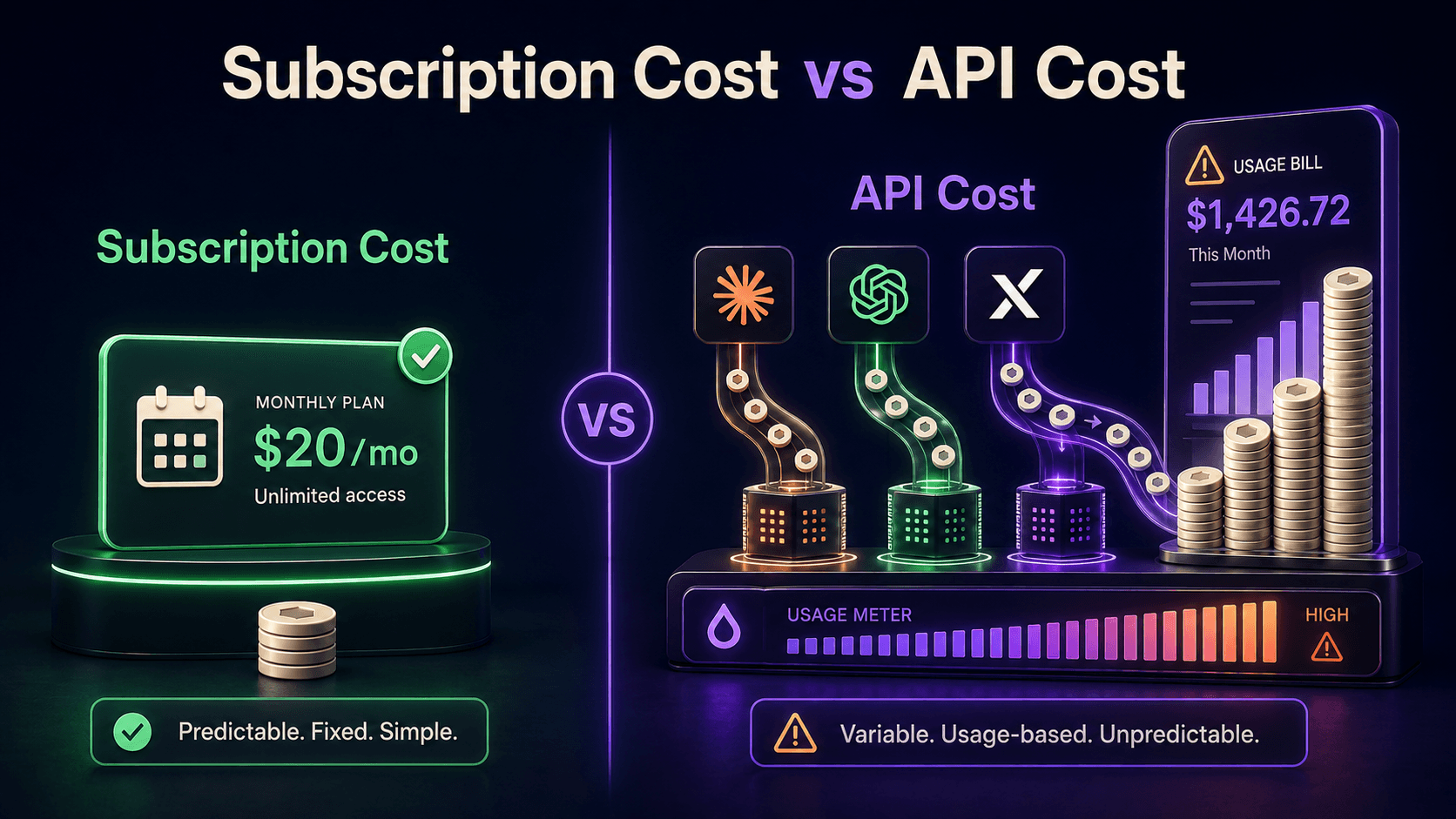
Does API Cost More Than a Subscription for Claude Opus 4.8, GPT-5.5, and Grok?

Grok 4.3 API for Agents (May 2026): Pricing, Benchmarks, Migration

Undetectable AI Review (2026): What It Does, What It Costs, and 7 Alternatives