MCP Is Now Under the Linux Foundation: What Changes for Your Servers (2026)
MCP Is Now Under the Linux Foundation: What Changes for Your Servers (2026)
The Model Context Protocol crossed roughly 97M monthly installs and 10,000+ public servers by Q1 2026, then the Linux Foundation announced it would take Anthropic's MCP under open governance. If you run or build MCP servers, the practical question is not who owns the logo. It is whether the spec you wired your tools against will stay stable, stay vendor-neutral, and stay safe to depend on for years. This article explains what the governance change is, what it does not change, and the concrete decisions it affects for your servers. The short version is in the TL;DR below.
TL;DR
MCP hit ~97M monthly installs and 10,000+ public servers by Q1 2026.
The Linux Foundation now governs MCP under open, neutral stewardship.
Open governance signals spec stability, not a rewrite or migration.
No vendor controls MCP's direction; every major AI tool ships it.
Your existing servers keep working. The change is durability, not breakage.
, Founder, Vantaige · Published 2026-05-19 · 12 min read · Last reviewed 2026-05-19
What does it mean that MCP moved to the Linux Foundation?
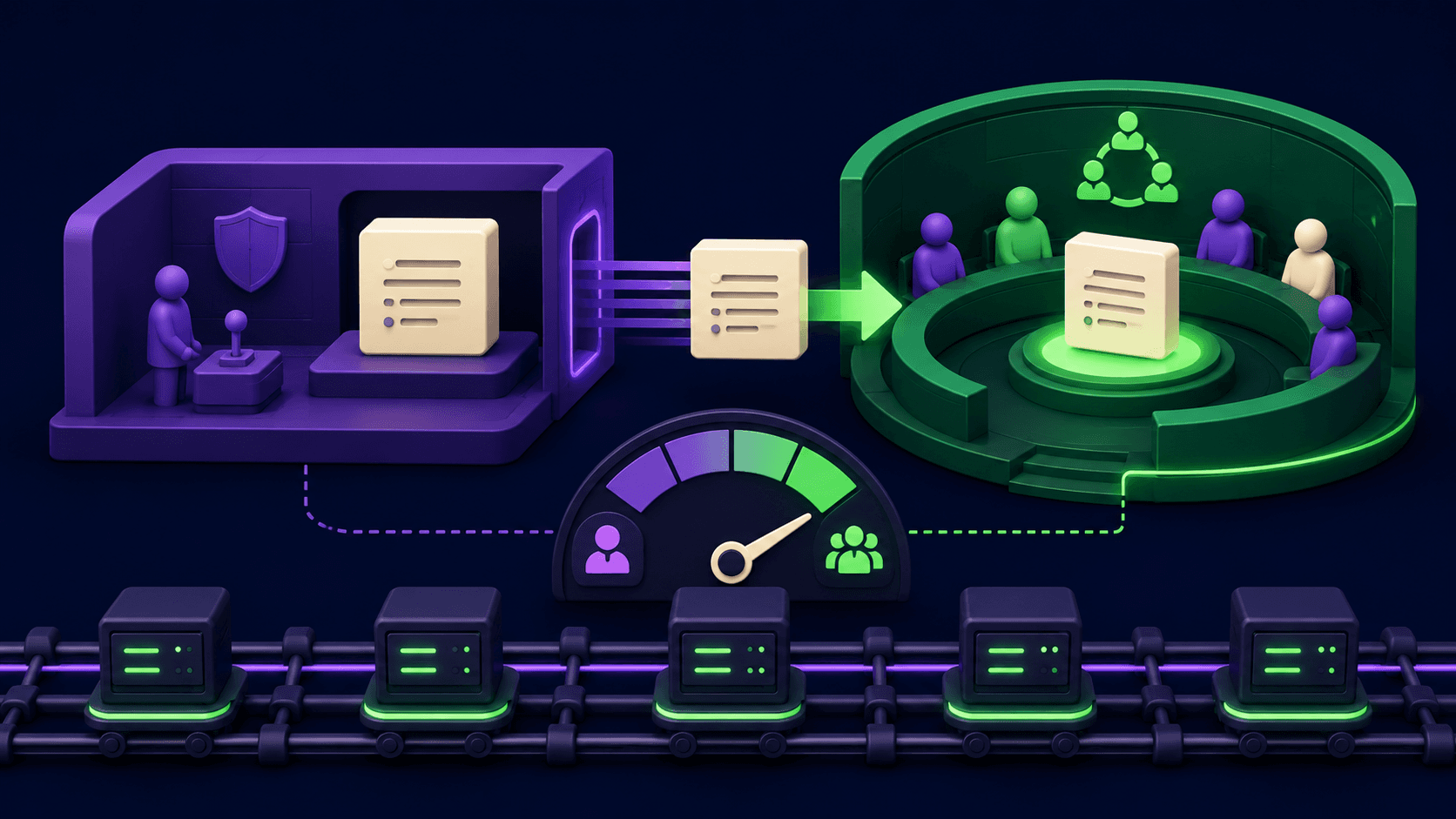
MCP moving to the Linux Foundation means the Model Context Protocol is now stewarded by a vendor-neutral nonprofit instead of being controlled solely by the company that created it. The Linux Foundation announced it would take Anthropic's MCP under open governance, so the specification's direction is set through a shared process rather than one vendor's roadmap.
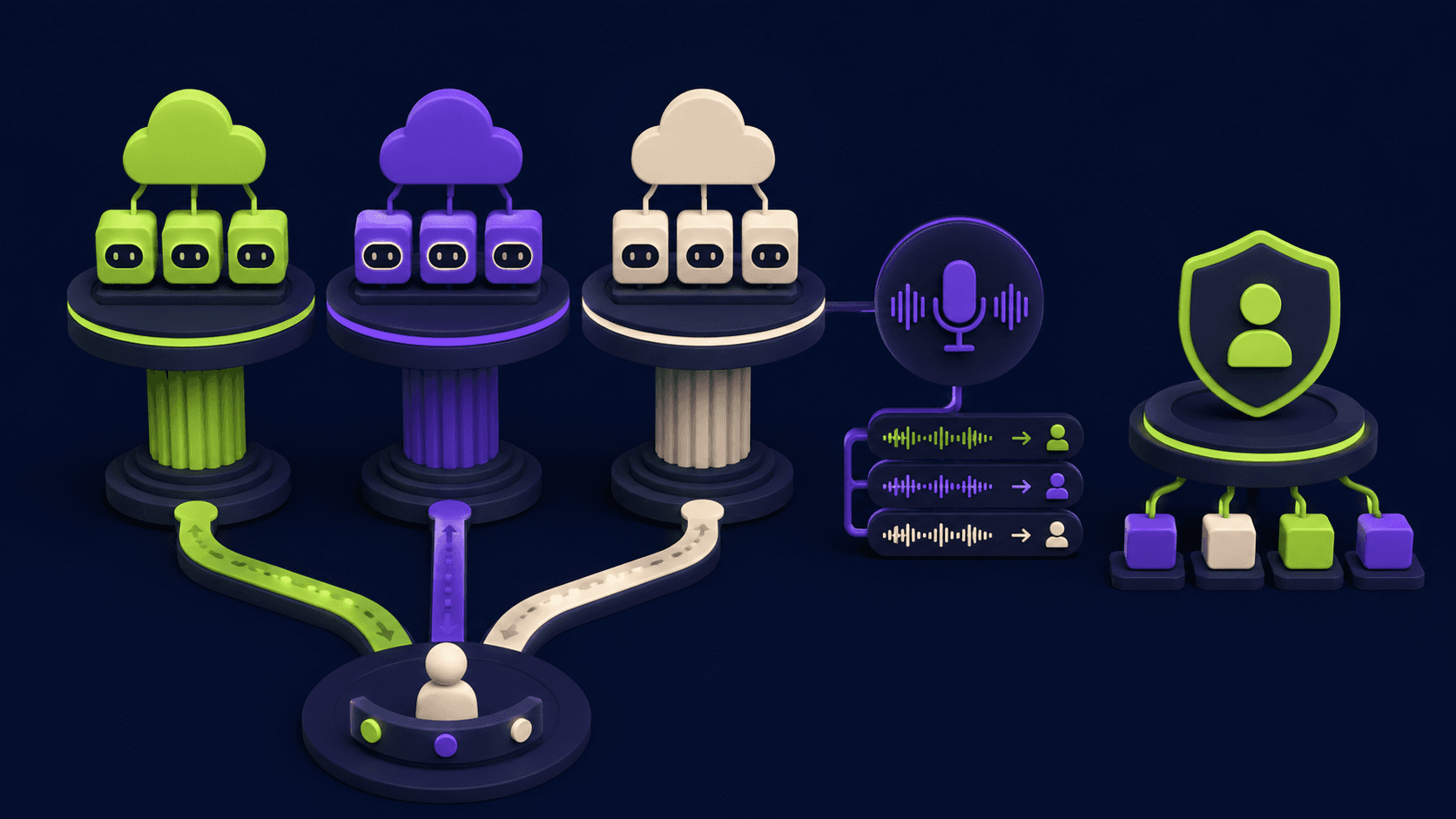
The Model Context Protocol is the open standard that lets an AI model talk to external tools, data, and systems through a uniform interface. It originated at Anthropic and was published openly at modelcontextprotocol.io. Open governance under the Linux Foundation is the same lifecycle path many widely-adopted standards take once they outgrow a single owner: the protocol stops being a one-company project and becomes shared infrastructure with neutral stewardship.
For you, the headline is continuity, not disruption. The protocol you already build against is the protocol that continues. The governance move is about who decides where it goes next, and the answer is now a neutral process rather than a single vendor. The rest of this article translates that into the specific things it changes, and the specific things it does not.
Why did MCP need open governance at 97M installs?
MCP needed open governance because at roughly 97M monthly installs and 10,000+ public servers by Q1 2026, the protocol had become shared infrastructure that many vendors and thousands of builders depend on. A standard that large carries an expectation that no single company can unilaterally redirect it, and neutral stewardship is how that expectation is met.
Scale changes what a protocol is. At a few hundred servers, MCP was a useful Anthropic project. At 10,000+ public servers and tens of millions of monthly installs, it is the connective layer under a large slice of the AI tooling ecosystem. Every major AI provider ships MCP-compatible tooling. Claude Code is MCP-native, and Cursor and Codex support MCP. When that many independent parties build on one interface, the interface itself becomes a public good, and public goods are usually governed in the open rather than by one owner.
This is the normal maturity arc for an interface that wins. The same pattern recurs across infrastructure standards: a single team ships something useful, adoption outruns the team, and governance moves to a neutral body so the standard can outlive any one company's priorities. The Linux Foundation announcement is MCP reaching that point. The number that forced it is the adoption number: 97M monthly installs is not a project, it is a dependency.
What changes for your MCP servers after the governance move?
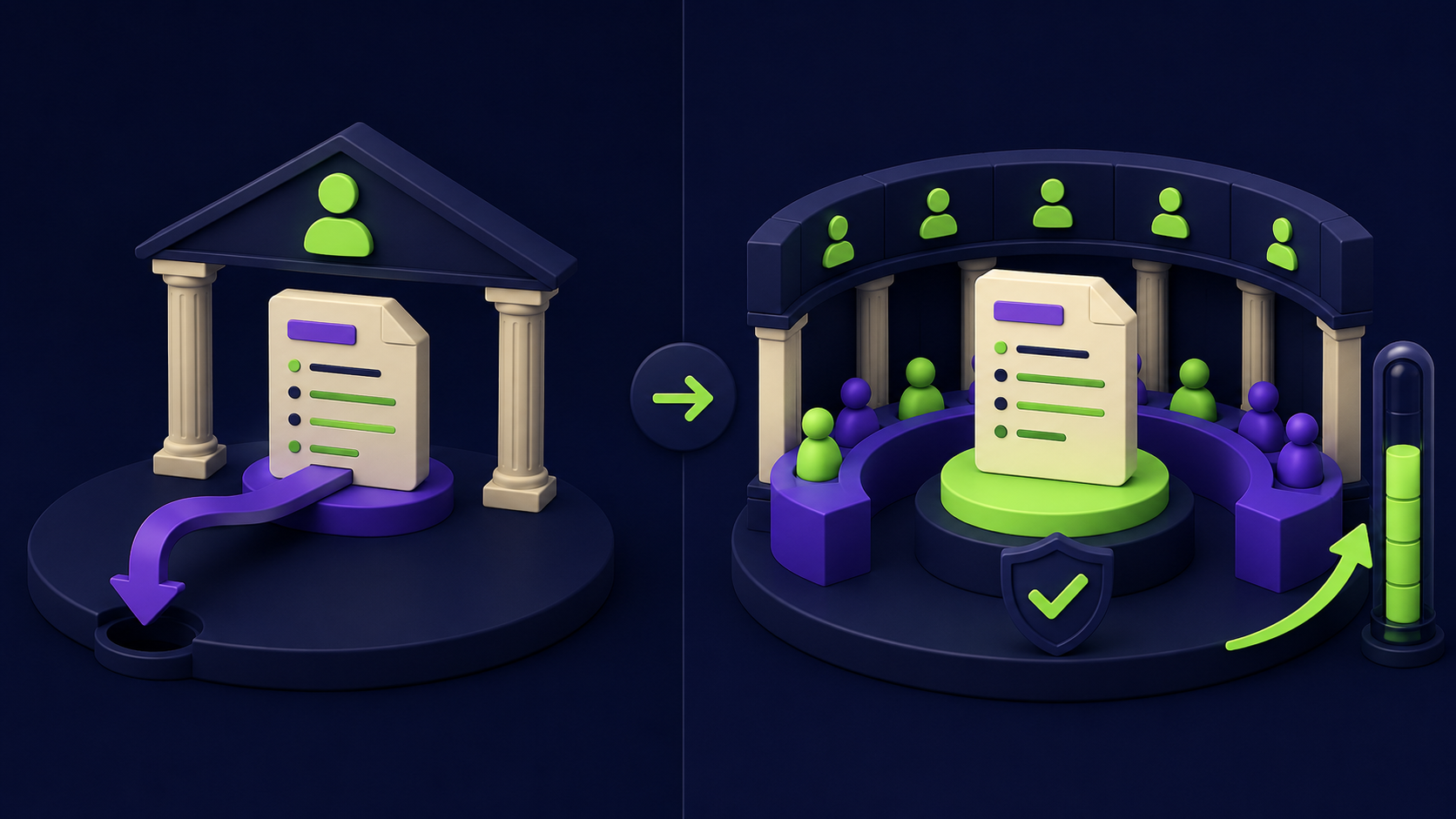
For your MCP servers, almost nothing changes operationally and the meaningful change is about durability. Your servers keep running, the transports keep working, and there is no forced migration. What improves is the confidence that the spec will not be redirected by one vendor's commercial interest, which is what makes multi-year investment in MCP servers defensible.
Here is the practical before and after. Read it as a decision aid: the left column is the situation while MCP was a single-vendor project, the middle is after open governance, and the right is why that difference matters when you are the one running the servers.
Before open governance | After open governance | Why it matters to you |
|---|---|---|
Spec direction set by one company's roadmap and priorities | Spec direction set through a neutral, multi-party governance process | You can plan multi-year server work without betting on one vendor's strategy staying aligned with yours |
Breaking-change risk tied to a single company's product decisions | Change process accountable to a broad set of implementers and users | Lower odds of a surprise breaking change driven by one vendor's commercial pivot |
"Is this neutral?" was an open question for competing vendors | Vendor-neutral stewardship is the explicit governance model | Building on MCP no longer means aligning with one AI provider's ecosystem |
Long-term continuity depended on one company's continued interest | Continuity tied to a foundation built to outlive any single member | Your servers and integrations have a credible long-horizon home |
Contribution path was effectively through one vendor | Open contribution and process through the foundation | If you maintain a server or need a spec change, there is a neutral path to propose it |
Notice every "after" row is about stability and neutrality, not about new features you must adopt. That is the correct mental model: this is a governance change, so it is felt in risk and longevity, not in your codebase. Your stdio and HTTP transports, your tool definitions, and your existing client connections are untouched.
Do you need to migrate or update existing MCP servers?
No. You do not need to migrate, rewrite, or re-register existing MCP servers because of the governance change. A move to open governance is an organizational and stewardship change, not a protocol rewrite. The specification, the transports, and the tool interface your servers already implement remain the same after the move as before it.
This is the single most common misread of news like this, so it is worth stating plainly. "MCP moved to the Linux Foundation" is not "MCP 2.0 shipped" and it is not "the old spec is deprecated." Governance changes answer the question of who decides future direction. They do not, by themselves, change the wire format, the JSON-RPC messages, or the way a client discovers your tools.
What you should do is unrelated to governance and is just good practice you should already follow: pin your spec version, track the official changelog at the spec site, and test before adopting any new spec revision when one ships through the normal process. If you want a clean reference for what a correct, current server looks like end to end, our n8n MCP plus Claude Code setup guide walks a working connection without any vendor lock-in assumptions. The governance news does not invalidate a single step in it.
Is MCP safe to build on long-term now?
MCP is safer to build on long-term after the governance move than before it, because vendor-neutral stewardship reduces the two risks that kill long-term bets on a protocol: a single owner redirecting it commercially, or a single owner losing interest in it. Open governance does not guarantee permanence, but it removes single-vendor capture as a failure mode.
Think about what actually makes a protocol risky to depend on for years. It is rarely the technical design. It is the governance: will the people who control the spec keep it aligned with users, and will it still be maintained if its original sponsor's priorities change. Before the move, both questions had a single-company answer. After the move, the answer is a neutral process designed to outlast any one member, which is exactly the property you want when you are investing engineering time into servers you expect to run for years.
This is also why the adoption numbers and the governance change reinforce each other. Roughly 97M monthly installs and 10,000+ public servers by Q1 2026 mean MCP has the network effect that makes a standard hard to displace. Open governance means that network effect is now anchored to a neutral body rather than a single firm. Together that is a stronger long-term foundation than either signal alone. The same compounding logic shows up in tooling that standardized on MCP early, which our Claude Code subagents context patterns piece touches on when it scopes tool access through the same protocol surface.
How does open governance affect MCP server security?
Open governance affects MCP server security indirectly but in your favor. It does not change a single security control on your server, but it makes the security model itself a shared, durable concern owned by a neutral body rather than a moving target tied to one vendor's release cadence. Your own hardening work stays exactly as necessary as it was.
It is important not to overclaim here. Moving MCP to the Linux Foundation does not patch your over-broad tools, it does not authenticate your transport, and it does not stop prompt injection through tool outputs. Those are still your responsibility on every server you run, and the failure classes are unchanged. If you have not done a hardening pass, our MCP server security checklist walks the eight recurring weakness classes and the exact fix for each, and none of that work is affected by the governance change.
What governance does help is the longevity of the security guidance itself. Security best practices in a spec are only as durable as the body that maintains them. A neutral steward gives the protocol's security guidance a stable, multi-party home, which makes it more likely the guidance keeps pace with real attacks instead of one vendor's schedule. One concrete operational item is unchanged: a server that writes diagnostic text to stdout still corrupts the JSON-RPC channel and breaks tool discovery, the exact failure and one-line fix we documented in the MCP server stdout corruption guide. Governance changed; that bug did not.
What should you actually do after this announcement?
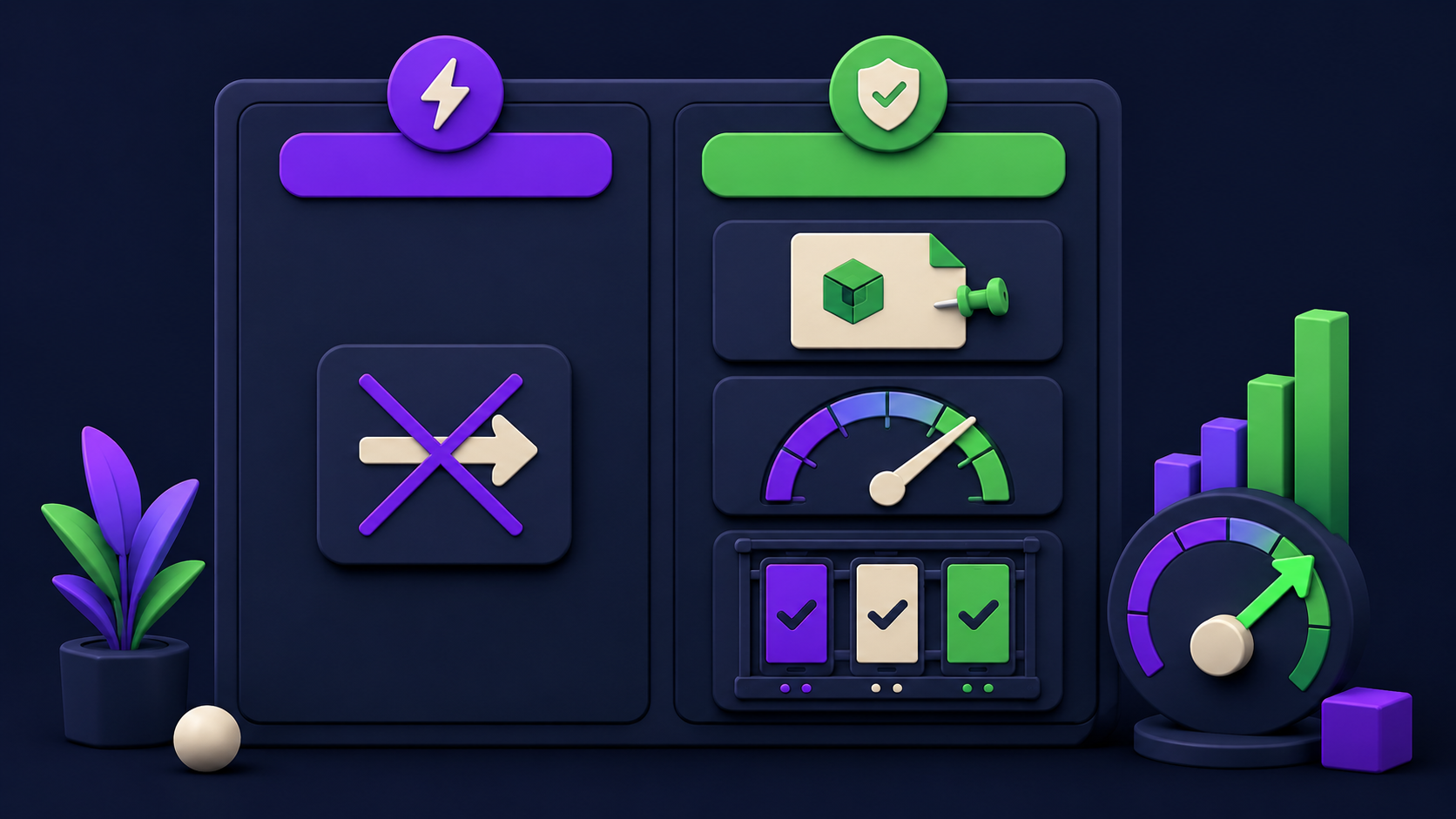
After this announcement you should do almost nothing reactive and a few things proactive. The reactive list is empty: no migration, no re-registration, no emergency update. The proactive list is the standard hygiene you should already run, plus updating how you reason about MCP's long-term risk in your own planning.
Do not migrate anything in response to the news. Governance changes are not protocol changes. Treat any "you must move because of the Linux Foundation" claim as wrong and verify against the official spec site.
Pin your spec version and track the official changelog. This is correct regardless of governance. Adopt new spec revisions deliberately, after testing, when they ship through the normal process at modelcontextprotocol.io.
Re-rate MCP's long-term risk upward in your planning. If single-vendor capture was a reason you hesitated to invest in MCP servers, neutral governance removes that specific objection. Multi-year server work is now easier to justify.
Keep your security work exactly as it was. The governance move changes none of your hardening obligations. Run the security checklist on every server as before.
Use the neutral contribution path if you maintain a server. If you need a spec clarification or change, open governance means there is a neutral process to propose it rather than routing through one vendor.
The summary of the action list is that the right response to a governance maturation is mostly to keep doing the correct thing and to update one belief: MCP is now a safer long-term bet, for a structural reason, not a marketing one.
Common mistakes reading the MCP governance news
Most mistakes here come from treating an organizational change as a technical one. The governance move is real and significant, but it lands in the risk and longevity column, not the codebase column. Here are the recurring misreads.
Assuming a forced migration. "MCP moved to the Linux Foundation" is not "the old spec is deprecated." There is no migration triggered by a governance change. Verify any migration claim against the official spec.
Reading it as a new version. Open governance is about who decides direction, not a version bump. Do not invent a "MCP 2.0" that the announcement did not describe.
Believing security got handled for you. The move does not patch over-broad tools, open stdio, or injection paths. Your hardening work is unchanged and still required.
Concluding a vendor still controls it. The explicit model is vendor-neutral stewardship. Building on MCP no longer means aligning with one AI provider's ecosystem.
Over-rotating and rebuilding. Some teams hear "governance change" and start a needless refactor. The correct response to a stability improvement is usually to keep building, not to rebuild.
Ignoring it entirely. The opposite error. The neutrality and longevity signal is a real input to whether multi-year MCP investment is defensible. Update that belief even though no code changes.
FAQ
Is the Model Context Protocol now open source and vendor-neutral?
MCP was published as an open standard from the start, and the governance move makes its stewardship explicitly vendor-neutral. The Linux Foundation announced it would take Anthropic's MCP under open governance, which means the specification's future direction is decided through a neutral, multi-party process rather than by the single company that created it. The protocol itself, its transports, and its tool interface are unchanged by this. What changed is who controls where it goes next, and the answer is now a neutral body rather than one vendor.
Do I have to update my MCP servers because of the Linux Foundation move?
No. A governance change is an organizational change, not a protocol rewrite. Your existing servers, their stdio or HTTP transports, and your tool definitions all continue to work exactly as before. There is no migration, no re-registration, and no emergency update triggered by the announcement. The only updates you should make are the ones you should already be doing regardless: pinning your spec version and adopting new spec revisions deliberately after testing when they ship through the normal process.
Why does MCP being under open governance matter if it already worked?
It matters because it changes the long-term risk profile, not the day-one behavior. Before the move, depending on MCP for years meant betting that one company would keep the spec aligned with users and keep maintaining it. Neutral stewardship removes single-vendor capture and single-vendor abandonment as failure modes. With roughly 97M monthly installs and 10,000+ public servers by Q1 2026, MCP already had the network effect. Open governance anchors that network effect to a body designed to outlast any single member.
Does the governance change affect MCP server security?
Not directly. It does not change a single control on your server. Over-broad tools, unauthenticated stdio, prompt injection through tool outputs, and plaintext secrets are all still your responsibility, and the failure classes are unchanged. What governance helps is the durability of the protocol's own security guidance: a neutral steward gives that guidance a stable, multi-party home rather than tying it to one vendor's release cadence. Run a full hardening pass on every server exactly as you would have before.
Will MCP get breaking changes more or less often under the Linux Foundation?
Open governance does not promise zero breaking changes, but it changes who is accountable for them. Under single-vendor control, a breaking change could be driven by one company's commercial decision. Under neutral governance, the change process answers to a broad set of implementers and users, which lowers the odds of a surprise break driven by one vendor's pivot. The practical defense is the same either way: pin your spec version, track the official changelog, and test before adopting any new revision.
Should I still build new things on MCP in 2026?
Yes, and the case is stronger after the governance move than before it. Every major AI provider ships MCP-compatible tooling, Claude Code is MCP-native, and Cursor and Codex support MCP, so the interoperability payoff is large. The governance change removes the main long-term objection, single-vendor capture, by putting the spec under neutral stewardship. Combined with the adoption scale, that makes multi-year MCP server investment easier to defend, not harder. Build, pin your version, and harden every server as usual.
Where can I verify the MCP governance announcement myself?
Check the official Linux Foundation announcement and the Model Context Protocol site directly rather than relying on secondhand summaries. The protocol's canonical home is modelcontextprotocol.io, which carries the specification and changelog, and the Linux Foundation publishes governance announcements through its newsroom. Always confirm specific governance details at the source before acting on them, because reactive claims about forced migrations or version changes are common and usually wrong.
Related from Vantaige
n8n MCP + Claude Code Setup Guide (2026). A working MCP connection end to end, unaffected by the governance change.
The MCP Server Security Checklist (2026). The eight weakness classes and the exact fix for each, still entirely your responsibility.
Fix: MCP Server Stdout Corruption (Claude Shows No Tools). The stdio channel bug that governance did not change.
Claude Code Subagents That Save Context: 3 Patterns. Scoping tool access through the same MCP surface you build on.
References
Model Context Protocol, official site, specification, and changelog. https://modelcontextprotocol.io
Model Context Protocol, specification including transports and security best practices. https://modelcontextprotocol.io/specification
Linux Foundation, newsroom and governance announcements. https://www.linuxfoundation.org/press
Anthropic, Model Context Protocol announcement and background. https://www.anthropic.com/news/model-context-protocol
Linux Foundation, what open governance means for hosted projects. https://www.linuxfoundation.org/about
Get the best new AI tools and guides, weekly
One short email a week. The tools worth trying, the guides worth reading, nothing else.
No spam. Unsubscribe anytime.
Aymen B
Contributing writer at Vantaige, covering the AI tools ecosystem.