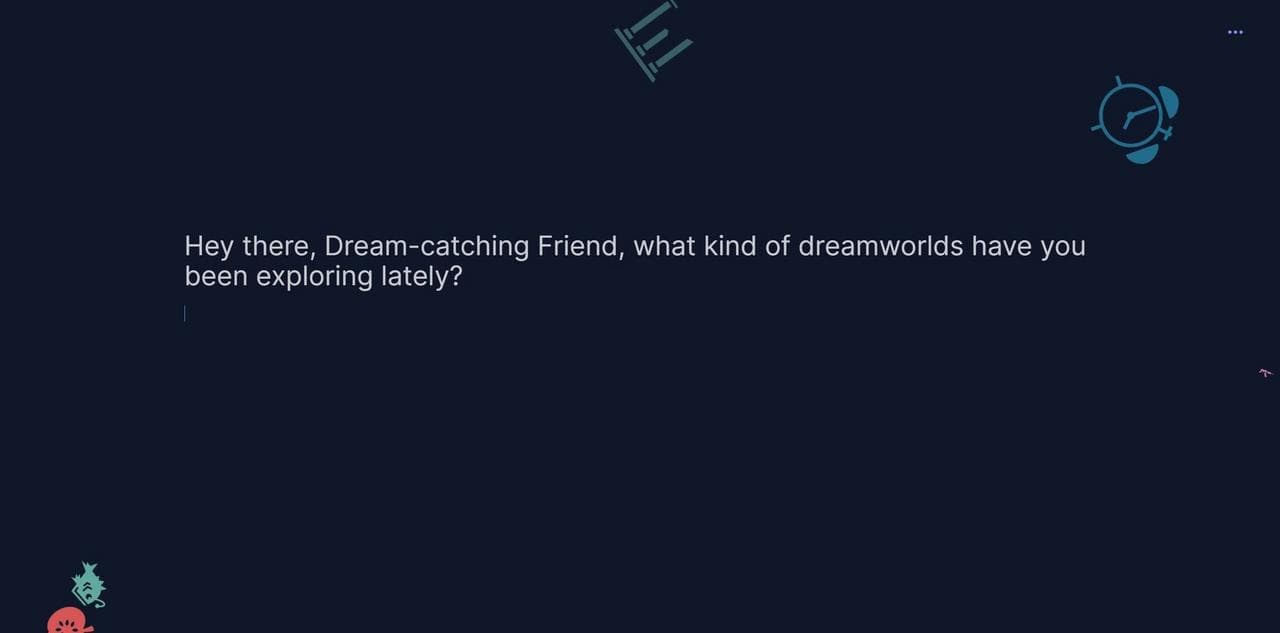

Dream Decoder is an AI self-improvement chatbot that analyzes personal dream narratives for recurring themes. It offers a free tier with text limits.
What is Dream Decoder?
People usually expect dream analysis tools to read like cheap horoscopes. You enter a bizarre dream about falling, and you get a generic paragraph about stress. The difference here: Dream Decoder acts like a strict data processor. It looks at your nightly entries and maps them against established psychological archetypes to find actual patterns.
Developed by the team at Dream Decoder, this AI chatbot and self-improvement platform functions entirely in your browser. It solves the problem of manual dream journaling by automatically tagging symbols and tracking emotional shifts. The primary audience includes individuals seeking practical mental clarity and an organized record of their subconscious activity.
- Primary Use Case: Tracking recurring symbols and emotional themes across multiple dream entries.
- Ideal For: Busy professionals who want quick psychological context without spending hours researching symbols.
- Pricing: Starts at $0 (custom pricing for higher tiers). Basic access is free but gated behind undisclosed limits.
Key Features and How Dream Decoder Works
Automated Journaling and Storage
- Unlimited Text Entries: You can store an unlimited number of dreams in the database. The system automatically stamps each entry with the current date and time.
- High Character Limit: Each individual entry accepts up to 5,000 characters. This allows you to document long, complex sequences without hitting a text wall.
AI-Driven Analysis
- Instant Interpretation: The AI generates three to five paragraphs of analysis for each entry. It attempts to connect random elements to broader Jungian concepts.
- Interactive Chat: You can ask specific follow-up questions about individual dream elements. If a particular symbol confuses you, the chatbot provides alternative readings.
Pattern Recognition
- Symbol Tracking: Think of it as an automated sorting facility for your subconscious. The tool tags recurring objects or people and groups them into identifiable trends over time.
- Sentiment Analysis: The system reads your text and detects primary emotions like anxiety or joy. It displays these emotional triggers alongside the written interpretation.
Dream Decoder Pros and Cons
Pros
- Provides immediate interpretations without requiring manual symbol research.
- Tracks recurring symbols across different entries to highlight long-term trends automatically.
- Requires zero technical setup because the chat interface works exactly like a standard messaging app.
- Functions properly on iOS and Android web browsers without asking you to install anything.
Cons
- Interpretations frequently feel generic or formulaic after a few weeks of daily use.
- Storing intimate thoughts on a remote AI server creates valid privacy concerns.
- Functions strictly as a self-reflection tool and offers zero clinical depth for serious mental health issues.
Who Should Use Dream Decoder?
- Stressed Business Owners: Perfect for high-achievers who wake up anxious and want a fast way to process those feelings before starting the workday.
- Curious Self-Improvers: A solid fit for individuals who want an organized, searchable database of their nightly thoughts.
- Therapy Seekers (Who Should Avoid): Do not use this tool if you need serious mental health support. The AI lacks clinical depth and will only offer surface-level observations.
Dream Decoder Pricing and Plans
The developer keeps the pricing structure vague on the main site. You can start using the chat interface for $0. The free tier works well enough to test the basic interpretation features. Even so, heavy users will likely hit an internal request limit. The website directs users to contact sales for premium plans or increased limits. The real issue: you never quite know when you might hit a paywall while logging a morning entry (which ruins the daily reflection habit).
How Dream Decoder Compares to Alternatives
Dreamer offers a similar AI interpretation model. The short version: Dreamer focuses heavily on community sharing and social features. Dream Decoder keeps the experience entirely private and focuses strictly on personal chat interactions.
Oniri presents a much stronger alternative for mobile users. Oniri provides a dedicated iOS and Android app with lucid dreaming guides. Compare that to Dream Decoder, which relies entirely on a mobile-optimized web browser. Oniri does a better job of teaching you how to control your dreams, but it charges a strict monthly fee for its premium features.
A Practical Journaling Tool for Busy Professionals
Dream Decoder works best for individuals who want an organized, searchable record of their dreams. It categorizes symbols quickly and provides a decent starting point for morning reflection. You save time by skipping manual research. That said, the novelty wears off quickly. The AI relies heavily on repetitive Jungian tropes. If you need genuine psychological help, you should skip AI chatbots entirely and speak with a licensed therapist.
User Reviews
No reviews yet. Be the first to share your experience!
Sign in to write a review.
Related articles
Guides and articles related to Dream Decoder.

The Personal AI Productivity Stack (2026): One Tool Per Job, Nothing Extra

Claude Code Dreaming (Memory Consolidation): 2026 Setup Guide
AI User Testing in 2026: The Tools That Test Your Product While You Sleep

Perplexity AI Tutorial: Maximize Your Research Workflows
Wix Logo Maker Review (2026): Real Costs, the Edit Catch, and AI Alternatives