Jitterbit Pricing and Review (2026): Real Contract Costs and 5 Alternatives
Jitterbit Pricing and Review (2026): Real Contract Costs and 5 Alternatives
Jitterbit does not publish prices, and that single fact shapes every evaluation of it. Buyers report annual contracts commonly landing between $30,000 and $80,000, which makes the real question not "is Jitterbit good" but "is our integration problem a $50,000 problem." This review covers how Jitterbit's tiers and contracts actually work in 2026, who genuinely needs an enterprise iPaaS, and the alternatives at every budget level below it.
TL;DR
Pricing is quote-based with annual contracts only
Typical mid-size contracts reported at $30,000 to $80,000 yearly
Tiers scale by connections: Standard, Professional, Enterprise
Overage fees can add 10 to 30% to annual cost
n8n covers most SMB integration needs at a fraction of the price
What is Jitterbit?
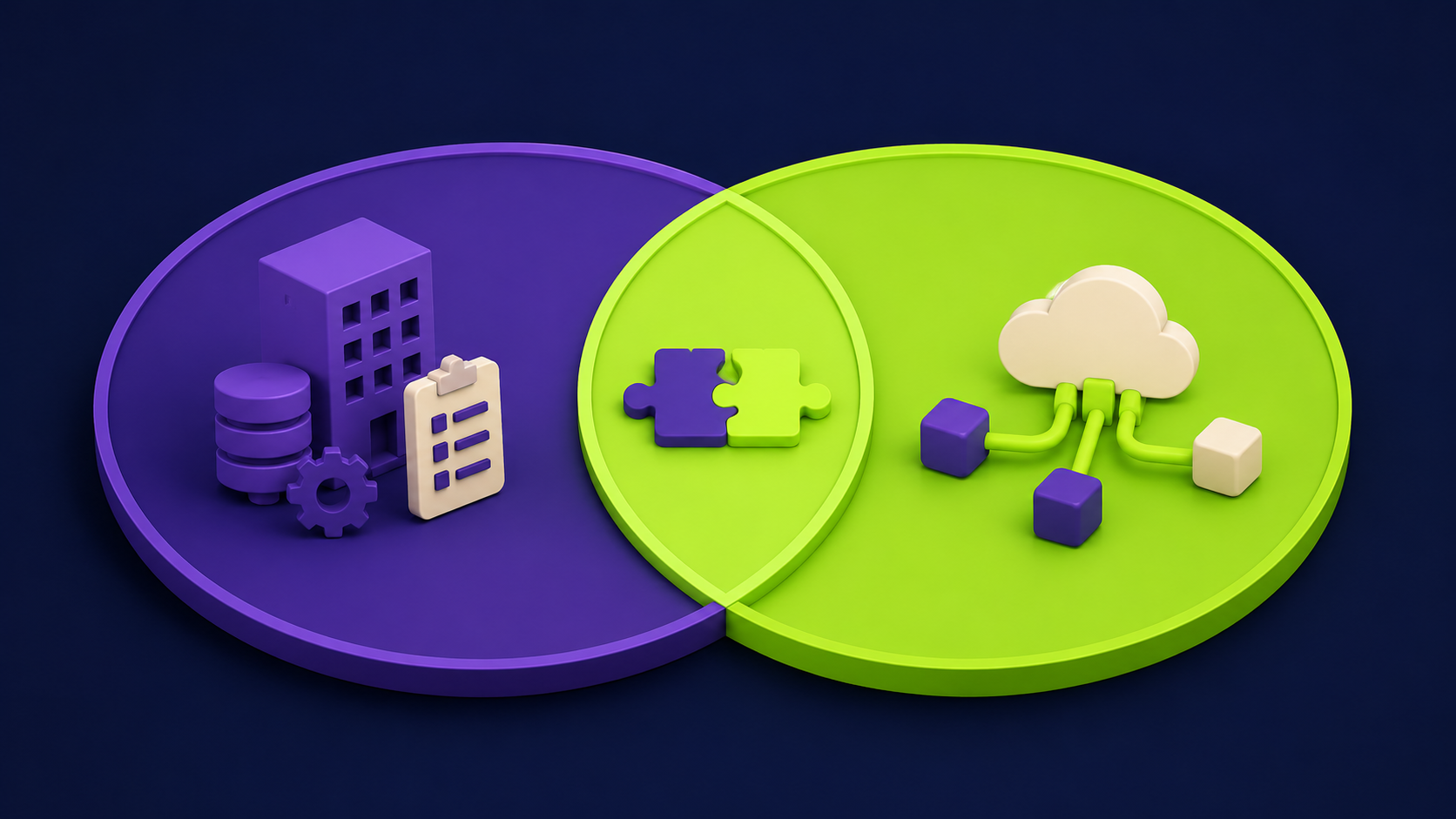
Jitterbit Harmony is an enterprise integration platform as a service (iPaaS): a managed environment for building, running, and monitoring the data pipelines that connect systems like Salesforce, NetSuite, SAP, and EDI partners. It sells reliability, governance, and pre-built connectors to companies whose integrations are business-critical.
The platform spans a visual designer (Studio), management console, cloud agents, API management, and AI-assisted features under its enterprise automation umbrella. It competes with Boomi, MuleSoft, and Celigo in the traditional iPaaS tier, a different weight class from workflow tools, which is exactly why its pricing looks alien if you arrived expecting SaaS-tier numbers.
How much does Jitterbit actually cost in 2026?
Officially: custom quotes, annual contracts, three tiers. Independently reported: organizations with moderate needs (5 to 15 active integrations, standard volumes) commonly see annual contract values between $30,000 and $80,000, per Integrate.io's 2026 pricing analysis and buyer data aggregated by Vendr.
Tier | Connection range | Aimed at | Cost notes (reported) |
|---|---|---|---|
Standard | 2 to 3 connections | First serious integration projects | Entry quotes; still annual contract |
Professional | ~5 connections | Growing integration portfolios | Mid five-figures common |
Enterprise | 8+ connections | Integration as core infrastructure | Upper range and beyond |
Three contract mechanics matter as much as the sticker. Pricing scales with active integrations, transaction volume, and connector usage, so growth raises renewals. Multi-year commitments reportedly earn 10 to 25% discounts. And overage fees, billed at premium rates when you exceed contracted transaction volume, can add 10 to 30% to a year's cost, per the official pricing page structure and Integrate.io's buyer reporting. Negotiate volume headroom up front; it is cheaper than overages.
Who is Jitterbit actually for?
Jitterbit earns its contract when integrations are revenue-critical and someone must answer for them: EDI flows with trading partners, ERP-to-CRM sync where a dropped record is a lost order, regulated environments needing audit trails and vendor accountability. The platform's value is as much organizational (support SLAs, governance, a throat to choke) as technical.
It is the wrong buy when your real need is connecting a dozen SaaS apps with moderate volumes, when no one owns integration full-time, or when the integration budget is four figures. In those cases the contract minimums buy capacity you will never use, and the modern alternatives below cover the need.
What are the best Jitterbit alternatives in 2026?
n8n: the strongest SMB answer. Self-hostable, 400+ integrations, full code escape hatches, and AI-agent nodes; the licensing cost difference against a $30k+ iPaaS contract is an order of magnitude. Our n8n vs Zapier vs Make migration math covers the cost modeling.
Make: visual scenarios with per-operation pricing; the no-ops-team middle ground for moderate volumes.
Boomi: the like-for-like enterprise comparison. If you genuinely need iPaaS-grade governance, quote both and negotiate.
Activepieces: open-source automation with a lighter footprint; good for teams standardizing on self-hosted tooling below n8n's complexity.
Nintex: process-automation heritage with strong document and approval workflows; fits process-heavy back offices more than data-pipeline shops.
When does dropping iPaaS for n8n actually work?

The migration works when three conditions hold: your integrations are API-based rather than legacy EDI or on-premise ERP adapters, your peak volumes fit a well-provisioned self-hosted instance or n8n cloud tier, and someone on the team can own a workflow platform the way they own any other internal service. When all three hold, teams replace mid-five-figure contracts with low-four-figure infrastructure plus some ownership time.
Where it does not work: deep SAP/NetSuite adapter dependencies, contractual SLA requirements your insurer or customers impose on the vendor, or zero engineering ownership. Those are the cases the iPaaS premium genuinely buys something. If you are weighing this migration, the build-vs-buy math and the operator rates involved are exactly what we cover in the 2026 automation rate card and the SaaS-replacement guide.
Would rather have the migration scoped for you?
Vantaige builds and migrates automation stacks for small and mid-size teams, including iPaaS-to-n8n moves with parallel-run validation. Get in touch for a scoped assessment of what your current contract is paying for and what a migration would actually involve.
FAQ
Does Jitterbit have a free tier?
No meaningful free tier exists for production; the platform is quote-based with annual contracts and offers trials through sales. Budget evaluation time accordingly: you are entering a sales process, not a self-serve signup.
Why is Jitterbit so expensive compared to Zapier or n8n?
Different product class. You are paying for enterprise governance, support SLAs, EDI and legacy adapters, and vendor accountability. Whether that premium is value or waste depends entirely on whether your integrations carry enterprise-grade consequences.
What drives the final quote?
Reported drivers: number of active integrations and connections, transaction volume, connector types (legacy and EDI cost more), support tier, and contract length. Multi-year terms reportedly earn 10 to 25% discounts; volume overages bill at premium rates.
Is n8n really an enterprise-grade replacement?
For API-centric integration portfolios at SMB-to-mid-market volumes, yes, with self-managed ownership replacing vendor SLAs. For EDI-heavy, adapter-dependent, or compliance-mandated vendor relationships, it is a partial replacement at best.
How do I avoid overage surprises?
Instrument your current transaction volumes before negotiating, buy headroom above observed peaks, and get overage rates in writing during the initial negotiation when your negotiating position is strongest, not at renewal.
Compare these tools side by side
Vantaige tracks 540+ AI tools with pricing, use cases, and alternatives. Browse the directory and create a free account to save tools to a shortlist and compare integration platforms before you commit.
Related from Vantaige
References
Jitterbit, "Pricing | Subscription Plans and Features." jitterbit.com/harmony/pricing
Integrate.io, "Jitterbit Pricing: How Much Does Jitterbit Really Cost in 2026." integrate.io
Vendr, "Jitterbit Software Pricing and Plans 2026." vendr.com
Integrate.io, "Jitterbit Review 2026: Pros and Cons for Data Teams." integrate.io
DCKAP, "Top 8 Jitterbit Alternatives 2026." dckap.com
Get the best new AI tools and guides, weekly
One short email a week. The tools worth trying, the guides worth reading, nothing else.
No spam. Unsubscribe anytime.
Aymen B
Contributing writer at Vantaige, covering the AI tools ecosystem.