The US Will Test Frontier AI Models Before Launch: What It Means for Builders (2026)

The US Will Test Frontier AI Models Before Launch: What It Means for Builders (2026)
A US government body now runs technical evaluations on some frontier AI models before those models ship to the public. The US Center for AI Standards and Innovation (CAISI) signed agreements with Google DeepMind, Microsoft, and xAI to assess frontier capabilities and run targeted research ahead of public release. This is a process layer between a model being finished and a model being available, and it can touch your launch timing, your capability assumptions, and the guardrails you inherit from a provider. This article explains what the agreements cover, what they do not, and the concrete things a builder should plan for in 2026 without doom or hype.
TL;DR
CAISI signed pre-deployment evaluation agreements with DeepMind, Microsoft, xAI
It is voluntary technical testing, not a licensing gate or ban
Plan for possible launch-date variance on covered frontier models
Expect eval-driven guardrails to arrive with a model, not after
Pin model versions and read provider system cards before you ship
<your real name> · Founder, Vantaige · Published 2026-05-19 · 11 min read · Last reviewed 2026-05-19
What is government AI model testing under CAISI?
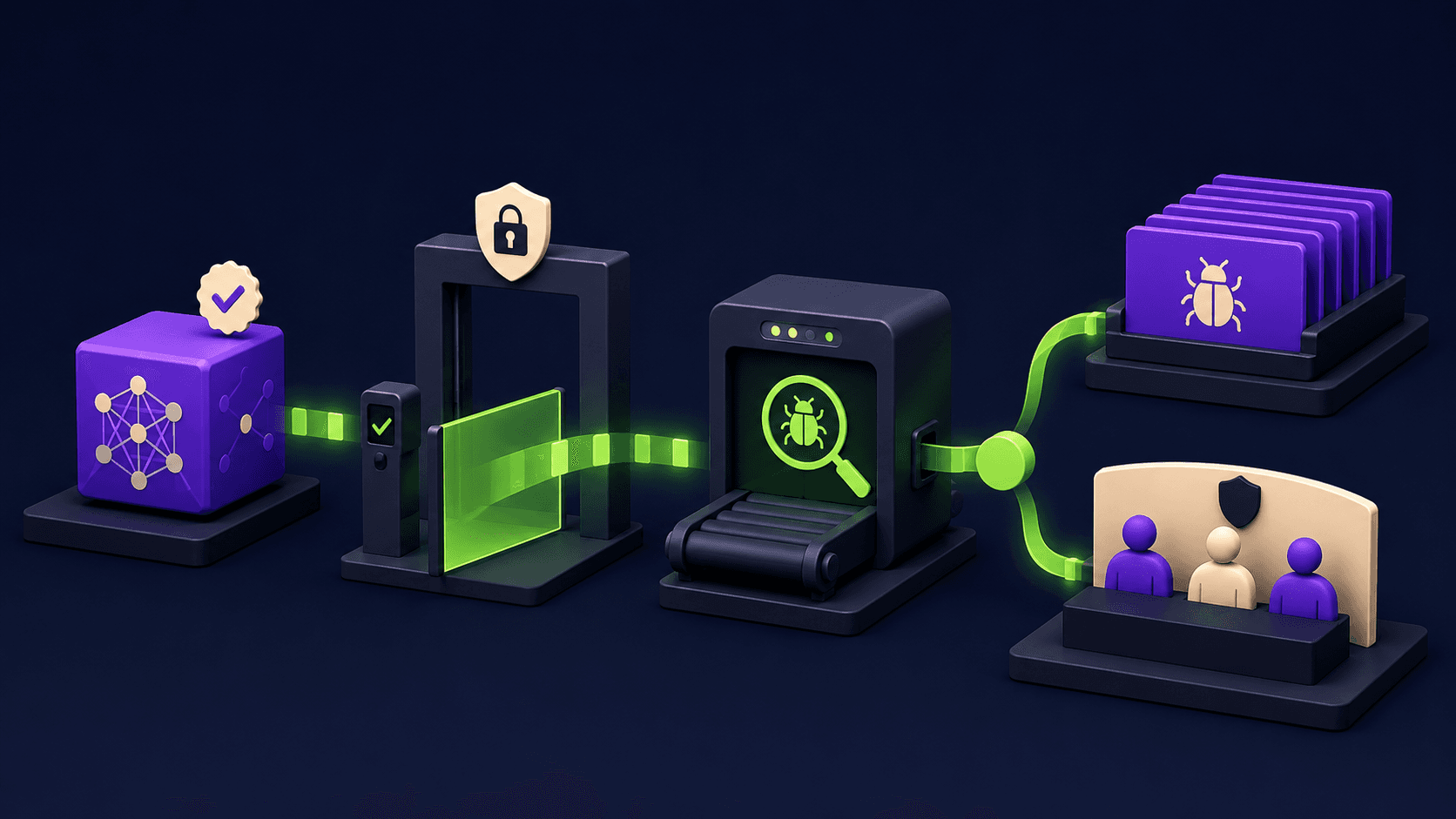
Government AI model testing here means a US technical body, the Center for AI Standards and Innovation (CAISI), running structured evaluations on a frontier model before its public release. CAISI signed agreements with Google DeepMind, Microsoft, and xAI to conduct pre-deployment evaluations and targeted research on frontier capabilities. It is an assessment process, not a regulator approving or rejecting a product, based on the agreements reported by CNBC and CNN in 2026.
CAISI sits inside the National Institute of Standards and Innovation lineage of standards work. Its public framing is measurement and research: testing what a model can do on specific high-stakes capabilities, then sharing findings with the lab. The relevant point for a builder is the sequence, evaluation happens between "model finished" and "model public," which is a new node in the timeline you depend on, even though the agreements are described as voluntary and the absolute policy specifics are not something to assume.
Which AI companies and models are covered right now?
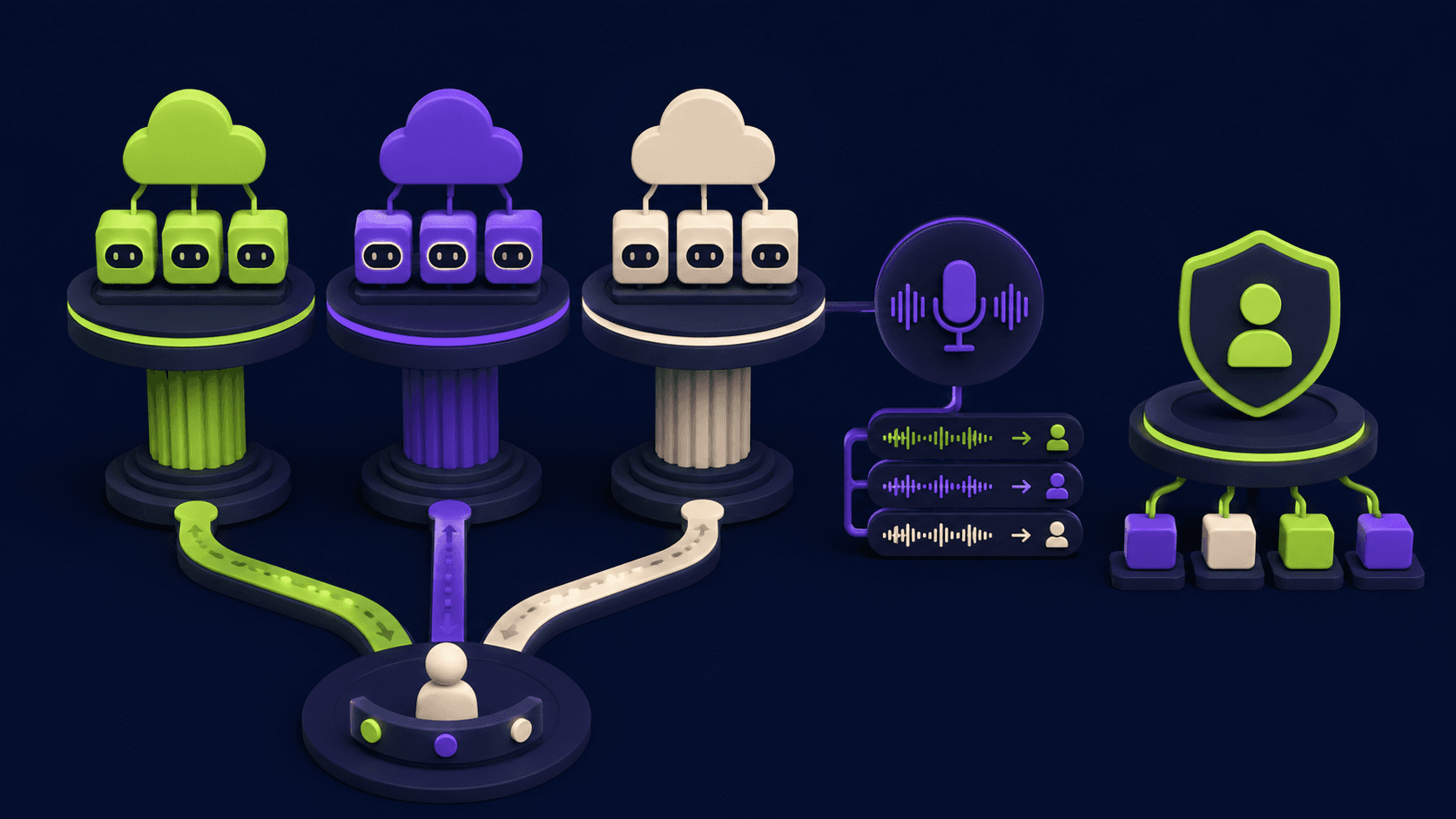
Three companies are named in the current agreements: Google DeepMind, Microsoft, and xAI. The agreements cover pre-deployment evaluations and targeted research on frontier AI capabilities, meaning the largest and most capable models those companies are preparing to release, not every model or API endpoint they run. Coverage is company-by-company and frontier-tier, not an industry-wide rule, per the 2026 reporting.
What this does not say matters as much as what it says. The agreements as reported do not name every future model, do not set a public list of which exact versions get tested, and do not extend automatically to companies outside the three. If you build on a model from a provider not in this list, these specific agreements do not change your pipeline today. If you build on a frontier model from one of the three, the testing step is now part of that model's path to you. Treat the boundary as "named companies, frontier tier" and re-check it per release rather than assuming a fixed scope.
Is this a launch ban, a license, or just an evaluation?
It is an evaluation and research arrangement, not a license to operate and not a ban. The reported agreements describe pre-deployment testing and targeted capability research conducted with the labs. They do not, on the public record, give CAISI authority to block a launch, revoke a model, or require a permit before release. Builders should read it as a technical review step, not a regulatory gate, until any official policy says otherwise.
This distinction changes how you should plan. A licensing regime would mean a hard external dependency with approve or reject outcomes. An evaluation arrangement means a process that can influence a lab's own release decision and the safeguards a lab ships, but the lab still owns the launch call as far as the public agreements go. Plan for indirect effects, schedule and safeguards, rather than a binary external switch. Do not invent specifics the agreements do not state, and do not frame a voluntary testing program as either a crackdown or a rubber stamp.
Will government AI model testing delay model launches in 2026?
It can introduce variance into launch dates for covered frontier models, but there is no published rule that fixes how long evaluations take or whether they push a date. A pre-release testing step is one more thing that happens before a model is public, so the realistic planning assumption is wider uncertainty on exact launch days for the largest models from DeepMind, Microsoft, and xAI, not a guaranteed slip.
Concretely, if your roadmap assumes "new frontier model on its rumored date, we wire it the same week," soften that to a range. Frontier model launch dates were already volatile before any of this, public availability often trailed announcement by days or weeks across 2025 and 2026 releases. The testing layer adds one more reason a date can move. Build your plan so a two-week shift on a single model is an inconvenience, not a missed commitment, and keep your current pinned model running until the new one is actually in your hands.
How could pre-deployment evals change a model's behavior or guardrails?
Findings from a pre-deployment evaluation can feed into the safeguards a lab ships with a model, so a builder may inherit refusal behavior, capability limits, or usage constraints that arrive on day one rather than appearing in a later patch. The exact changes are not something to predict, but the timing pattern is the practical takeaway: guardrails informed by testing tend to be present at launch, not bolted on weeks later.
For an application developer this means two things. First, your prompt and tool design should not depend on a specific edge behavior that an evaluation might tighten, because behavior on sensitive capabilities is exactly what gets reviewed. Second, when you adopt a covered frontier model, read its system card or model card before you commit, the documented safeguards are the contract you actually build against. The same discipline already pays off across versions, as the regression notes in our Claude Opus 4.7 regression and version-pin guide show: behavior moves between releases, and pinning plus reading the card is how you stay stable.
What should a builder actually do? A change-by-change checklist
The practical answer is small and boring: pin versions, read cards, widen launch windows for covered models, and keep a fallback model wired. Nothing about these agreements requires you to re-architect. The table below maps each change to who is covered and the one action that addresses it, so you can act without speculating about policy details that are not public.
Change | Who is covered | What a builder should do |
|---|---|---|
Pre-deployment evaluation step added before public release | Frontier models from Google DeepMind, Microsoft, xAI | Treat rumored launch dates as a range, not a fixed day; do not commit client deadlines to an unreleased model |
Possible launch-date variance on covered models | Frontier-tier models from the three named companies | Keep your current pinned model in production until the new one is actually available and tested by you |
Eval-informed guardrails likely present at launch | Covered frontier models at release | Read the provider system card or model card before adopting; do not depend on undocumented edge behavior |
Capability disclosure handled lab-to-agency, not to you | The three named companies and CAISI | Rely on the public system card and release notes for capability claims; do not assume internal eval detail you cannot see |
Scope limited to named companies, frontier tier | Not models from providers outside the three | If you build on a non-covered or open model, no pipeline change today; still keep a portability layer |
Voluntary arrangement, terms can evolve | Industry-wide watch item | Re-check scope per major release; route decisions through a config you can change, not hardcoded model strings |
The single highest-impact habit is a routing or config layer that lets you swap models without a code change. If a covered model slips, you flip a config value to your fallback and ship on time. We walk a concrete version of this in the GPT-5.5 Instant vs Claude Opus 4.7 routing matrix, which shows how to pick a primary and a backup per task type so a single provider's timing never blocks your release.
How does this compare to provider safety processes that already exist?
It adds an external technical evaluator alongside the internal safety testing labs already run, rather than replacing it. Frontier labs already publish system cards and run pre-release red-teaming; the CAISI agreements layer a US government technical assessment onto that for the three named companies. For a builder, the visible surface, the public system card, stays the primary thing you read, but it now reflects more than purely internal review for covered models.
This is continuity more than rupture. You were already supposed to read model cards, pin versions, and keep a fallback. The agreements do not change those fundamentals; they slightly raise the chance that a covered model's launch date and shipped safeguards reflect an outside evaluation. The migration discipline you would apply to any provider change still applies here. Our Grok 4.3 API and agents migration guide is a working example of treating any model transition as a planned, reversible step rather than a same-day swap, which is exactly the posture this situation rewards.
Common mistakes builders make reading this news
The biggest planning errors here come from over-reading a voluntary evaluation arrangement in either direction. Below are five mistakes and the fix for each, framed so you act on what is actually reported and nothing more.
Treating it as a launch ban. The agreements are evaluation and research, not approve-or-reject authority on the public record. Fix: plan for schedule and safeguard effects, not a binary external switch.
Assuming it covers every model. Scope as reported is the three named companies at the frontier tier. Fix: check whether your specific provider and model are in scope before changing anything.
Hardcoding a rumored launch date. Frontier dates were already volatile; a testing step widens the range. Fix: commit deadlines only against models you have already integrated and tested yourself.
Ignoring the system card. Eval-informed guardrails tend to ship at launch, so the card is your real contract. Fix: read it before adoption and design prompts against documented behavior, not edge cases.
Adding a partisan or doom narrative. The public facts are an evaluation arrangement with three companies; anything beyond that is speculation. Fix: build on the reported scope, flag unknowns as unknowns, and revisit when official detail is published.
Does this affect open-source or self-hosted models?
The reported agreements name three companies and frontier-tier models, so they do not, on the public record, impose a testing step on open-source or self-hosted models you run yourself. If your stack is a self-hosted open model, this specific news does not change your deployment path today. The general lesson about portability and version discipline still applies, but the testing layer described here is company-specific and frontier-specific.
This is one more argument for keeping a portability layer regardless of where you sit. A builder who can route between a hosted frontier model and a self-hosted open model absorbs both launch-timing variance on covered models and any future scope changes with a config edit. If self-hosting is part of your contingency thinking, our Nous Hermes 4 self-hosted setup versus closed agents comparison covers the real tradeoffs of running an open model as a fallback path rather than as a reaction to a single news cycle.
FAQ
What is CAISI in one sentence?
CAISI is the US Center for AI Standards and Innovation, a government technical body that, under 2026 agreements with Google DeepMind, Microsoft, and xAI, conducts pre-deployment evaluations and targeted research on frontier AI capabilities before those models are released publicly. It is described as a measurement and research function, not a licensing authority, in the reporting from CNBC and CNN. Builders should treat it as a testing step in a covered model's release path.
Does government AI model testing mean my app will break?
No. There is nothing in the reported agreements that changes a deployed application directly. The realistic effects are indirect: a covered frontier model's launch date may have wider variance, and its shipped safeguards may reflect an external evaluation at release. Your application keeps running on whatever version you have pinned. The protective habits are unchanged, pin versions, read the system card before upgrading, and keep a fallback model wired through config.
Will this delay GPT, Gemini, or Grok releases?
It can add launch-date variance to covered frontier models from the three named companies, but no public rule fixes how long evaluations take or whether a date moves. Frontier launch dates were already unpredictable before these agreements. The safe planning posture is to treat any rumored date for a covered model as a range and to never commit a client deadline to a model you have not already integrated and tested yourself.
Is this regulation, and is it partisan?
On the public record it is a voluntary evaluation and research arrangement between a US technical body and three companies, not a statute, a licensing regime, or a ban. It is most accurately described in neutral, procedural terms. Builders gain nothing from framing it as either a crackdown or a rubber stamp; the actionable content is the testing step and its possible schedule and safeguard effects, and any policy specifics beyond the reported agreements should be treated as unknown until officially published.
What is the single most important thing to do now?
Put a model-routing config between your application and any provider so you can switch models without a code change. That one layer absorbs launch-date variance, lets you fall back instantly if a covered model slips, and makes any future scope change a configuration edit instead of a refactor. Pair it with version pinning and reading the system card before each upgrade, and these agreements become a planning footnote rather than a disruption.
Does this apply to models I self-host?
Not based on the reported scope. The agreements name three companies and frontier-tier models; a model you self-host yourself is outside that described boundary today. This is a reason to keep a portability path, not a reason to change a self-hosted deployment now. Re-check scope at each major release, because the arrangement is voluntary and its terms can evolve, but do not assume coverage that the public agreements do not state.
Related from Vantaige
Grok 4.3 API and Agents: Pricing and Migration Guide (2026), treat any model transition as a planned, reversible step.
Claude Opus 4.7 Regression: How to Pin 4.6 in Claude Code, why version pinning protects you when behavior shifts between releases.
GPT-5.5 Instant vs Claude Opus 4.7: A Routing Matrix (2026), pick a primary and a fallback per task so one provider never blocks you.
Nous Hermes 4 Self-Hosted vs Closed Agents (2026), the real tradeoffs of an open model as a fallback path.
Agent 365 vs Claude Managed Agents: Cost Comparison (2026), how to keep agent stacks provider-flexible.
References
CNBC, 2026 reporting on US government pre-deployment evaluation agreements with frontier AI companies. https://www.cnbc.com
CNN, 2026 reporting on CAISI agreements with Google DeepMind, Microsoft, and xAI. https://www.cnn.com
US Center for AI Standards and Innovation (CAISI), agency framing of pre-deployment evaluation and frontier capability research. https://www.nist.gov
Google DeepMind, public model and system card documentation referenced for builder safeguard guidance. https://deepmind.google
Microsoft, public responsible AI and model documentation referenced for builder safeguard guidance. https://www.microsoft.com
xAI, public model documentation referenced for builder safeguard guidance. https://x.ai
Get the best new AI tools and guides, weekly
One short email a week. The tools worth trying, the guides worth reading, nothing else.
No spam. Unsubscribe anytime.
Aymen B
Contributing writer at Vantaige, covering the AI tools ecosystem.