
Omnisend is an email and SMS marketing platform purpose-built for e-commerce, used by 150,000+ stores. It combines AI-powered automation, abandoned cart flows, and deep Shopify integration in a single platform that costs roughly 35% less than Klaviyo at comparable contact counts.
Omnisend is an email and SMS marketing automation platform built specifically for e-commerce, founded in 2014 in Vilnius, Lithuania by Rytis Lauris and Justas Kriukas. Originally launched as "Soundest," the company rebranded in 2017 when it expanded beyond email into multi-channel marketing. It reached $50M annual recurring revenue by December 2024 entirely through bootstrapping, without venture capital. Today it serves 150,000 online stores globally, operating from Vilnius with an additional office in Charleston, South Carolina.
The platform combines email campaigns, SMS, and web push notifications with a purpose-built e-commerce data layer: Shopify, WooCommerce, and BigCommerce integrations that sync purchase history, browsing behavior, and cart events natively. Core automation workflows include abandoned cart recovery, welcome series, post-purchase upsell sequences, win-back campaigns, and browse abandonment triggers. An AI layer launched in mid-2025 adds natural language segment building, subject line generation, AI-written email copy, dynamic product recommendations, and Forms AI for popup creation. The free tier is genuinely functional, covering automation, segmentation, and 24/7 live chat support on all plans including free.
What Omnisend actually is in May 2026
Omnisend sits in a specific position in the e-commerce marketing stack: it is not a general-purpose email tool with an e-commerce plugin bolted on. The platform was designed from the start around the behavioral data that online stores generate: who browsed a product page, who added to cart without completing checkout, who bought once six months ago and has since gone quiet. Those events drive automations automatically once a store connects its catalog.
The AI features added in 2025 build on that foundation rather than replacing it. The AI Segment Builder, launched in beta in June 2025, lets store owners describe an audience in plain English ("customers who bought shoes in the last 90 days but haven't opened an email in 60 days") and generates a precise segmentation filter without requiring knowledge of the underlying data fields. Subject line and preheader generators use campaign performance data to suggest copy. The AI Writer handles full email body generation with tone-of-voice customization. The Personalized Product Recommender analyzes individual browsing and purchase history to dynamically select the right products to show each recipient.
Pre-built automation inventory is a genuine strength. Thirty-seven workflow templates cover the full e-commerce lifecycle, and the visual automation builder requires no technical background. Cart abandonment flows, by default, fire a three-email sequence at configurable intervals, pulling product images and names directly from the Shopify catalog rather than requiring manual content assembly. SMS follow-ups attach to those same flows on the Pro plan.
"The flows easy to set up and edit and they bring me in sales." - Fiona M., Retail store owner, Capterra, October 2024
Web push notifications are included on Standard and Pro plans at no additional charge, giving stores a third channel alongside email and SMS without a separate tool. The free plan allows up to 500 emails per month to 250 contacts, with all core features active including automation, segmentation, and live chat support. This is meaningfully more generous than most free tiers in this category, which tend to disable automation on free accounts.
Where Omnisend sits versus Klaviyo and Mailchimp
The comparison to Klaviyo is the one that comes up most often in e-commerce communities, and the mechanical differences are real. Klaviyo operates at a deeper data layer: its predictive analytics engine uses machine learning to generate per-customer predictions for next order date, lifetime value, and churn probability. Its flow builder supports split testing on automation branches with statistical confidence intervals, not just single-variable A/B tests. Real-time event tracking on Shopify Plus via Klaviyo's native integration is more granular, capturing custom events and metafield data that Omnisend's integration does not reach by default. For stores with complex segmentation logic, multi-brand setups, or a dedicated email strategist who builds from scratch, Klaviyo's ceiling is higher.
The price difference is also real. At 10,000 contacts, Klaviyo charges approximately $240/month for email plus SMS, while Omnisend comes in around $132/month. At 100,000 contacts, Klaviyo runs about $1,380/month versus Omnisend's approximately $900/month. The 35% cost advantage compounds at scale. Klaviyo's SMS per-message rate ($0.0085) is slightly cheaper than Omnisend's entry rate ($0.009), so high-volume SMS senders should run the actual numbers before assuming Omnisend is always cheaper. See also: Attentive for SMS-first e-commerce marketing at enterprise scale.
Mailchimp is a different kind of comparison. Mailchimp is a general-purpose email platform that added e-commerce features after becoming dominant in the small business market. It has over 330 integrations versus Omnisend's approximately 200. Its template library is larger. But Mailchimp's e-commerce automation lacks the depth of native behavioral triggers that Omnisend ships by default: abandoned cart sequences on Mailchimp's lower tiers require workarounds or third-party Shopify integrations rather than native direct sync. The Mailchimp pricing structure also has a notorious gap, jumping from around $20/month directly to $350/month with few mid-range options, versus Omnisend's gradual scaling. For Shopify stores specifically, Omnisend's native integration is meaningfully simpler to configure than Mailchimp's. For non-e-commerce use cases, newsletters, SaaS products, or content brands without a product catalog, Mailchimp's breadth is the better fit.
How AI actually works inside Omnisend
The AI features in Omnisend are practical rather than exploratory. They are acceleration tools on top of established workflows, not experiments that replace existing functionality. The AI Segment Builder, which launched in beta as part of the June 26, 2025 AI suite announcement, is the most novel: type a description of the audience you want, and the system translates it into the correct combination of contact properties, behavioral filters, and time windows. For store owners without database query knowledge, this closes a real skill gap.
Subject line generation uses historical campaign data from the account, not just general language model knowledge, which gives it more relevance to the specific audience than a generic content AI. The AI Writer integrated into the email builder can produce full campaign body text in multiple languages with tone adjustments, though as with most AI copy tools, output typically needs human editing before sending.
The September 23, 2025 feature release, described by the company as its biggest in a year, layered in behavioral personalization: viewed product recommendations (showing items a customer recently browsed), past purchase suggestions, and conditional content blocks that display different offers to different segments within a single campaign send. These features are available on Pro accounts and as add-ons.
"AI should take the busywork out of marketing, not add to it. With our new AI-powered suite, we're making advanced personalization and efficiency accessible to brands of any size, so marketers can focus on creative strategy while Omnisend handles the heavy lifting." - Zilvinas Lesinska, VP of Product, Omnisend, June 2025
One friction point: some Pro users on the Shopify App Store have complained about AI recommendation elements appearing in the interface without an option to dismiss them. A review from April 2026 from a long-term merchant described it as "forcing bad AI slop at paying customers," specifically in reference to UI elements that appear intrusive during campaign creation. It is a minor issue in the scope of the platform, but it reflects a pattern of beta-stage AI features being pushed to production users before the UX is refined.
The pricing and scale friction users keep raising
Omnisend's advertised entry price of $16/month is accurate for a 500-contact list. The contact-based scaling that happens after that is the source of most negative reviews. Multiple merchants on the Shopify App Store describe opening their billing dashboard to find quotes in the $500-$1,200/month range when their lists hit tens of thousands of contacts. One January 2026 review from a merchant in Israel stated: "Expected $16/month plan but quoted $600/month. This plan doesn't exist..that is crazy." A six-year user in February 2026 reported undisclosed charges in that same range, though Omnisend responded clarifying that costs scale with active contact count.
The pricing model itself is not unusual in this category. Klaviyo, HubSpot, and most comparable platforms use contact-based scaling. The specific issue is that Omnisend's marketing and Shopify App Store listing emphasizes the $16/month entry price prominently, and store owners with large existing lists can encounter a significant mismatch between expectation and quote. For stores with 10,000+ contacts at signup, the actual price needs to be looked up by contact tier before committing.
Deliverability is a separate concern. EmailToolTester's testing measured Omnisend inbox placement at approximately 64%, well below the industry average of around 85%. Shared IP pools, which are the default for all accounts, can be affected by the behavior of other senders on the same infrastructure. Dedicated IPs are available but require approval rather than self-serve purchase, and the path to requesting one is not clearly documented for standard users.
SMS pricing becomes a real cost at scale. The entry rate of $0.009 per message for low-volume senders is competitive for small stores, but stores sending several hundred thousand SMS messages monthly will find Klaviyo's $0.0085 rate or platforms like Attentive worth comparing. The difference adds up at volume.
Who Omnisend is for
Omnisend fits Shopify, WooCommerce, and BigCommerce stores in the 250 to 50,000 contact range that want email, SMS, and push notifications in a single platform without Klaviyo-tier pricing. It is particularly strong for stores at the $50K-$5M annual revenue range: large enough to need real automation and segmentation, not yet at the scale where Klaviyo's predictive analytics justify the cost premium.
The free plan is viable for new stores launching their first email list. Unlike many free tiers, Omnisend's free account includes automation, segmentation, and live chat support, so abandoned cart flows can run before generating enough revenue to justify a paid subscription. Teams migrating from Mailchimp will find the Shopify integration configures in minutes, with cart abandonment and purchase data surfacing immediately.
Skip Omnisend for non-e-commerce operations. There is no native CRM, no lead scoring, no pipeline tracking, and no B2B contact management. The platform is built around product catalogs, purchase events, and cart data. A SaaS company or B2B newsletter would find the interface full of irrelevant features. For those profiles, HubSpot or ad intelligence tools alongside a general email platform serve better. Also skip it if you are a high-volume SMS sender above 500,000 messages per month or a Shopify Plus merchant who needs Klaviyo's predictive CLV engine. Note too that the interface is English-only as of 2026.
At 4.8 stars across 2,900+ Shopify App Store reviews and a bootstrapped $50M ARR, Omnisend has earned its position by solving a clear problem for a defined customer. Pricing transparency at scale and shared-IP deliverability are genuine friction points, but they do not undermine the core value for its target user. For the mid-market e-commerce segment, it competes directly with Sender and similar tools while staying substantially cheaper than Klaviyo.
User Reviews
No reviews yet. Be the first to share your experience!
Sign in to write a review.
Related articles
Guides and articles related to Omnisend.
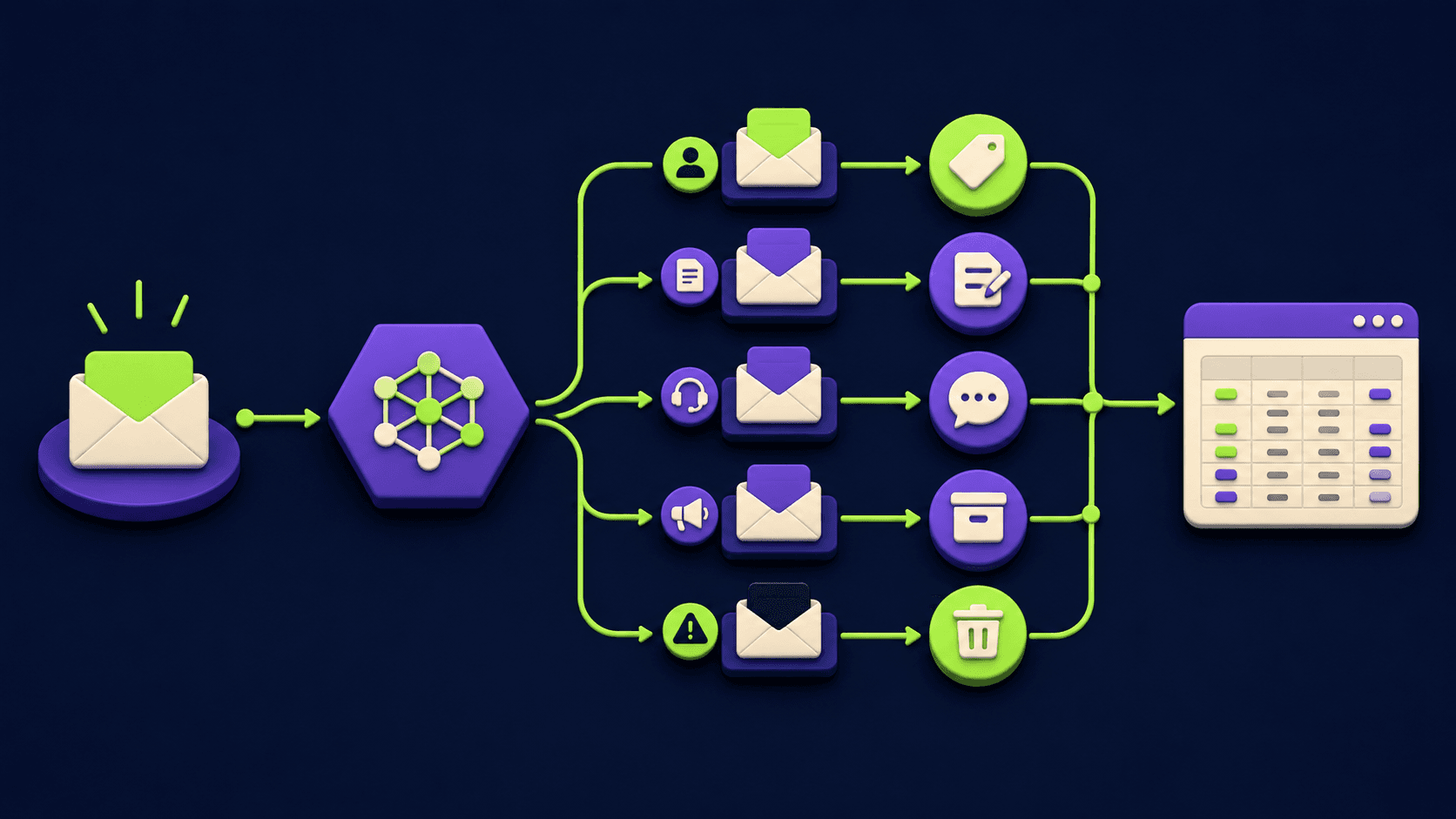
The AI Inbox Triage That Gives Owner-Operators 5 Hours Back a Week (2026)
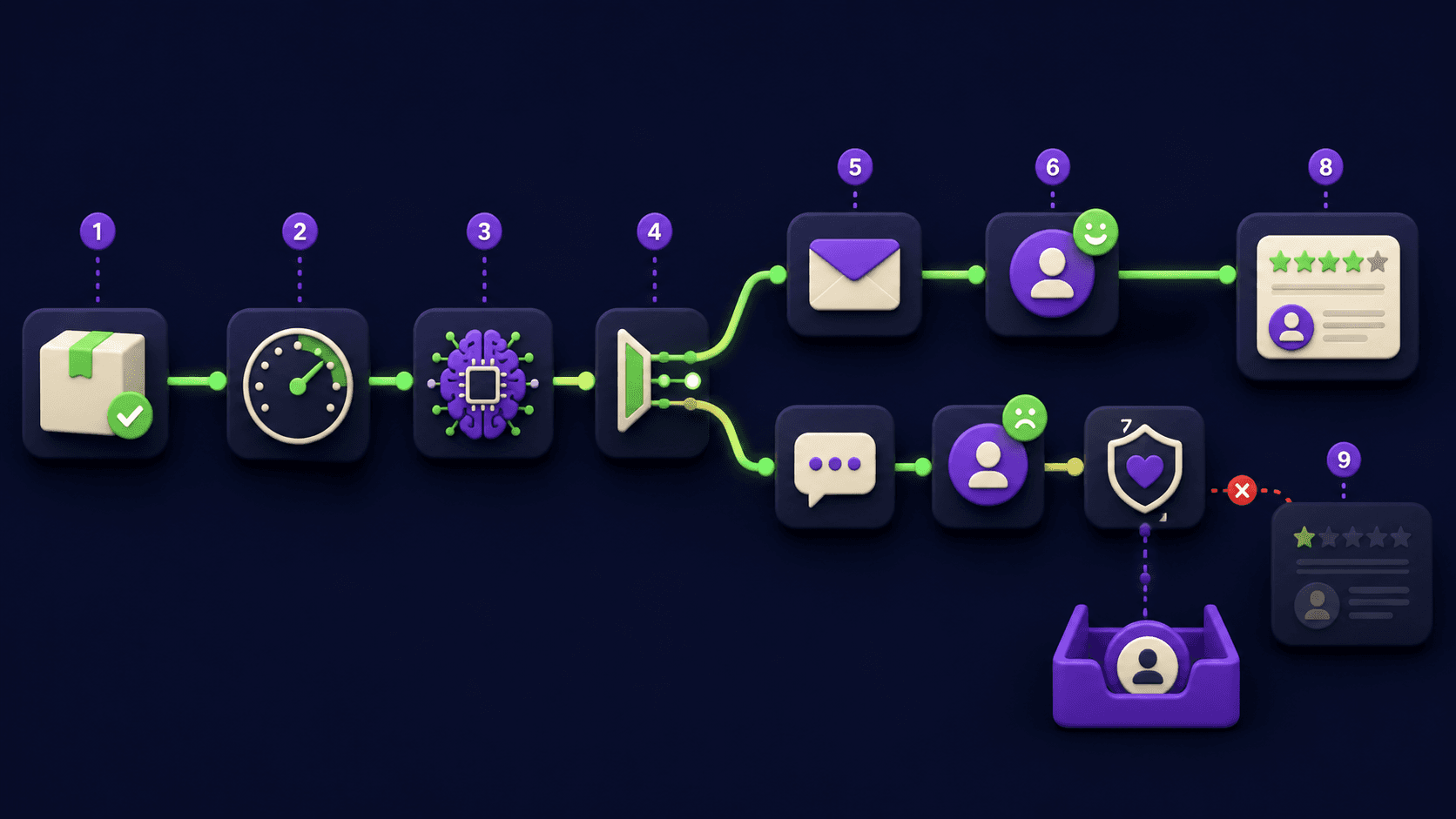
The Post-Purchase Review-Request Automation That Doesn't Feel Spammy (2026)

Build and Sell AI Automations as a Service: The Operator Playbook (2026)

15 AI Agent n8n Workflows You Can Build This Weekend (2026)
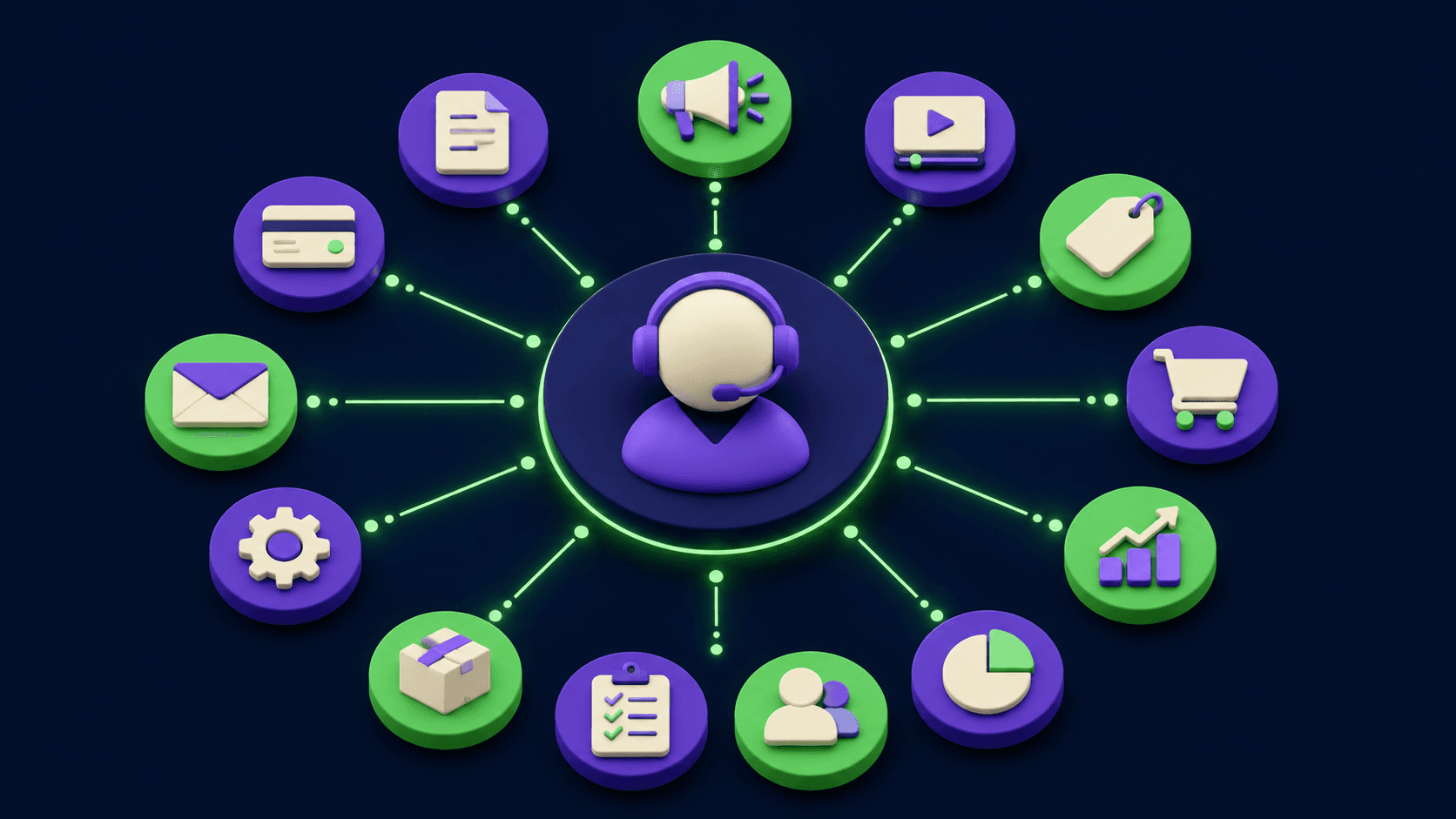
AI Agents for Business: What They Actually Are and 12 Things You Can Automate Today