The Complete AI SDR Setup Guide: Deploy an Autonomous Outreach Agent in 30 Days
The Complete AI SDR Setup Guide: Deploy an Autonomous Outreach Agent in 30 Days
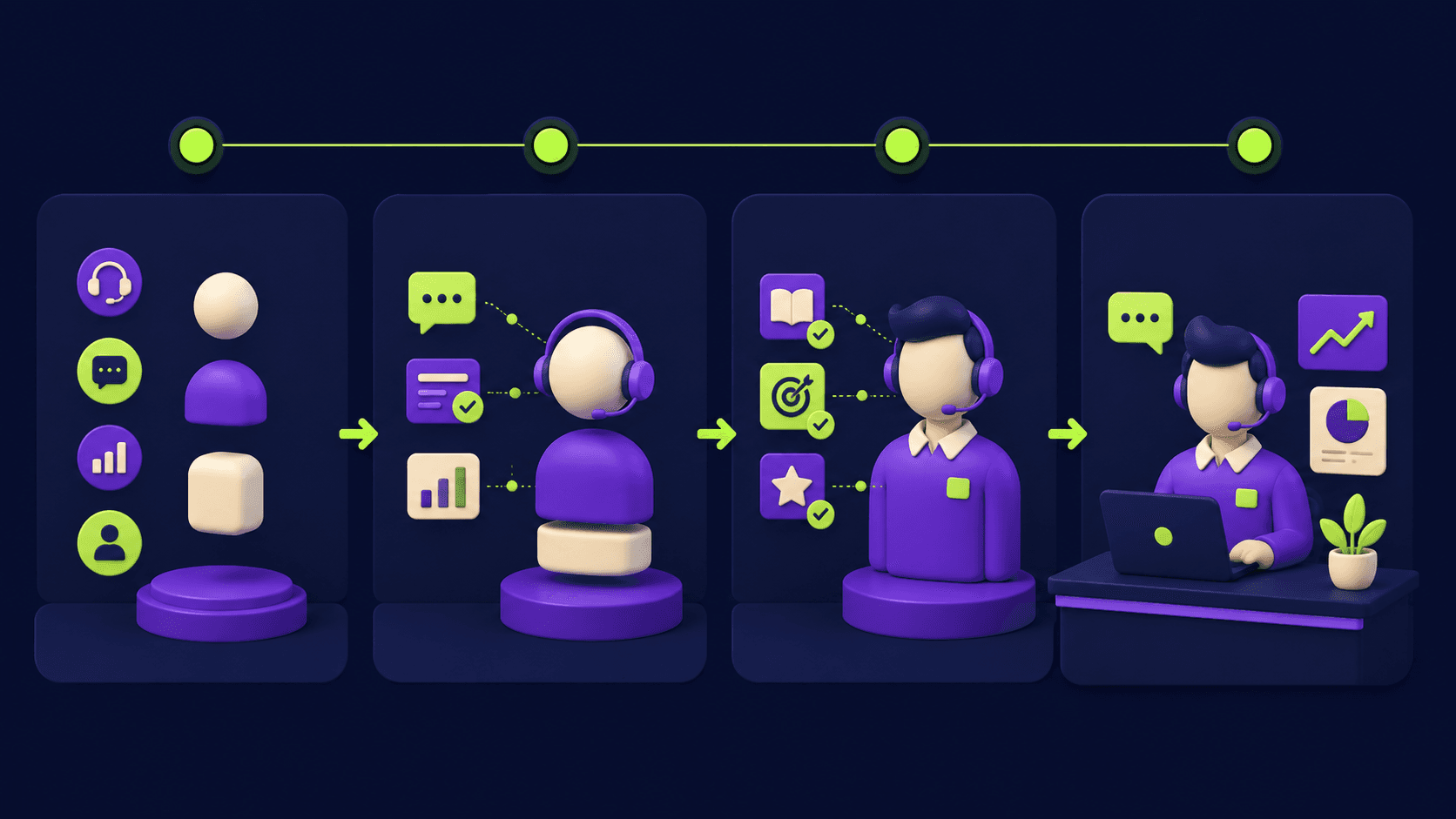
You have decided to deploy an AI sales agent. The question is no longer whether, it is how, and in what order, without torching your domains in week one. This is the week-by-week 30-day deployment plan we follow: what to build each week, why the sequence matters, and the checkpoints that tell you it is working. Follow it yourself, or use it as the scope of a done-for-you build.
TL;DR
A safe AI SDR deployment takes about 30 days
Week 1 is foundations: ICP, offer, domains warming
Week 2 builds data, enrichment, and personalization
Week 3 is controlled launch and deliverability monitoring
Week 4 scales what works and hands over the playbook
What does deploying an AI SDR actually involve?
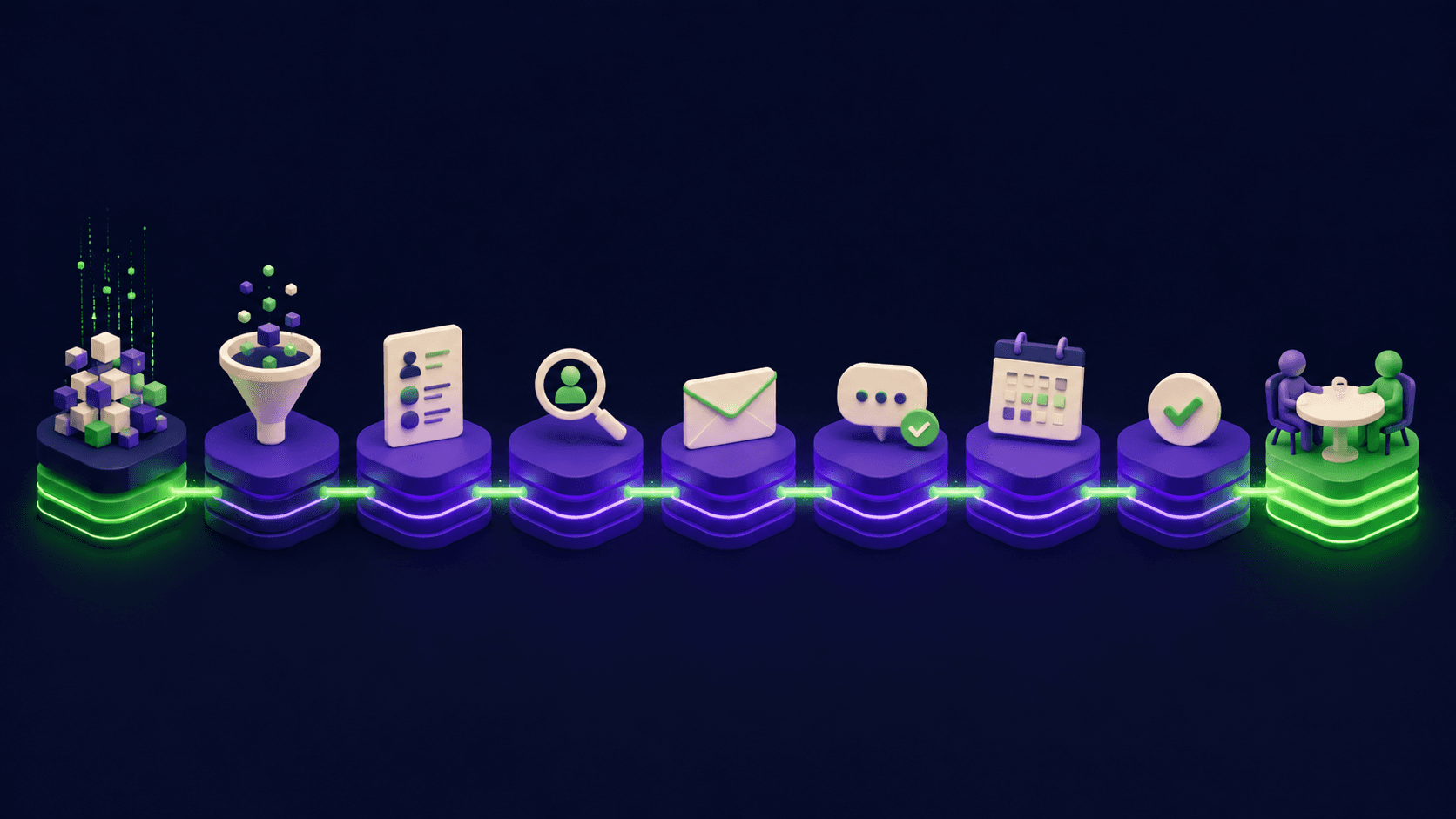
Deploying an AI SDR means standing up the full system that lets software research, personalize, and send outreach at scale while a human handles the warm replies, not flipping on a single tool. It is the nine-layer outbound stack assembled and tuned, with the agent layer on top doing the repetitive work.
The 30-day timeline is set by one hard constraint: domains need two to three weeks to warm before they can send real volume safely. Everything else is built to fit inside that window, so warmup is never the thing you are waiting on at the end. Rushing it is the single most common way deployments fail, which is why the plan starts the warmup clock on day one. The economics behind the build are in our AI SDR versus human SDR analysis.
Week 1: Foundations and the warmup clock
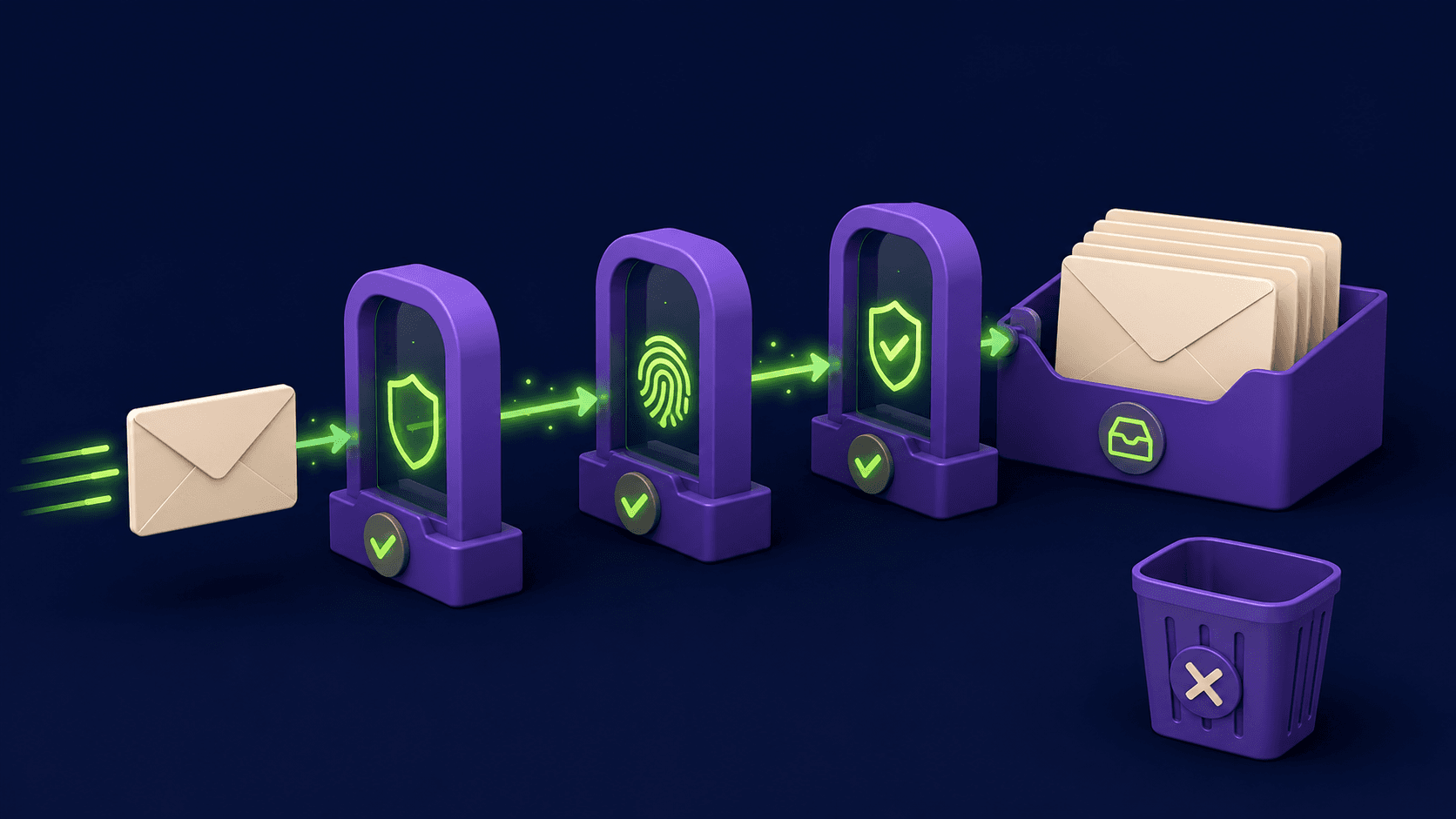
Week one is strategy and infrastructure setup, with the domain warmup started immediately so the clock runs in the background. You define the ICP precisely, pressure-test the offer (outbound amplifies a working offer and exposes a weak one), buy the sending domains, set up inboxes, and configure SPF, DKIM, and DMARC correctly.
No real prospects are contacted this week. The work is unglamorous and decisive: a wrong ICP or a broken DNS record here costs you weeks later. This is also where you decide the channels (email, LinkedIn, or both) and the CRM the system will sync to. Get the foundations right and the rest of the month is assembly; get them wrong and you rebuild in week three. The deliverability specifics are in our deliverability guide.
Week 2: Data, enrichment, and personalization
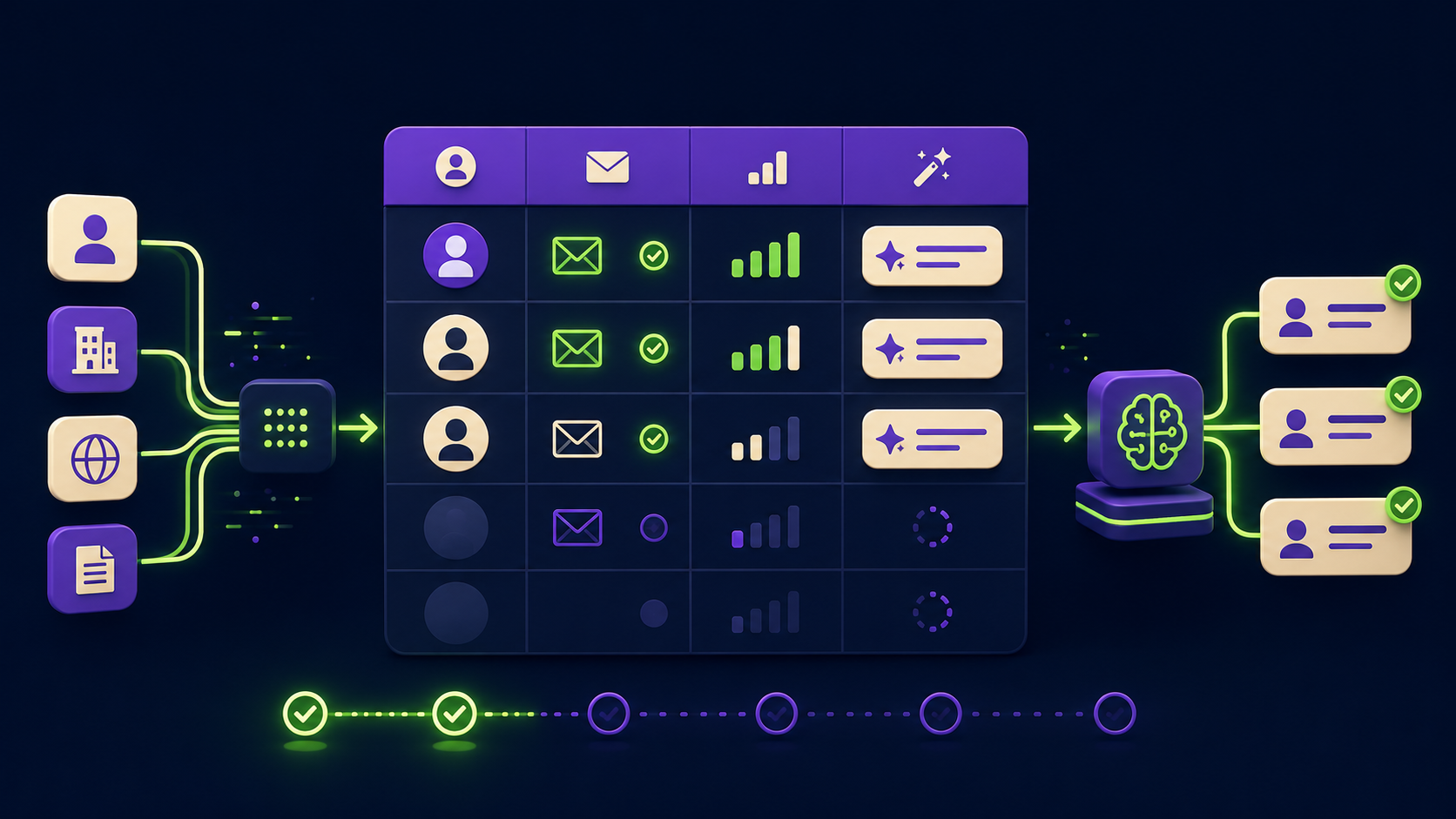
Week two builds the engine that decides who gets contacted and what they hear: data sourcing, enrichment, and the personalization layer. You source the raw list from a provider like Apollo, enrich it with waterfall enrichment in Clay, verify every email, and build the AI step that turns enrichment data into a relevant first line per prospect.
This is where the agent earns its keep, and where most self-builds underinvest. Thin data and generic personalization produce a technically working campaign that gets no replies. Spend the week making the data rich and the personalization specific; it is the difference between a 2 percent and a double-digit reply rate. The full mechanics of the enrichment layer are in how Clay actually works. By the end of week two the domains are warm or nearly there, and the engine is ready to feed them.
Week 3: Controlled launch and monitoring
Week three is the first real sends, deliberately small and closely watched, ramping volume only as deliverability holds. You start at low daily volume per inbox, monitor inbox placement, opens, and replies, and iterate the copy based on what lands. The agent runs the sequence; you watch the signals.
The discipline here is patience: the temptation is to scale fast because it is finally live, but volume that outruns reputation lands in spam and undoes week one. Ramp gradually across inboxes, keep an eye on bounce and spam-complaint rates, and let the data tell you when to push. By the end of the week you have live replies, early meetings, and a clear read on which sequences and segments work. The first qualified replies route to a human closer through your CRM and Calendly.
Week 4: Scale, optimize, and hand over
Week four scales the winners, cuts the losers, and documents the system so it runs without heroics. You increase volume on the sequences and segments that produced replies, kill the ones that did not, add any second-channel touches, and write the run playbook: daily checks, weekly reviews, and the rules for when to add domains or segments.
This is also the handover point if a team will operate it: training on the daily run, the dashboards to watch, and the troubleshooting steps. The system should now book meetings predictably enough that the next month is optimization, not firefighting. What you have at day 30 is the deliverable described in our done-for-you engagement breakdown: a working, owned outbound system.
What are the checkpoints that tell you it is working?
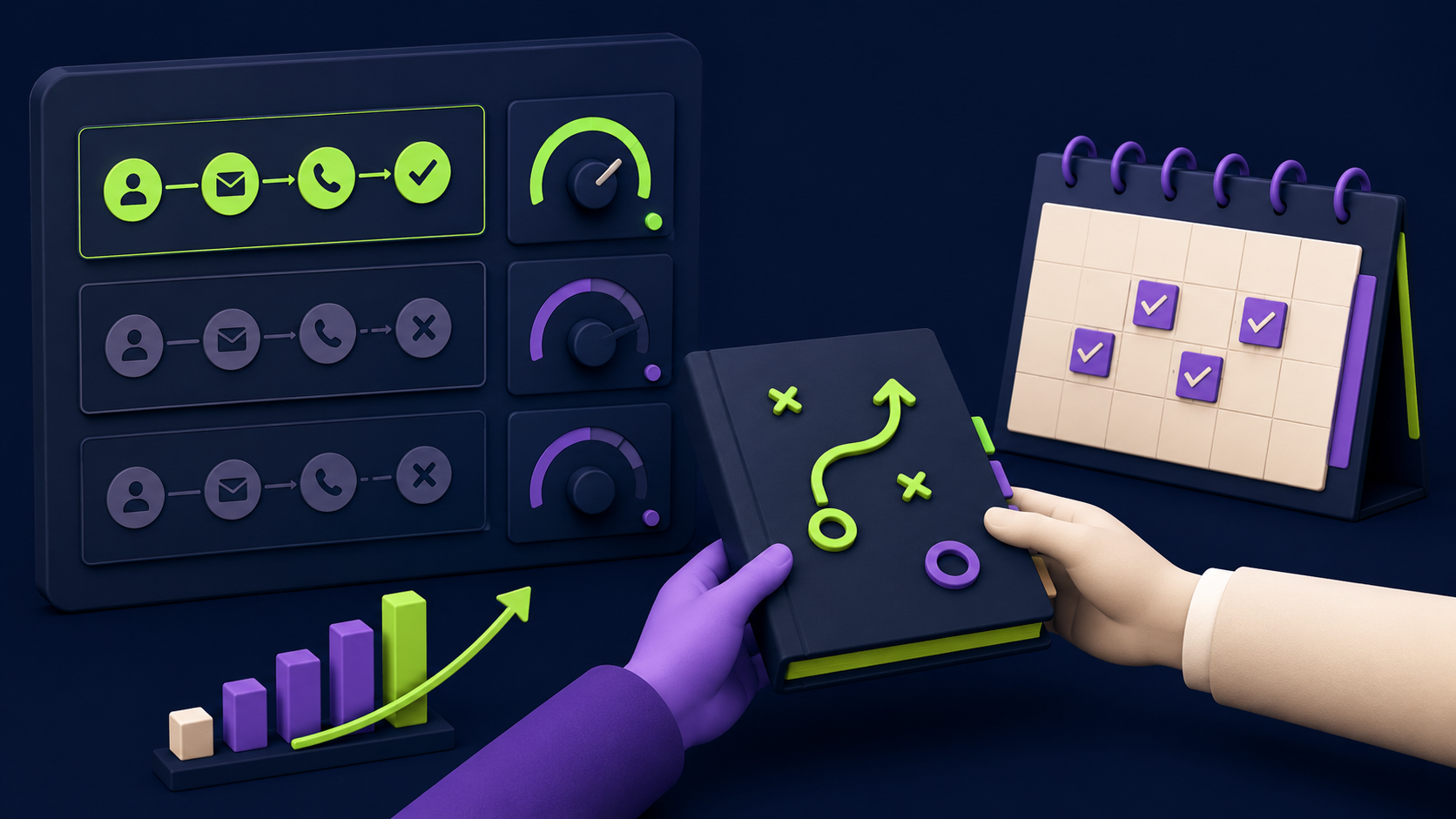
The honest signals at each stage, so you know whether to proceed or fix. End of week one: domains authenticated and warming, ICP and offer locked. End of week two: enriched list with high match rate, personalization that reads human on spot checks. End of week three: inbox placement holding, first replies arriving, bounce and complaint rates low. End of week four: meetings booking at a repeatable rate, playbook documented.
If a checkpoint fails, you fix before advancing rather than pushing forward on a cracked foundation. A deployment that misses the week-three placement checkpoint and scales anyway is how teams burn domains and conclude "AI outbound does not work," when the real problem was skipping a gate. The gates exist precisely so you catch problems while they are cheap to fix.
Want your outbound system built for you?
Vantaige designs and builds done-for-you AI outbound: data, enrichment, personalization, sequencing, and CRM sync, wired into one system your reps actually use. Book a free outbound audit and we will find the revenue leaking from your pipeline.
FAQ
Can I really deploy an AI SDR in 30 days?
Yes, and 30 days is about the floor, set by domain warmup. You can build the engine faster, but you cannot safely send real volume from cold domains, so the warmup window paces the launch. Anyone promising a live, scaled system in days is skipping warmup, which ends in spam.
What does an AI SDR cost to run after setup?
Ongoing cost is the tooling stack (data, enrichment, sending, sequencer) plus model usage, in predictable monthly market ranges you can model from our rate card. It is a fraction of a loaded human SDR's cost, which is the core of the build-versus-hire case, but it is not free, and underfunding the data layer shows up as poor results.
Do I still need a human in the loop?
Yes. The agent handles research, personalization, and first touches; a human handles qualified replies, calls, and closing. The 30-day build produces a system that multiplies a small team, not one that runs with nobody watching. The handover trains that human on the daily run.
What if my offer is not converting?
Fix the offer before scaling outbound, because outbound amplifies whatever you send. A strong system sending a weak offer just spreads the weakness faster and ages your domains. Week one pressure-tests the offer for exactly this reason; if it is not ready, that is the first thing to address.
Which is more important, the tools or the setup?
The setup. The same tools produce wildly different results depending on data quality, deliverability discipline, and personalization. Teams that buy the tools and skip the sequencing get poor results and blame the tools. The 30-day plan is mostly about doing the right things in the right order.
Can you run this deployment for us?
Yes, that is exactly the done-for-you engagement: we run the 30-day build and hand over a working system your team owns. It starts with a free audit of your offer, ICP, and current outreach, which tells both of us whether there is a strong system to build here.
Related from Vantaige
References
Clay, enrichment and GTM documentation. clay.com
Google, email sender guidelines. support.google.com
U.S. FTC, CAN-SPAM Act compliance guide. ftc.gov
Get the best new AI tools and guides, weekly
One short email a week. The tools worth trying, the guides worth reading, nothing else.
No spam. Unsubscribe anytime.
Aymen B
Contributing writer at Vantaige, covering the AI tools ecosystem.
Similar articles
How to Build an AI Outbound Stack From Scratch: The Complete 2026 Playbook
AI Outbound System Design and Build: What a Done-For-You Engagement Looks Like