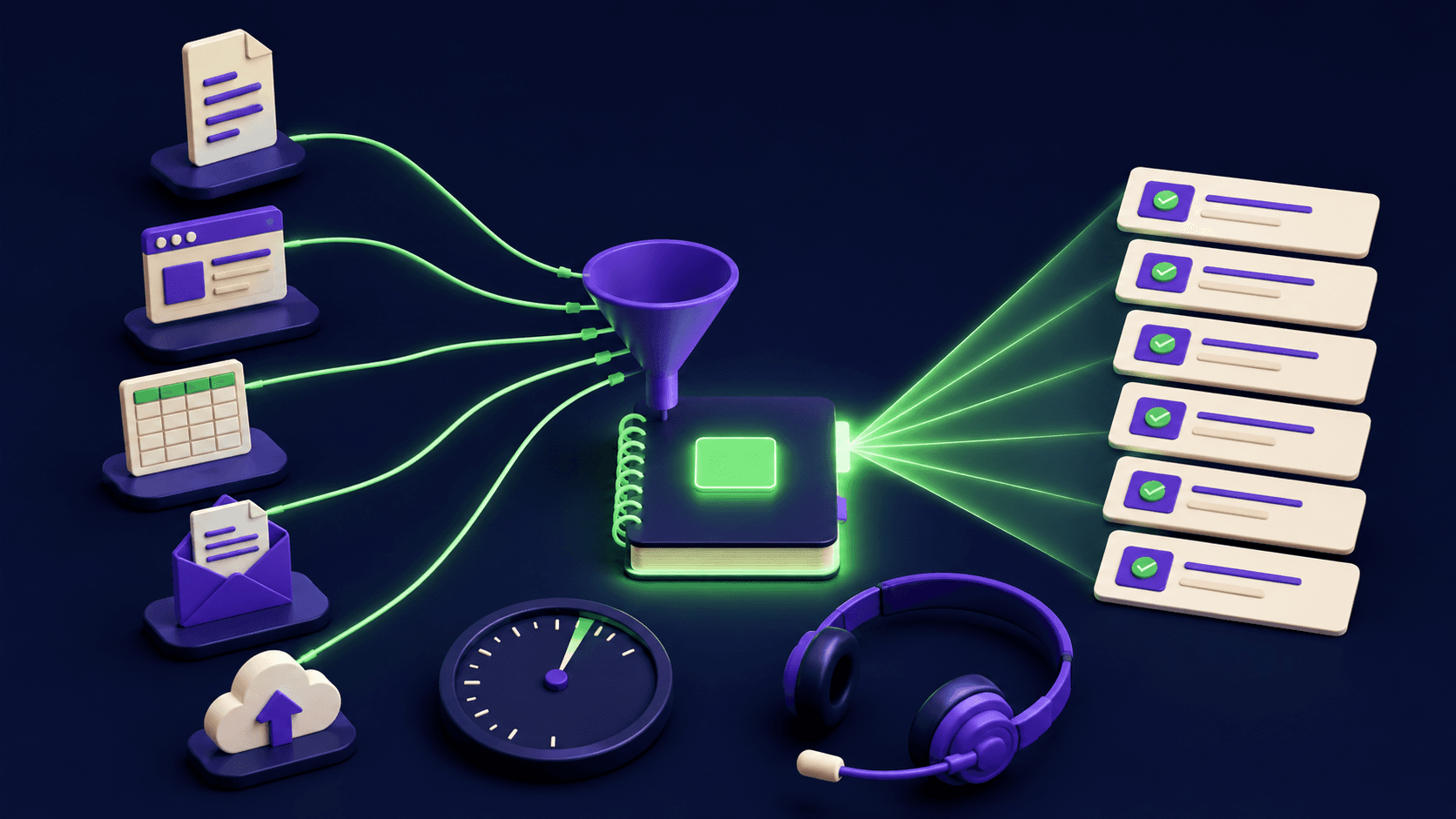

Apollo.io is an all-in-one B2B sales intelligence platform with a 275M+ contact database, AI-powered email sequences, and an agentic AI assistant that automates prospecting through deal execution. Used by 3M+ GTM professionals. Free tier available; paid plans from $49/mo.
Apollo.io is a B2B sales intelligence and engagement platform built to replace the patchwork of separate prospecting, enrichment, and outreach tools that most sales teams cobble together. Founded in 2015 and backed by Bain Capital Ventures and Sequoia Capital at a $1.6B valuation, Apollo sits at the intersection of a contact database and a sales automation engine: it gives you the data and the mechanism to act on it inside the same platform. Over 3 million go-to-market professionals at 500,000+ companies use it, from solo founders running cold outbound to multi-person SDR teams at growth-stage SaaS companies.
The core product centers on a 275M+ contact database with 65+ search filters including buyer intent signals, technographics, and job postings. From search results, reps can add contacts to multi-step email sequences, trigger LinkedIn tasks and phone calls, sync records to HubSpot or Salesforce, and enrich existing CRM data via API. On March 4, 2026, Apollo launched its AI Assistant as a generally available product, having been in beta since October 2025. The assistant handles list building, account research, sequence creation, and deliverability optimization through plain-English prompts, with beta users reporting a 36% improvement in meetings booked within 14 days. Users who need a standalone Klenty-style cadence tool or the deeper enrichment orchestration of Clay will find Apollo somewhere between: less flexible than Clay's 100-source waterfall, more integrated than a single-purpose sequence tool.
What Apollo.io actually is in April 2026
Apollo started as a data company and gradually built the engagement layer on top of it. By 2026, it operates as a unified GTM platform rather than a pure data vendor. The key pieces are the Apollo database (contact search + enrichment), Sequences (multi-step email, call, and task automation), the AI Assistant (plain-language workflow agent), a parallel dialer, LinkedIn integration, CRM sync, and a reporting layer. The Pocus acquisition in March 2026 added enterprise buying signal intelligence, which Apollo is integrating to surface accounts that are actively in-market before a rep even starts a search.
The AI Assistant, fully launched in March 2026, is the biggest product shift in Apollo's history. It operates through a chat interface embedded in the platform, where reps can type "find 200 VP of Engineering at SaaS companies in the US with 50-200 employees who are hiring for backend roles" and Apollo builds the list, drafts a personalized sequence, and queues it for review. As of launch, the assistant handled list building, research, enrichment, messaging, sequence creation, and analytics. The caveat noted in the March 2026 launch coverage: the AI Assistant operates at the account level and cannot yet identify which specific contact at a company is actively showing buying signals. That precision gap matters for ABM workflows targeting named accounts.
Where Apollo.io sits versus Clay and ZoomInfo
Apollo, Clay, and ZoomInfo are frequently compared but serve different buyer profiles and solve different parts of the outbound problem.
Clay vs. Apollo: Clay does not own a proprietary database. It is a data orchestration layer that aggregates from 100+ sources, including Apollo itself, using waterfall enrichment logic. Clay's Claygent research agent can scrape websites for specific business signals (a facility expansion, a new equipment purchase, a recently funded round), producing research depth Apollo cannot match for specialist industries. The tradeoff is complexity: Clay requires a technical operator or RevOps hire to configure correctly, and pricing starts at $700+/month. Apollo is faster to set up, starts at $0, and handles 80% of standard outbound use cases without requiring a dedicated operator. Clay is the right choice when multi-source accuracy verification and custom enrichment logic matter more than speed or cost. Apollo wins when a rep needs to start prospecting within an hour and send their first email sequence by end of day.
ZoomInfo vs. Apollo: ZoomInfo maintains a database of 300M+ contacts (larger than Apollo's 275M) and leads on direct-dial phone accuracy, with an 88% connect rate versus Apollo's weaker phone verification. ZoomInfo's enterprise features, including org-chart views, intent data from its own publisher network, and deep technographic tracking, make it the standard tool for enterprise revenue teams at $10M+ ARR. But ZoomInfo carries a price tag of $15,000+/year, roughly 3-6x the total cost of comparable Apollo team seats, and has no AI workflow assistant comparable to Apollo's AI Assistant. ZoomInfo also carries frequent complaints about a laggy, outdated UI. Apollo wins on price and AI integration. ZoomInfo wins on phone data and enterprise-depth intelligence.
Teams running full-funnel outbound often use Apollo as the sequencing and email layer while pairing it with Gong for conversation intelligence after the meeting is booked.
"Finding contacts, verify emails, and manage outreach in one system saves a lot of time." - Shasta W., Director of Sales Support, Capterra, March 2026
How AI actually works inside Apollo
Apollo's AI features are not a bolted-on ChatGPT wrapper. They are embedded in the native workflow at specific handoff points. The AI Assistant (GA: March 2026) operates as a natural-language interface over Apollo's own platform functions. When you ask the assistant to "build a list of 500 fintech CTOs at seed-funded companies," it runs Apollo's search API internally, applies the right filters, and presents the result as a list you can review or push directly to a sequence. When you ask it to "write a five-email sequence for a CFO at a mid-market manufacturing company," it drafts the sequence using Apollo's AI email writer with personalization tokens pulled from the contact's firmographic data.
Other AI features embedded in the standard platform include AI email scoring (predicts open and reply likelihood before send), AI email rewrite (adjusts tone and length based on persona), auto-suggest subject lines, and call transcript analysis via the dialer. The AI enrichment layer runs in the background on CRM imports, flagging records where the contact title, email, or company has changed since the last sync. For users who also use HubSpot, Apollo's HubSpot integration can trigger enrichment automatically when a new lead enters a pipeline stage.
The Pocus acquisition (March 2026) adds an intent and signal layer that Apollo is actively integrating. Pocus was built around identifying which accounts are showing in-product or behavioral buying signals. Once integrated, Apollo's AI Assistant will theoretically be able to answer "which accounts in my CRM are most likely to buy in the next 30 days" with context beyond just job postings and firmographics.
The frustrations users keep hitting
Apollo has a real and recurring set of complaints that show up consistently across G2, Capterra, Trustpilot, and r/coldemail discussions.
Data accuracy outside North America: US contact accuracy sits around 88%, but international data drops to roughly 60%. Teams targeting Europe, APAC, or LATAM report 15-35% bounce rates on exports. The consensus on r/coldemail is to always verify Apollo email data through a separate tool (NeverBounce, Zerobounce, Instantly's verification) before sending at scale.
Credit system changes and opacity: Apollo has changed how credits are consumed multiple times in 2024-2025. Phone reveals now cost 8 credits each. Even email reveals cost 3-10 credits depending on whether waterfall verification triggers. Credits expire at the end of each billing cycle with no rollover. Annual billing customers particularly dislike that Apollo rolls out credit-cost changes mid-contract. When credits run out before month end, overages are billed at $0.20 per credit with a 250-credit minimum purchase.
"It's very frustrating to see them change credits usage so often and they don't pass on the benefits of new features and changes to users who have billed annually." - Anonymous reviewer, G2, July 2025
Email sending infrastructure: Multiple experienced users in r/coldemail report that Apollo's sending domain infrastructure is identifiable by Google and Microsoft spam filters. The practical workaround the community has converged on: use Apollo to build the list, export the verified contacts, and send through a dedicated deliverability-first tool like Instantly or Smartlead. This adds tool cost and workflow complexity.
Customer support: Trustpilot and Capterra reviews consistently flag slow response times, sometimes days to weeks for billing issues. Users have reported credits being deducted without data returned, with support unable to provide backend logs beyond the in-app view.
Interface learning curve: New users frequently report accidental bulk actions, particularly selecting an individual contact but accidentally triggering a company-wide list add. The platform's breadth (database, sequences, dialer, enrichment, analytics, AI) makes it genuinely complex to learn quickly. Users who need only a simple sequence tool like Lavender for email writing will find Apollo's feature surface more than they need.
Who Apollo.io is for
Best fit: Growth-stage SaaS companies from pre-seed through Series B that need a combined database and outbound tool without buying ZoomInfo and Outreach separately. Solo SDRs and founders on tight budgets who want a genuinely usable free tier. HubSpot or Salesforce users who need CRM enrichment tightly integrated with prospecting. Teams building a first outbound motion from scratch, where speed to first email matters more than enrichment depth. Managers who want a single platform for sequence performance, call recording, and activity reporting without adding more dashboards.
Skip this when: You are running high-volume cold email at 10,000+ sends per day and need deliverability-first infrastructure. You need GDPR-compliant, verified European phone numbers at scale (Cognism fits better). You are building a bespoke multi-source enrichment pipeline for a specialized industry where Claygent's website-scraping research logic is necessary. You need enterprise org-chart depth and direct-dial verification for a large account-based sales motion with a $15K+ budget (ZoomInfo fits better). You already have a separate database contract and only need sequencing, in which case a purpose-built tool like Klenty or Gong for conversation intelligence post-call may be a tighter fit than Apollo's broader surface area.
User Reviews
No reviews yet. Be the first to share your experience!
Sign in to write a review.
Related articles
Guides and articles related to Apollo.io.
How Clay Actually Works: Waterfall Enrichment and Signal Prospecting Explained

How to Build an AI Outbound Stack From Scratch: The Complete 2026 Playbook

AI SDR vs Human SDR: The Real Cost, Performance, and What Nobody Tells You
The Signal-Based Outbound Playbook: Use Intent Data to Raise Reply Rates
Discovery Call Prep With ChatGPT: The 4-Prompt Sequence That Wins (2026)