The Signal-Based Outbound Playbook: Use Intent Data to Raise Reply Rates
The Signal-Based Outbound Playbook: Use Intent Data to Raise Reply Rates (2026)
Cold outreach built on static lists is a volume game with diminishing returns: average reply rates for generic cold sequences sit at 1 to 3%, and every quarter more companies flood the same inboxes. Signal-based outbound flips the model. Instead of blasting a segment and hoping for timing luck, you monitor real-world trigger events, job changes, funding rounds, hiring spikes, tech installs, and reach out the moment a prospect has a concrete reason to respond. Teams that run this approach consistently report reply rates of 8 to 15%, against the 1 to 3% baseline for untriggered cold email, according to campaign data published by Growleads across 200 B2B client campaigns (2023 to 2026). This playbook gives you the exact trigger library, the timing windows that make each trigger useful, and an honest account of where signal data goes noisy.
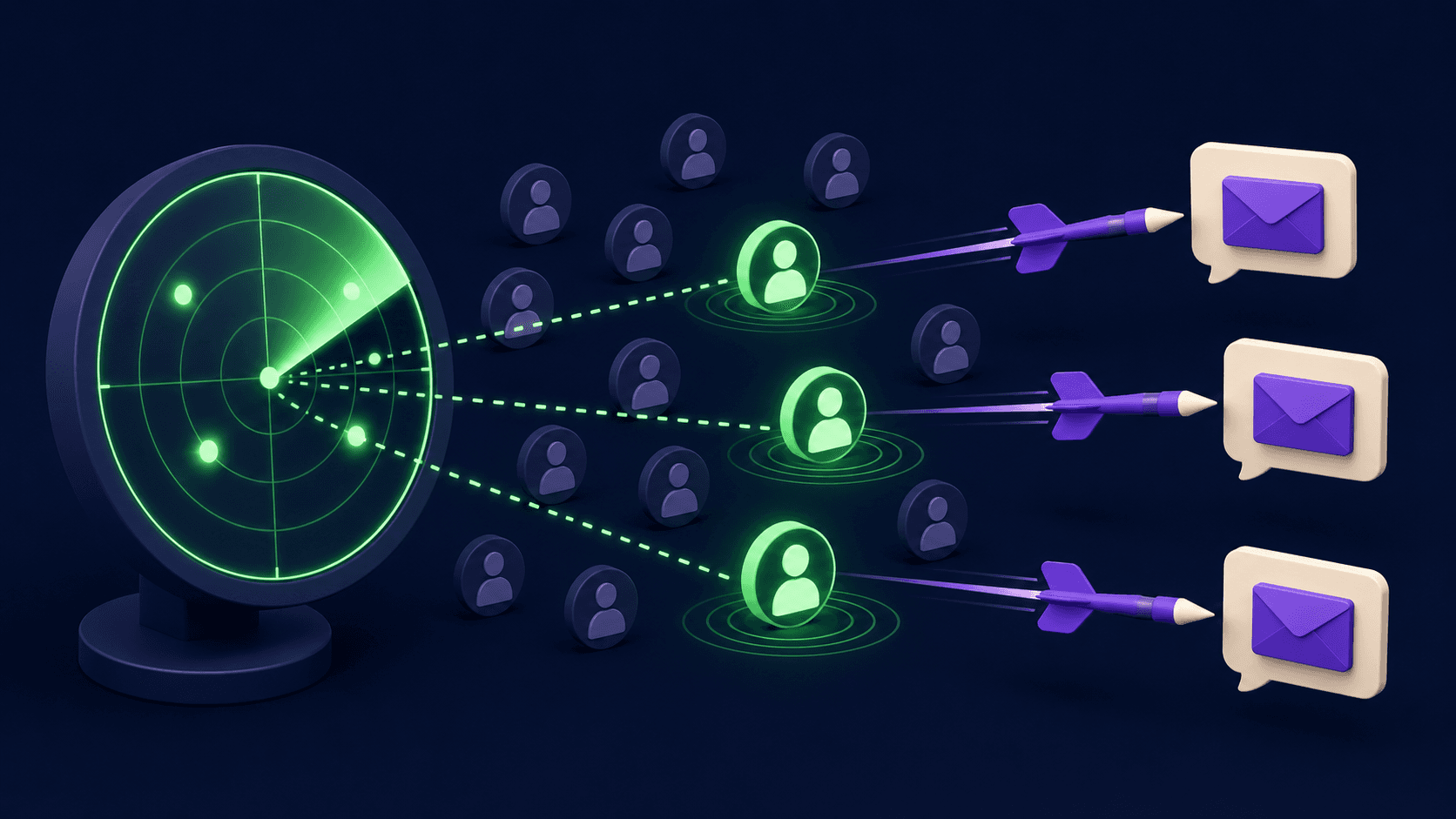
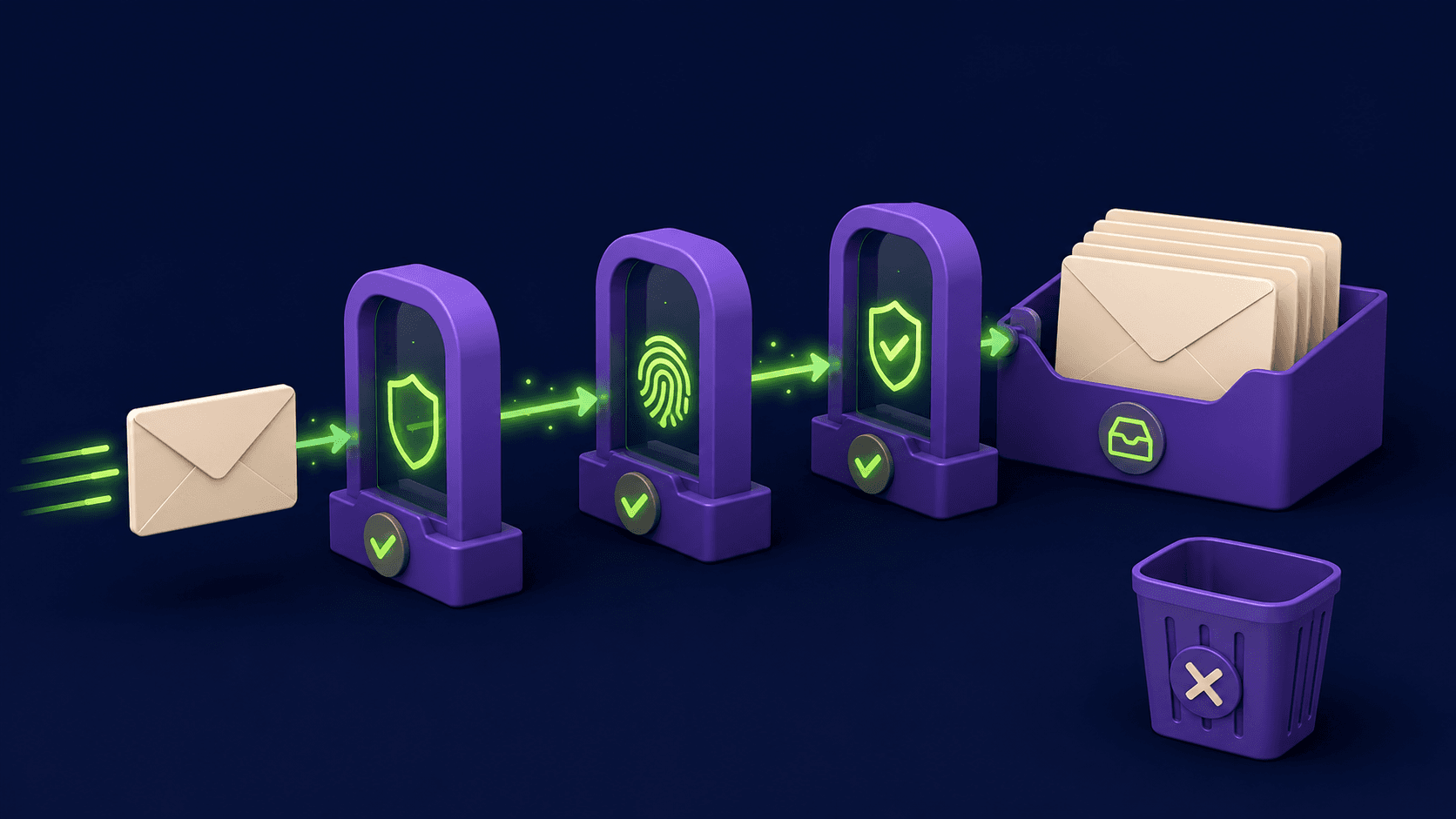
Signal-based outbound times your reach-out to a real event, not a scheduled cadence.
Ten trigger types, each with a different message angle and a different source to monitor.
Timing windows are short: most signals decay inside two to four weeks.
Signals need data plumbing; acting on raw intent data without scoring produces noise.
A downloadable trigger matrix (referenced below) lets you map triggers to your ICP before building sequences.
What Is Signal-Based Outbound and How Does It Differ from Spray-and-Pray?
Signal-based outbound means your sequence fires because something happened at the prospect account, not because a rep hit a quota or a list aged out. The trigger event is the permission to reach out and the hook for your message.
Spray-and-pray outbound starts with a list: pull contacts matching a title and industry filter, enroll everyone in a five-step sequence, and wait. The timing is random relative to the prospect's buying context. That randomness is the core problem. If the prospect has no current pain, no budget cycle, and no change catalyst, even a perfect email goes nowhere.
Signal-based outbound adds a fourth filter after company, title, and ICP fit: is something happening at this account right now that makes them likely to act? That filter alone, applied correctly, explains most of the reply rate gap. According to Autobound's 2026 intent data guide, signal-specific personalization that references a real trigger achieves reply rates around 18%, compared to 3.4% for generic cold email, a gap of more than 5x.
The B2B intent data market behind this approach reached an estimated $4.5 billion in 2026, growing at roughly 16% annually (Omnibound, 2026 buyer intent data report). The growth reflects real demand: but as we cover in the pitfalls section below, market size does not equal signal quality.
The Ten-Trigger Library: What to Watch and When to Send
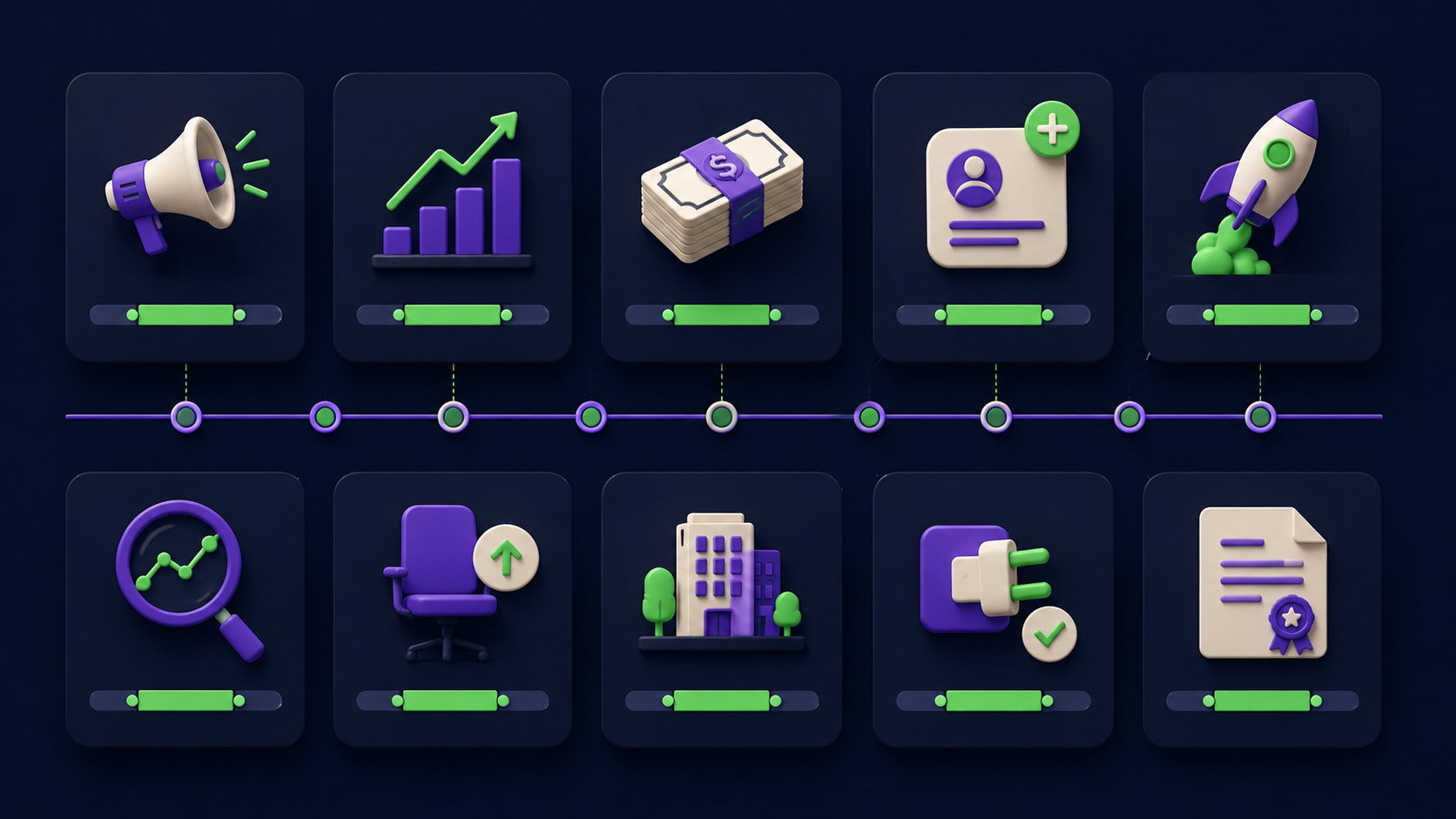
Below is the core trigger library used by signal-first outbound teams. Each trigger has a distinct source, a distinct message angle, and a defined freshness window after which the outreach becomes generic again.
1. Job Change (New Role at Target Account)
When a decision-maker joins a new company, they spend the first 90 days auditing the existing stack and building credibility by making visible improvements. They have budget authority they did not have yesterday and zero loyalty to incumbent vendors. Sendoso's published case study reported a 20% reply rate and 47 new opportunities in one month from a job-change triggered sequence. The effective window is tight: act within 7 days of the LinkedIn profile update, and lead with a personal note that references the new role specifically, not the old one.
2. New Funding Round
A company that closes a Series A through Series C has capital and pressure to deploy it on growth infrastructure. The founding team is actively evaluating vendors in the weeks immediately after the announcement. According to Growleads' 2026 signal-based outbound report, the first two weeks post-announcement are when outreach converts best; urgency drops sharply after six to eight weeks. Monitor Crunchbase, TechCrunch, and LinkedIn News for announcements. Your angle: "You now have the runway to solve X, and this is the tool most funded teams use to do it."
3. Hiring Spike for a Relevant Role
When a company posts five or more open roles in a function you sell into (sales, marketing, RevOps, customer success), it signals growth pain: their current systems are about to break under headcount pressure. The buying pain develops in the four to eight weeks after the hiring push begins, not immediately. Monitor LinkedIn Jobs, Greenhouse, and Ashby. Your angle: "Teams scaling from 10 to 30 reps usually hit X bottleneck, here is how others solved it before headcount outpaced process."
4. New Tech Install or Uninstall
When a company installs a new CRM, marketing automation platform, or sales engagement tool, it signals a buying cycle for complementary products. An uninstall of a competitor is an even cleaner signal: they have budget, a vendor relationship just ended, and a gap they need to fill. BuiltWith, Wappalyzer, and G2's buyer intent feed are the primary sources. Your angle depends on the direction: install means "make the most of what you just bought," uninstall means "we saw you made a change, here is an alternative worth comparing."
5. Competitor Mention
A prospect mentioning a competitor publicly, in a review, a podcast, a LinkedIn post, or a support complaint thread, reveals active evaluation. They are either using a competitor or frustrated with one. G2 Crowd, Capterra, Reddit, and social listening tools like Mention surface these events. Your angle: address the specific complaint or comparison they raised. Generic "we are better than X" messaging fails here; referencing the exact pain they described publicly is what earns a reply.
6. Intent Spike (Research Activity on Your Category)
Third-party intent data tracks anonymous browsing activity across publisher networks. When a company's IP range shows a spike in visits to pages about your category (e.g., "sales engagement software" or "outbound automation"), it suggests someone inside that account is researching. 6sense and ZoomInfo are the dominant providers here. The challenge: this signal is the noisiest in the library. IP matching degrades with remote work and VPNs. Use it as a qualifier alongside a second signal, not as a standalone trigger.
7. Leadership Change (New C-Suite or VP Hire)
A new CRO, CMO, or VP of Sales joining a company typically triggers a full vendor review within the first 60 to 90 days. They want wins, and consolidating or upgrading the tech stack is a visible early move. This signal overlaps with job change but differs in scope: the leadership hire does not need to be a champion; the point is that their arrival creates a buying environment in the department they own. Sources: LinkedIn, press releases, company announcements. Window: 30 to 90 days.
8. Expansion or New Office Opening
A company opening a new market or physical office is committing to operational scale. New offices need process infrastructure, compliance tools, and, often, local language or regional capabilities they did not need before. Sources: LinkedIn company updates, local business filings, press releases. Your angle: "Teams expanding into [region] typically need X sorted before the office opens, not after." Window: four to eight weeks before and after the announced opening date.
9. Product Launch
When a prospect company launches a new product, they face an immediate scale problem: more users, more support tickets, more onboarding load, and more pipeline to convert. They are simultaneously under pressure and cash-flush from the launch push. Sources: Product Hunt launches, app store updates, press release monitoring via Google Alerts. Window: the two weeks immediately after launch, when the team is still in execution mode and receptive to tools that reduce friction.
10. Review or News Mention
A new G2 review, a Trustpilot entry, or a press mention creates a warm opening. If a prospect left a positive review of a complementary tool, they are buyers who use tools like yours. If they were mentioned in industry news for an initiative, they have a public goal you can reference. Google Alerts, G2's buyer-intent feed, and Mention.com surface these events reliably. Window: one week; news cycles move fast and your relevance decays with them.
The Signal Trigger Matrix
The table below maps each trigger to its primary data source, the message angle it unlocks, and the freshness window before the signal becomes stale. A downloadable version of this matrix, formatted as a working spreadsheet with sequence templates, is referenced in Vantaige's consulting onboarding for clients who want to map it to their specific ICP before building in Clay or Apollo.
Trigger | Primary Source | Message Angle | Freshness Window |
|---|---|---|---|
Job change (champion) | LinkedIn, UserGems, Warmly | New role, fresh mandate, no vendor loyalty | 7 days |
New funding round | Crunchbase, TechCrunch, LinkedIn News | Capital deployed, growth goals locked in | 14 days |
Hiring spike (relevant role) | LinkedIn Jobs, Greenhouse, Ashby | Scaling pain before systems catch up | 4 to 8 weeks |
Tech install or uninstall | BuiltWith, Wappalyzer, G2 intent | Stack change creates gap or complement need | 21 days |
Competitor mention | G2, Reddit, Mention.com, LinkedIn | Address the exact frustration they raised publicly | 7 days |
Intent spike (category research) | 6sense, ZoomInfo, Bombora | In-market behavior, pair with a second signal | 10 to 14 days |
Leadership change (C-suite or VP) | LinkedIn, press releases | New leader running vendor review in first 90 days | 30 to 90 days |
Expansion or new office | LinkedIn company updates, press | Operational scale creates process gaps | 4 to 8 weeks |
Product launch | Product Hunt, app stores, Google Alerts | New scale problem immediately after launch | 14 days |
Review or news mention | G2, Trustpilot, Google Alerts, Mention | Reference the public goal or complaint directly | 7 days |
How to Build the Signal Layer Without Getting Buried in Noise
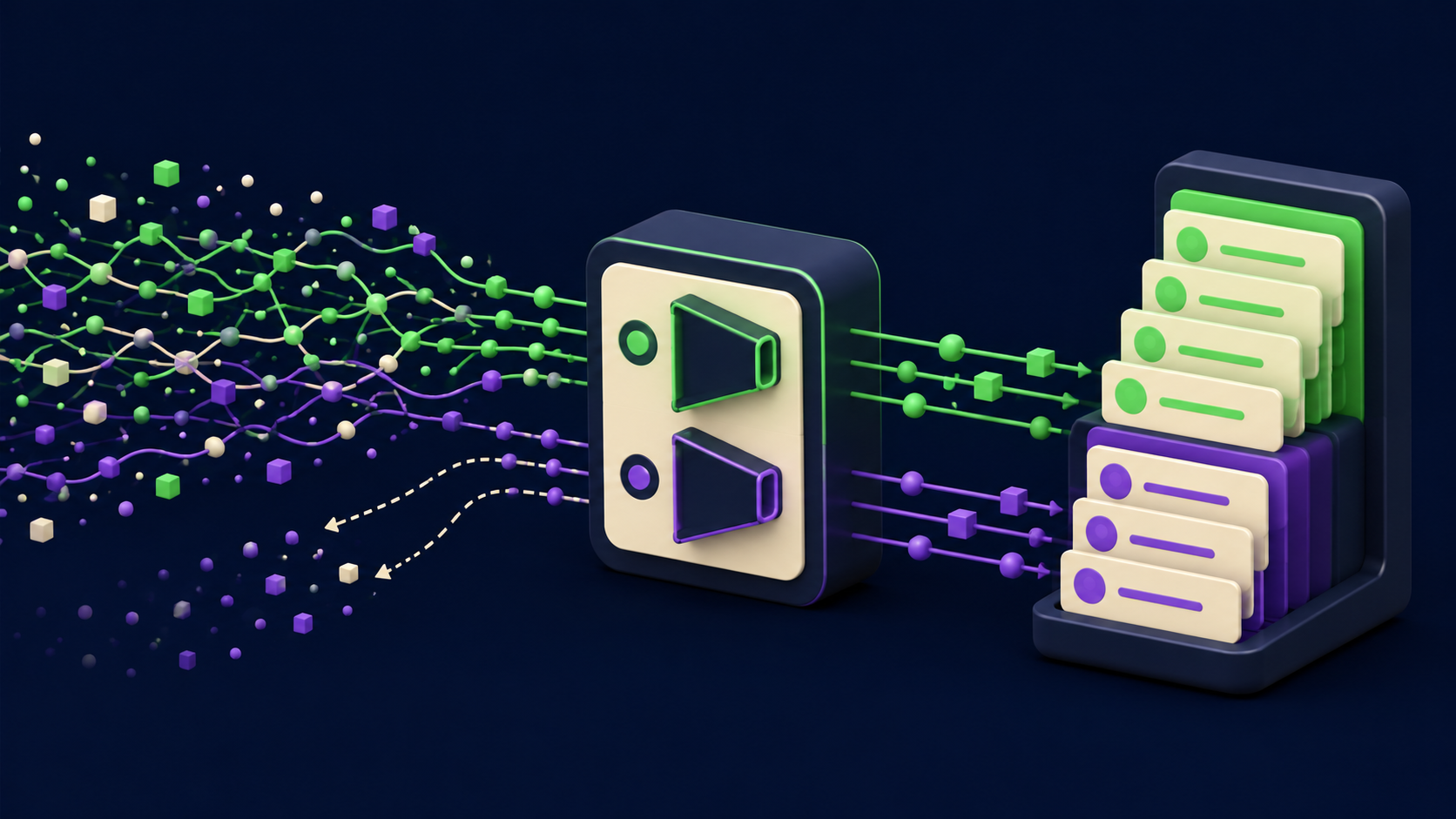
Signal-based outbound only works if the data pipeline is clean. This is where most teams underestimate the work. According to a Forrester Q1 2025 evaluation cited by OrbitShift, 50% of companies using B2B intent data report too many false positives, and some sales leaders describe 90% of intent triggers as useless. The noise problem is real and comes from two root causes.
First, IP-based intent matching breaks down with remote work and VPNs. When a company's employees work from home on consumer ISPs, their browsing activity does not register under the company IP, so intent signals from bidstream sources undercount real in-market accounts and misattribute noise to the wrong companies. ZoomInfo's own pipeline blog acknowledges IP matching limitations as a standing challenge.
Second, keyword-spike signals are broad. A company researching "sales automation" might be buying, might be writing a blog post, or might be a student doing a school project. Without firmographic and behavioral filters on top, the raw signal is not actionable.
The practical answer is to stack signals rather than act on any single one. A company that raised Series A funding AND has three open BDR roles AND whose CRO just changed is a materially better outbound target than a company that merely spiked on a category keyword. Tools like Clay are built for this: you pull multiple enrichment sources into one row per account, write a formula that scores the combination, and only route accounts above a threshold into your Lemlist or Salesloft sequence. That data plumbing, connecting sources, scoring combinations, and routing by freshness, is where the work actually lives. It is not a one-day setup, and it needs ongoing maintenance as data providers change their APIs and signal quality shifts.
For a deeper look at how Clay pulls and waterfalls enrichment data from multiple sources, see how Clay works. And for the full tool stack that connects signals to sequences, the full AI outbound stack covers the architecture from data ingestion to CRM sync. You can also browse the curated list of sales and outreach tools Vantaige tracks, with live tool pages for Clay, Apollo, Lemlist, Salesloft, and 6sense.
Common Mistakes Teams Make Running Signal-Based Outbound
Acting on a single signal without ICP filtering. A funding round at a five-person company that is not in your ICP is not a signal. Every trigger must be qualified against firmographics first, or your sequences fill with noise.
Missing the timing window. The freshness windows in the table above are not arbitrary. A job-change outreach sent on day 30 looks like any other cold email because the prospect has already settled in. Build your workflow so the signal triggers an enrollment within 24 to 48 hours, not when a rep manually reviews a weekly export.
Generic message even with a real trigger. "Congrats on your new role" with a pitch appended is not personalization. Reference a specific detail: the company they left, the challenge their new company faces, or the fact that their predecessor used your product. The trigger earns the outreach; the specificity earns the reply.
Using intent data as a solo qualifier. Third-party intent spikes (category research signals from 6sense or Bombora) have the highest false-positive rate of any trigger type. Use them as an additional score weight, not as the sole reason to send a sequence.
No CRM feedback loop. If your SDRs do not log which trigger fired for each opportunity, you cannot measure which signals drive pipeline versus noise. Without that data, you cannot improve the scoring model. This is the operational step most teams skip and the one that matters most at six months.
Rebuilding the signal layer manually. Spreadsheet-driven signal monitoring breaks fast. Scraping LinkedIn manually, checking Crunchbase daily, and copying rows into your CRM takes hours per rep per week and introduces lag that kills freshness windows. The architecture needs to be automated. For the agency and operator economics of building this kind of system as a service, see the 2026 AI automation rate card and the operator playbook for building and selling AI automations.
How This Connects to a Broader GTM Motion
Signal-based outbound is not a standalone tactic: it is the trigger layer of a full outbound system. Once a signal fires and qualifies an account, you still need enriched contact data, a personalized sequence, deliverability infrastructure, a handoff to a human rep for replies, and a CRM sync that closes the loop. Each layer has its own tooling and failure modes.
The teams getting the best results in 2026 treat signals as the input to an automated enrichment and routing workflow, not as a manual research task. A rep monitors a Slack alert, reviews a pre-enriched contact row, approves the AI-drafted first line, and the sequence fires. The rep's time is spent on conversations, not on building lists. That architecture is what the most profitable AI automation niches in 2026 are built around, and why outbound system builds are one of the highest-value consulting engagements available right now.
Tools worth knowing: Apollo.io for contact data and sequencing in one platform. Salesloft for enterprise sequence management with signal routing. Lemlist for multichannel sequences with image and video personalization. 6sense for account-level intent and predictive scoring. ZoomInfo for contact enrichment and Bombora intent co-data. Warmly for real-time website visitor deanonymization (name in plain text: no tool page yet on Vantaige).
For the operators building and selling these systems, the five industries most transformed by AI agents shows where outbound automation is already generating measurable pipeline.
Want your outbound system built for you?
Vantaige designs and builds done-for-you AI outbound: data, enrichment, personalization, sequencing, and CRM sync, wired into one system your reps actually use. Book a free outbound audit and we will find the revenue leaking from your pipeline.
Frequently Asked Questions
What is signal-based outbound?
Signal-based outbound is a cold outreach method where sequences fire in response to real-world trigger events at a prospect account, such as a funding round, job change, or hiring spike, rather than on a fixed schedule. The trigger provides both the timing and the hook for the message. Teams using this method report reply rates of 8 to 15%, compared to 1 to 3% for untriggered cold sequences, because the message arrives when the prospect has a concrete reason to care.
What is the difference between intent data and sales trigger events?
Intent data typically refers to third-party behavioral signals: anonymous browsing activity showing a company is researching a category of product. Trigger events are first-party or direct signals: a job posting published, a funding round announced, a tech stack change detected. Intent data tells you someone is probably in-market; trigger events tell you why. The most effective signal-based outbound stacks both, using intent data as a score weight and a specific trigger event as the message anchor.
How quickly should I act on a sales trigger?
Most triggers have a freshness window of 7 to 21 days. Job changes and competitor mentions decay in 7 days. Funding rounds stay warm for about 14 days. Hiring spikes and leadership changes allow a longer window of 30 to 90 days. After those windows close, the trigger no longer differentiates your outreach from generic cold email. Automated routing from your signal source directly into your sequence tool is necessary to hit the window consistently at scale.
Is intent data reliable enough to base outreach on?
Third-party intent data has a documented noise problem. Forrester's Q1 2025 evaluation found that 50% of companies using B2B intent data report too many false positives, and IP-based matching degrades significantly with remote work and VPN usage. The practical answer: do not act on intent spikes alone. Combine them with at least one additional firmographic or behavioral signal, apply a minimum account quality threshold, and track which signal combinations actually convert to pipeline so you can weight the scoring over time.
What tools do I need to run signal-based outbound?
The minimal stack has four layers: a signal source (Crunchbase, LinkedIn, BuiltWith, or an intent provider like 6sense or ZoomInfo), an enrichment and orchestration layer (Clay is the most flexible option for combining multiple sources), a sequence tool (Apollo.io, Lemlist, or Salesloft depending on your volume and complexity), and a CRM to close the feedback loop. Most teams also use a workflow automation tool to connect the layers without manual handoffs. The full architecture is covered in the AI outbound stack build guide linked in the body of this article.
How do I measure whether signal-based outbound is working?
Track four metrics by trigger type, not by sequence: reply rate, meeting booked rate, opportunity created rate, and opportunity won rate. Segment every opportunity by which trigger fired first. After 60 to 90 days, you will see which trigger types drive real pipeline versus which produce noise. Signals that create replies but no meetings suggest a message-angle problem; signals that produce meetings but no opportunities suggest an ICP problem. This feedback loop, tracked in your CRM per trigger, is what turns a first-pass signal system into a compounding one.
Related from Vantaige
How to build and sell AI automation services as an operator (2026 playbook)
2026 AI automation rate card: what operators charge for each service
AI agent use cases: 5 industries transformed by automation in 2025
References
Growleads, "Signal-Based Outbound: The Complete B2B Guide [2026]," reply rate benchmarks from 200+ client campaigns. https://growleads.io/blog/signal-based-outbound/
Autobound, "Signal-Based Selling: The Complete Guide (2026)," 18% vs. 3.4% reply rate comparison. https://www.autobound.ai/blog/signal-based-selling-complete-guide
Omnibound, "Buyer Intent Data Statistics (2026): 53+ Data Points on Signal Accuracy, Pipeline Impact, and Adoption," $4.5B market size, 15.9% CAGR. https://www.omnibound.ai/blog/buyer-intent-data-statistics
Lead411, "Why Most B2B Intent Data Is Wrong (And What Actually Predicts Buying Intent in 2026)," false positive rates and IP-matching limitations. https://www.lead411.com/blog/why-most-b2b-intent-data-is-wrong-and-what-actually-predicts-buying-intent-in-2026/
Get the best new AI tools and guides, weekly
One short email a week. The tools worth trying, the guides worth reading, nothing else.
No spam. Unsubscribe anytime.
Aymen B
Contributing writer at Vantaige, covering the AI tools ecosystem.
Similar articles

How to Build an AI Outbound Stack From Scratch: The Complete 2026 Playbook
Cold Email Deliverability in 2026: The Technical Guide That Actually Explains It