
Kit is the email marketing platform built for independent creators. It handles list growth, visual automation sequences, digital product sales, and paid newsletters, with a free plan that covers up to 10,000 subscribers.
Kit is an email marketing and audience monetization platform built specifically for independent creators: bloggers, podcasters, course sellers, coaches, and newsletter operators. Nathan Barry founded the company in 2013 as ConvertKit, growing it from a solo project to a bootstrapped business doing roughly $45 million in annual recurring revenue by 2025. On October 1, 2024, ConvertKit officially became Kit, with a new name, a rebranded domain at kit.com, and the launch of the Kit App Store. More than 600,000 creators use the platform, including high-profile names like James Clear, Tim Ferriss, and Arnold Schwarzenegger.
The platform centers on four capabilities: building and segmenting email lists, running visual automation sequences, selling digital products and paid newsletter subscriptions, and growing audiences through the Creator Network (a mutual-promotion system among Kit users). An AI subject line generator, added in late 2024, analyzes your email content and returns five subject line suggestions to improve open rates. The platform also connects to over 15 third-party apps in the Kit App Store, covering CRM, scheduling, community tools, and content repurposing.
What Kit writes in April 2026
Kit's primary content output is email, and the platform is built around getting that email opened and acted on. The visual automation builder lets creators design multi-step sequences triggered by subscriber behavior: joining a form, clicking a link, making a purchase, or reaching a tag threshold. Sequences can run for days or months, delivering content, sales pitches, and onboarding material without manual intervention. The platform supports A/B testing on subject lines, with Kit routing 15% of your list to each variant and automatically sending the winner to the remaining 70%.
Kit launched an AI subject line generator in 2024. It works by reading the body copy of your broadcast email and generating five contextually relevant subject line options. The tool requires a reasonably written email draft to function - sparse drafts return an error asking for more content. On paid plans, usage is unlimited; on the free plan, you get five uses to evaluate the feature. This is the full extent of Kit's AI capabilities at present. The platform does not offer AI-generated body copy, content outlines, or subject refinement beyond this single generator.
Beyond email, Kit creates landing pages (unlimited), subscription forms, and digital product checkouts. Creators can sell ebooks, courses, templates, and coaching packages directly through Kit Commerce, with Stripe handling payments and Kit managing product delivery and subscriber tagging on purchase. Paid newsletter subscriptions (monthly or annual billing) are handled natively, with Kit charging a 0.6% transaction fee on top of Stripe's processing costs.
The Kit App Store, launched with the October 2024 rebrand, extends content capabilities. Wordsmith converts YouTube video transcripts into newsletter drafts. KitBoard adds a CRM layer to the subscriber database. SavvyCal embeds booking widgets into emails. These third-party integrations sit alongside robust native connections to Shopify, Teachable, Thinkific, Gumroad, and Circle.
"Creating and scheduling a newsletter on ConvertKit is easy and intuitive. That's why I immediately fell in love with the platform." - creator, emailvendorselection.com review, 2026
Where Kit sits versus Beehiiv and Substack
The two most-compared alternatives to Kit are Beehiiv and Substack. They solve adjacent problems but with meaningfully different architectures and trade-offs.
Beehiiv was founded in 2021 by alumni of Morning Brew and built from day one as a newsletter-native platform. Its core structural difference from Kit is monetization model: Beehiiv takes 0% of paid subscription revenue (Kit takes 0.6%), and its built-in ad network connects publishers directly with premium advertisers. Kit's Sponsor Network, by comparison, requires 10,000+ subscribers, weekly send frequency, brand exclusivity, and Kit retains 23.5% of earnings. On pricing, Beehiiv is substantially cheaper at scale: 10,000 subscribers costs roughly $42/month on Beehiiv's Scale plan (annual) versus $135/month on Kit Creator. Beehiiv also includes AI writing tools in its Scale plan, letting users generate content ideas and optimize drafts - tools Kit doesn't match. Where Kit has an advantage: its visual automation builder is more mature and capable than Beehiiv's, and Kit's digital commerce features (checkout pages, product delivery, tip jars) are more developed. For SEO, Beehiiv posts are hosted on clean, crawlable URLs that index well on Google; Kit's email-first model has no comparable SEO infrastructure. Pairing Kit with a dedicated SEO tool like Surfer SEO is a common workaround for creators who want search visibility alongside email.
Substack is a publishing platform rather than an email marketing platform, and the distinction matters mechanically. Substack provides built-in reader discovery, comments, chat, and a social feed - none of which Kit offers. Substack charges 10% of paid subscription revenue (plus Stripe's ~3%), while Kit charges a flat monthly fee. The critical architectural difference is automation and integration: Substack has no public API and supports no integrations or automated workflows. Kit's API, combined with Zapier, Make, and App Store connections, means the platform can plug into nearly any tech stack. Data portability also differs significantly: Kit allows full export of subscribers, tags, automation state, and purchase history. Substack's export is limited to email addresses and basic metadata, making migration painful. Creators who want a community-forward platform where readers can interact and discover new writers benefit from Substack's network effects; creators who need a CRM-like control layer over their audience belong in Kit. Serious content writers often use Kit alongside a grammar tool like Grammarly before hitting send.
"I already love it! My email list grew to over 100+ subscribers in less than 1 month with the help of the ConvertKit Creator Network." - creator via emailtooltester.com review compilation, 2024
What real users keep hitting
The most consistent frustration across reviews and forum discussions is the analytics paywall. Basic open and click rate reporting is available on all plans. But the Insights dashboard - which shows deliverability trends, subscriber engagement scoring, and per-automation performance - is locked to the Pro plan ($66/month+ annually). Creator plan users are effectively flying blind on deliverability, which is a real problem when pricing at that tier has climbed steeply.
The September 2025 price increase is the second dominant complaint. Kit raised prices for the first time in 12 years on September 8, 2025. The Creator plan went from $29/month to $39/month at 1,000 subscribers (monthly billing); existing users had until October 15, 2025 to transition. For context: the legacy convertkit.com Trustpilot page sits at 1.8 out of 5 stars, with 53% one-star reviews largely concentrated after the pricing change. The kit.com profile holds 4.0/5 separately. Many of these negative reviews come from smaller creators whose monthly cost doubled with no new features introduced at the same time.
The email editor draws criticism for being clunky and visually limited. Kit ships with 15-23 free email templates; additional designs cost $19-$39 in the marketplace. Competing platforms like Beehiiv offer a more modern drag-and-drop experience. For creators who want polished branded newsletters rather than clean-text emails, this is a real limitation. Pairing Kit with a writing assistant like Copy.ai can help speed up draft creation before you move it into Kit's editor.
Deliverability on shared IP pools is an unresolved concern in community discussions. Some users report email landing in spam on shared IPs and receiving support responses that attribute the issue to list quality rather than infrastructure. Dedicated IPs are not available as a standard plan feature.
Finally, the AI feature gap is increasingly visible as competitors expand their AI capabilities. Kit's subject line generator is functional but narrow. Users who want AI-assisted writing, content ideation, or copy refinement - the kinds of features that Jasper covers for long-form marketing content - will need to bring separate tools to the workflow.
Where Kit earns its place
The Creator Network is a genuine differentiator. When a creator recommends your newsletter, new subscribers are added to your Kit list automatically. The system is built into the platform rather than a third-party add-on, and it compounds over time as your own recommendations generate reciprocal returns. Creators report list growth from the network without paid acquisition - a rare form of organic distribution for email lists.
The visual automation builder is the strongest in its class at the price point. Multi-step sequences, conditional branching based on subscriber behavior (link clicks, purchases, tag assignments, form submissions), and time-delay logic can be configured without code using Kit's drag-and-drop interface. This is what separates Kit from simpler newsletter tools like Substack and makes it genuinely useful for creators running complex product funnels.
Commerce and email in a single account is a meaningful convenience for solo creators. A blogger can sell a $47 template, automatically tag the buyer, enroll them in an onboarding sequence, and exclude them from future sales emails for that product - all in one platform. This is the workflow Kit was designed for, and it works. For creators who also need help writing the sales copy for those products, pairing Kit with Notion AI for draft ideation is a common workflow.
The free plan is genuinely useful. Up to 10,000 subscribers with unlimited email broadcasts, landing pages, and basic segmentation at no cost is competitive with any ESP on the market. For early-stage creators who haven't monetized yet, Kit free is a solid starting point that doesn't require a platform migration later.
Who should and shouldn't use Kit
Kit is the right tool for solo creators and small creator businesses with fewer than 25,000 subscribers who sell digital products, courses, or paid newsletters, and who need automation that goes beyond simple welcome sequences. Coaches, educators, bloggers, and podcasters building an email-first audience with a direct revenue stream get the best return from the platform. The commerce and automation combination is hard to replicate elsewhere at this price range.
Skip Kit if you are building a newsletter as a media product where ad revenue is your primary monetization model. Beehiiv's ad network is more accessible, its pricing is lower at scale, and it takes nothing from subscription revenue. Skip it also if you're primarily a writer who wants reader community features - Substack's comments, chat, and discovery engine serve that use case better. Ecommerce businesses with complex inventory and purchase-history-based behavioral triggers should look at Klaviyo instead. And if AI-powered content generation in the writing interface itself is important to your workflow, Kit's single subject-line generator won't be enough - you'll need a dedicated tool alongside it.
The September 2025 price increase narrowed Kit's value window for smaller creators. The platform still earns its keep for creators who actively use commerce, automation, and audience growth features. But creators who only use Kit as a broadcast email sender with basic sequences may find Beehiiv or MailerLite deliver 80% of the value at a fraction of the cost. The honest framing is: Kit pays for itself if you sell things to your list. It's hard to justify if you don't.
User Reviews
No reviews yet. Be the first to share your experience!
Sign in to write a review.
Related articles
Guides and articles related to Kit.

How to Build an AI Newsletter to 10k Subscribers in 90 Days (2026)

Build and Sell AI Automations as a Service: The Operator Playbook (2026)
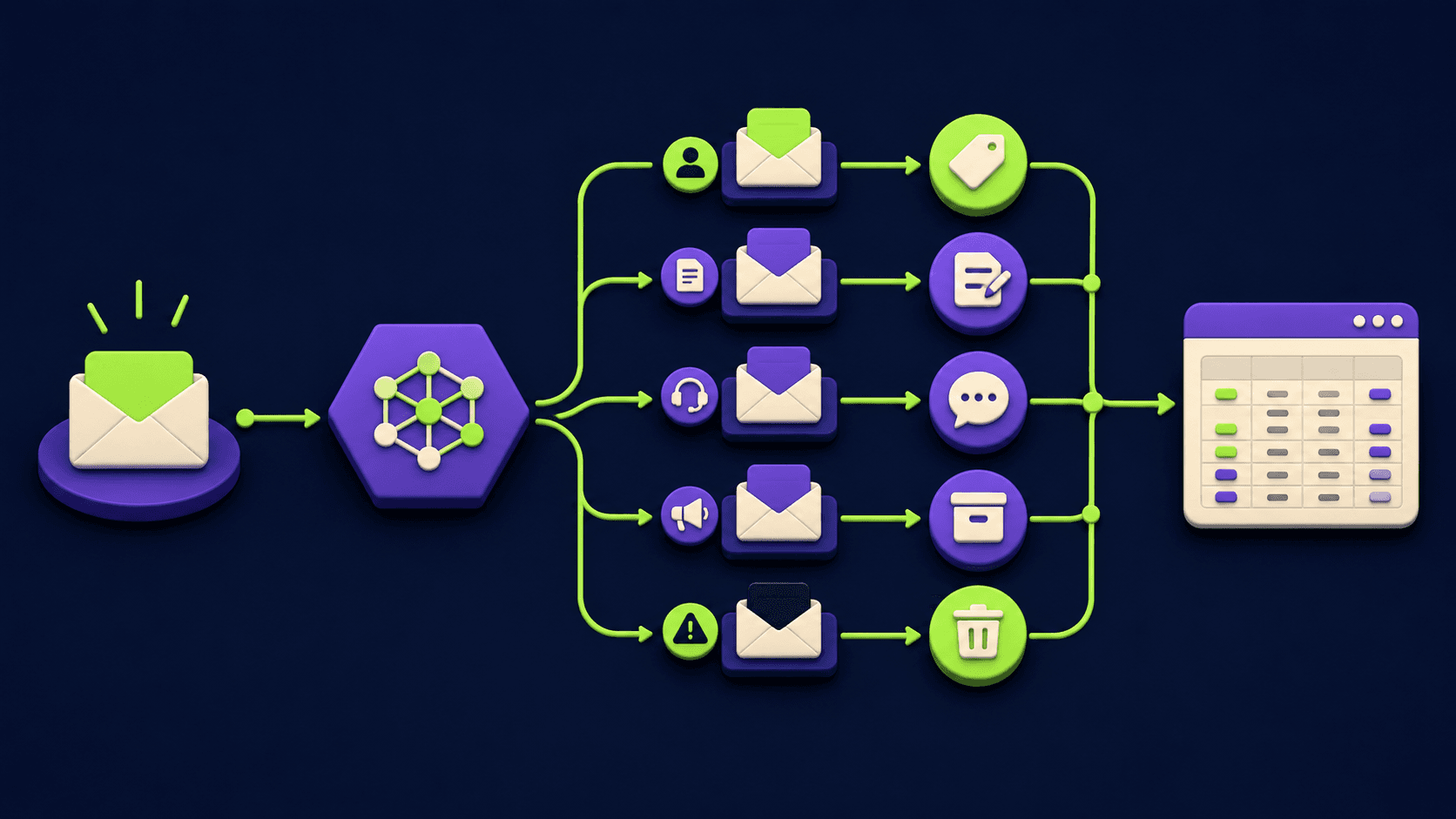
The AI Inbox Triage That Gives Owner-Operators 5 Hours Back a Week (2026)
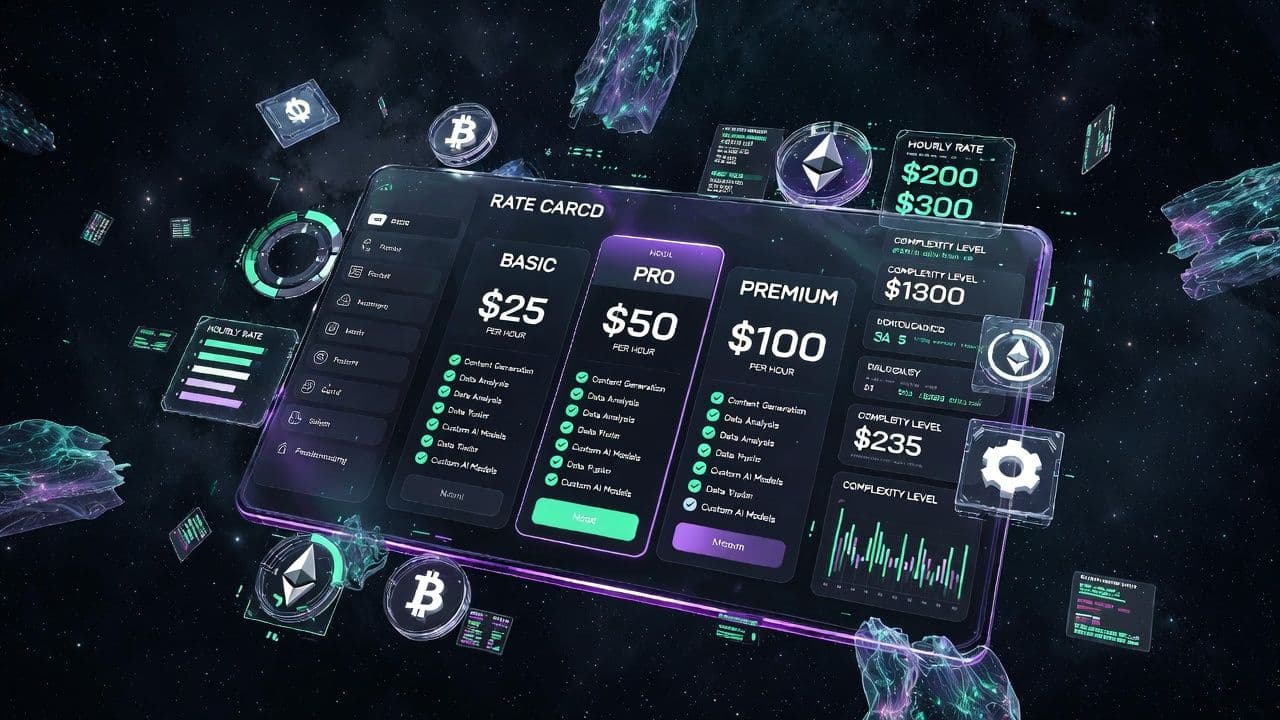
The 2026 AI Automation Rate Card: What Operators Actually Charge

15 AI Agent n8n Workflows You Can Build This Weekend (2026)