
SEMrush is a comprehensive digital marketing platform covering keyword research, backlink analysis, site auditing, content creation, and AI visibility tracking across ChatGPT and Google AI. Used by 10 million professionals worldwide, starting at $129.95 per month.
SEMrush is a digital marketing platform founded in 2008 by Oleg Shchegolev and Dmitry Melnikov, built around a core problem that every online business faces: understanding how competitors get traffic and replicating what works. Now publicly traded on NYSE (ticker: SEMR) and used by more than 10 million professionals, it has expanded from a keyword research tool into a full-stack suite covering SEO, paid search intelligence, content production, social media tracking, and, since October 2025, AI visibility monitoring across large language models. In March 2025, Bill Wagner succeeded Shchegolev as CEO, with the co-founder moving to Chief Technology Officer.
The platform operates across four core areas: the SEO Toolkit (keyword research with 26.4 billion keywords, backlink analysis covering 43 trillion links, technical site auditing, and rank tracking), the Content Toolkit (ContentShake AI for AI-generated SEO articles, SEO Writing Assistant for real-time draft scoring, and an AI Content Marketplace), the Advertising Toolkit (competitor PPC data, ad copy analysis, and an Ads Launch Assistant), and the new Semrush One AI Visibility layer (tracking brand presence in ChatGPT, Perplexity, Gemini, and Google AI Overviews with a 90-million-prompt dataset). Businesses pair SEMrush's research depth with dedicated writing tools like Jasper or Scalenut for high-volume content production, or use it alongside content optimization tools like NeuronWriter and SEO Content AI for on-page scoring.
What SEMrush writes and creates in April 2026
The ContentShake AI tool, now rebranded as part of the Content Toolkit, handles the full article production workflow. Enter a target keyword, and the system analyzes competitor SERP positions, extracts topic clusters, and generates a structured brief with suggested headings, recommended terms, and estimated word count. From that brief, the AI Article Generator produces a draft article, which can be edited inside the ContentShake interface or exported to WordPress automatically. The April 2024 "Extra SEO Boost" update added real-time Google SERP analysis during generation, giving each draft SERP-aligned structure based on current top-ranking pages rather than a static template.
The SEO Writing Assistant operates differently: it scores existing content in real time as you write, integrating as a sidebar inside Google Docs, WordPress, or the Semrush dashboard. It grades content across four dimensions: readability (Flesch score range), SEO coverage (keyword presence and semantic terms drawn from top-10 SERP results), tone of voice consistency, and originality (built-in plagiarism check). The Smart Writer rephrasing feature lets you select any passage and instruct the AI to rephrase, simplify, expand, or summarize. Teams producing editorial content often run drafts through LongShot for factual claims and then SEO Writing Assistant for SERP alignment before publishing.
The AI Content Marketplace pairs brands directly with vetted human writers who are briefed using SEMrush's keyword data, producing content at volume while keeping human editorial judgment in the loop.
"If you need a reliable tool for traditional SEO work and you want to track your brand's performance in AI search results, I think Semrush One is worth trying." - Victoria Kurichenko, SEO writer and 7-year Semrush user, selfmademillennials.com, 2026
Where SEMrush sits versus Ahrefs and Surfer SEO
The comparison that matters most for SEO professionals in 2026 is the three-way tradeoff between SEMrush, Ahrefs, and Surfer SEO, each of which dominates a different part of the workflow.
SEMrush vs. Ahrefs: Ahrefs has a larger index of referring domains (500 million) compared to SEMrush's 390 million, and Ahrefs includes click-through rate estimates per keyword, a metric SEMrush lacks. However, SEMrush indexes more raw backlinks (43 trillion vs. 35 trillion) and wins decisively on breadth: Ahrefs has no native content creation toolkit, no PPC competitive intelligence, and no AI visibility monitoring. Ahrefs starts at $129/month (Lite plan) versus SEMrush's $139.95 Pro. Teams whose primary work is backlink prospecting and technical SEO often prefer Ahrefs' depth. Teams running cross-channel digital marketing at agency scale choose SEMrush for the unified dashboard.
SEMrush vs. Surfer SEO: Surfer's NLP Content Editor is architecturally different from SEMrush's Writing Assistant. Surfer analyzes the NLP term distribution across the top-ranking pages for a query, then produces a Content Score based on how thoroughly a draft covers those terms, estimated word count, and heading structure. SEMrush's Writing Assistant covers the same territory but places more emphasis on keyword density, readability, and originality scoring. Surfer has no backlink index, no keyword research beyond the brief context, and no technical audit. Surfer pricing runs $89-$399/month. Many agencies combine Surfer for on-page optimization alongside SEMrush for research, treating them as complementary rather than alternatives. Content-focused teams who primarily want that NLP scoring loop often find Surfer's tool more granular; teams that need full-funnel marketing data stay in SEMrush. Writers who specialize in SEO content often use SEO Content AI or NeuronWriter as Surfer alternatives.
"Traffic analysis if not connected to GSC or analytics is wrong af." - Reddit user, r/SEO, cited in bloggingx.com review, 2025
What real users keep hitting
The most consistent complaint in 2025-2026 reviews is billing and cancellation friction. SEMrush has no direct cancel button in the account dashboard; cancellation requires contacting customer support, which users report routes through upsell attempts before processing the request. Trustpilot shows a 2.1/5 rating from 1,222 reviews, nearly all the negative reviews concentrated around unexpected charges after free trials, refused refunds, and slow billing support. The BBB rating is D-. This is a documented operational pattern, not an occasional outlier.
Traffic estimation accuracy is the second recurring technical complaint. Semrush's organic traffic estimates for individual sites run 30-43% below Google Search Console figures in independent tests. The platform presents these as estimates and the gap is an industry-wide issue with third-party SEO tools, but SEMrush's figures are cited more often than Ahrefs' as diverging from actuals on smaller or newer sites.
The learning curve is real. The platform contains more than 50 distinct tools across five toolkits, and multiple reviews note that reaching specific reports requires 3-5 navigation steps. Beginners report needing two to four weeks of regular use before the platform feels navigable. The June 2025 UI redesign improved visual organization but did not materially reduce the click depth to core reports.
Seat limits are a friction point for teams. Each plan includes one user seat, with additional seats costing extra. For agencies with multiple analysts needing concurrent access, this adds meaningfully to the effective cost.
Where SEMrush earns its place
The keyword intelligence layer is genuinely hard to replicate elsewhere at this scale. The Keyword Magic Tool covers 26.4 billion keywords with intent classification, keyword clustering, trend analysis, and Keyword Difficulty adjusted to your domain's specific topical authority rather than as a generic metric. The Keyword Gap tool identifies keyword clusters where competitors rank but you do not, structured as a ready-to-prioritize content roadmap.
For PPC teams, the Advertising Toolkit provides competitor ad copy archives, estimated ad spend per domain, and keyword overlap analysis between organic and paid SERP positions. No other tool in this price range combines organic and paid competitor intelligence in one place.
The October 2025 Semrush One AI Visibility launch introduced a capability that has no direct equivalent in Ahrefs or Surfer: tracking how often a brand appears in AI-generated answers across ChatGPT, Perplexity, Gemini, and Google AI Overviews. The 90-million-prompt dataset surfaces which queries trigger AI citations of competitors, allowing content teams to target topical gaps in AI-readable formats. Before launch, Semrush ran this on its own brand and tripled its AI share of voice in a single month.
The ContentShake AI and SEO Writing Assistant workflow is cohesive enough for content teams to use as their primary production pipeline. The brief-to-draft-to-scoring loop runs without leaving the platform, and the automatic WordPress publishing removes the manual export step. Teams producing 20-50 SEO articles per month find this particularly useful, especially compared to standalone AI writers like Jasper that require importing external keyword data.
The platform's scope also creates practical economies for agencies that previously subscribed to separate tools for keyword research, backlink monitoring, rank tracking, PPC analysis, and content scoring. Consolidating into one Semrush subscription at $499.95/month often replaces $800-1,200/month in fragmented tool spend. The tradeoff is accepting SEMrush's estimates where a dedicated specialist tool might be more precise, but for teams that need adequate depth across all channels rather than best-in-class on one, the consolidation case is straightforward.
Who should and shouldn't use SEMrush
SEMrush is built for digital marketing teams operating at agency scale or in-house at companies where SEO, content, and paid search need to run from a single source of truth. Agencies tracking 15-40 client domains, in-house marketing teams managing cross-channel campaigns, and brand managers who need to report on AI search visibility alongside traditional rankings get the most from the platform's breadth. The Business plan's API access makes SEMrush the logical data layer for teams building custom SEO dashboards or automating reporting pipelines.
Skip SEMrush if your primary need is pure backlink analysis: Ahrefs' referring domain index is larger and its CTR data is more complete. Skip it if you only need NLP-driven on-page scoring: Surfer SEO's Content Score is more granular for that specific workflow. Skip it if you are a solo blogger or freelancer with a budget under $100/month: the minimum Pro plan at $139.95 delivers more capability than most individual sites can actually use, and free tools from Google combined with a lower-cost research tool cover the same basics. Skip it if you cannot tolerate friction around cancellation: the billing complaints are too consistent and too well-documented to dismiss as edge cases.
User Reviews
No reviews yet. Be the first to share your experience!
Sign in to write a review.
Related articles
Guides and articles related to SEMrush.
AI SEO Content at Scale: Publish 20 Posts a Month Without Hiring Writers
AI Content Quality Control: How to Avoid Publishing AI Slop
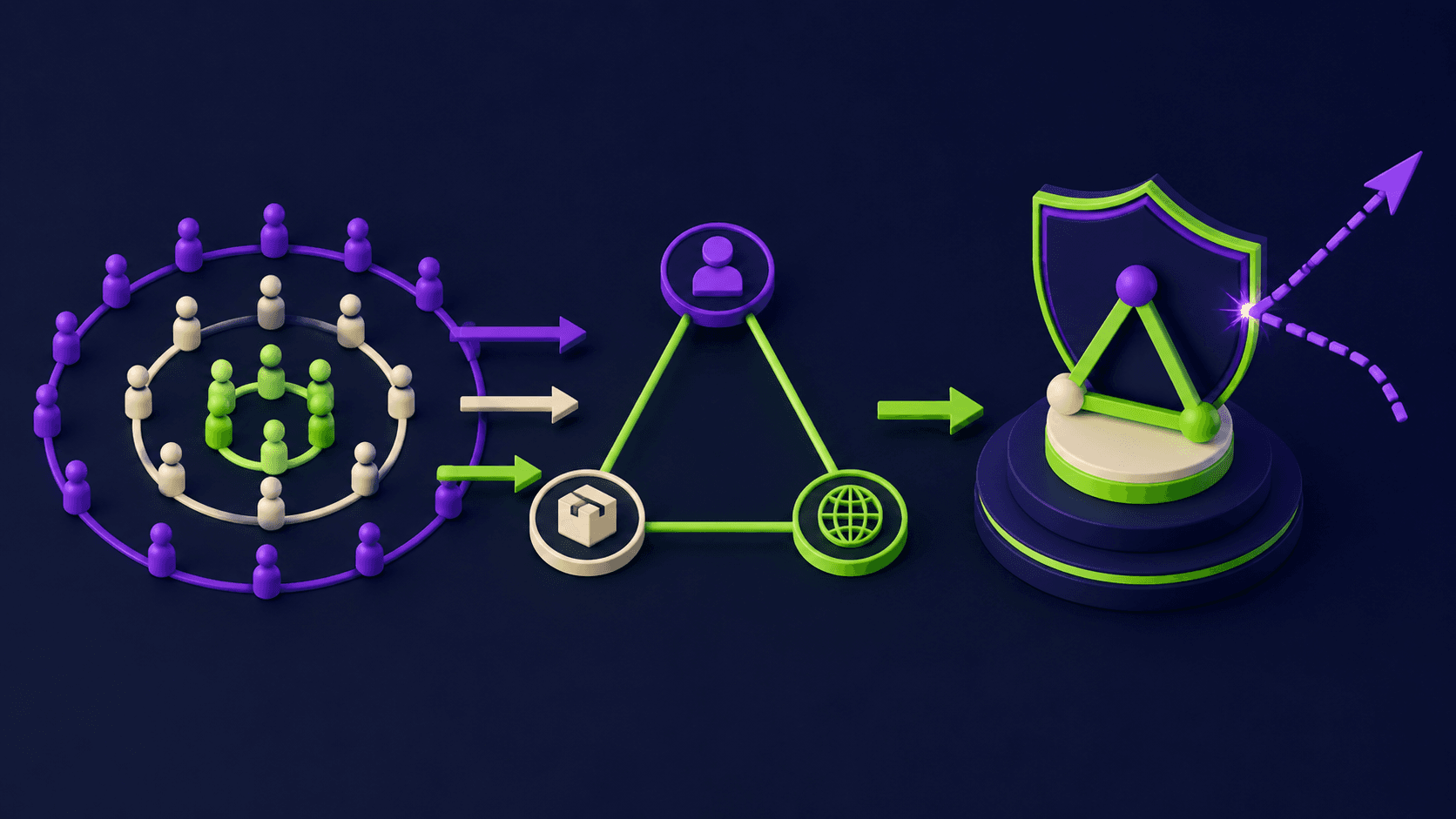
TAM SAM SOM Market Sizing With Perplexity: The Sourcing Pattern That Survives Pushback (2026)
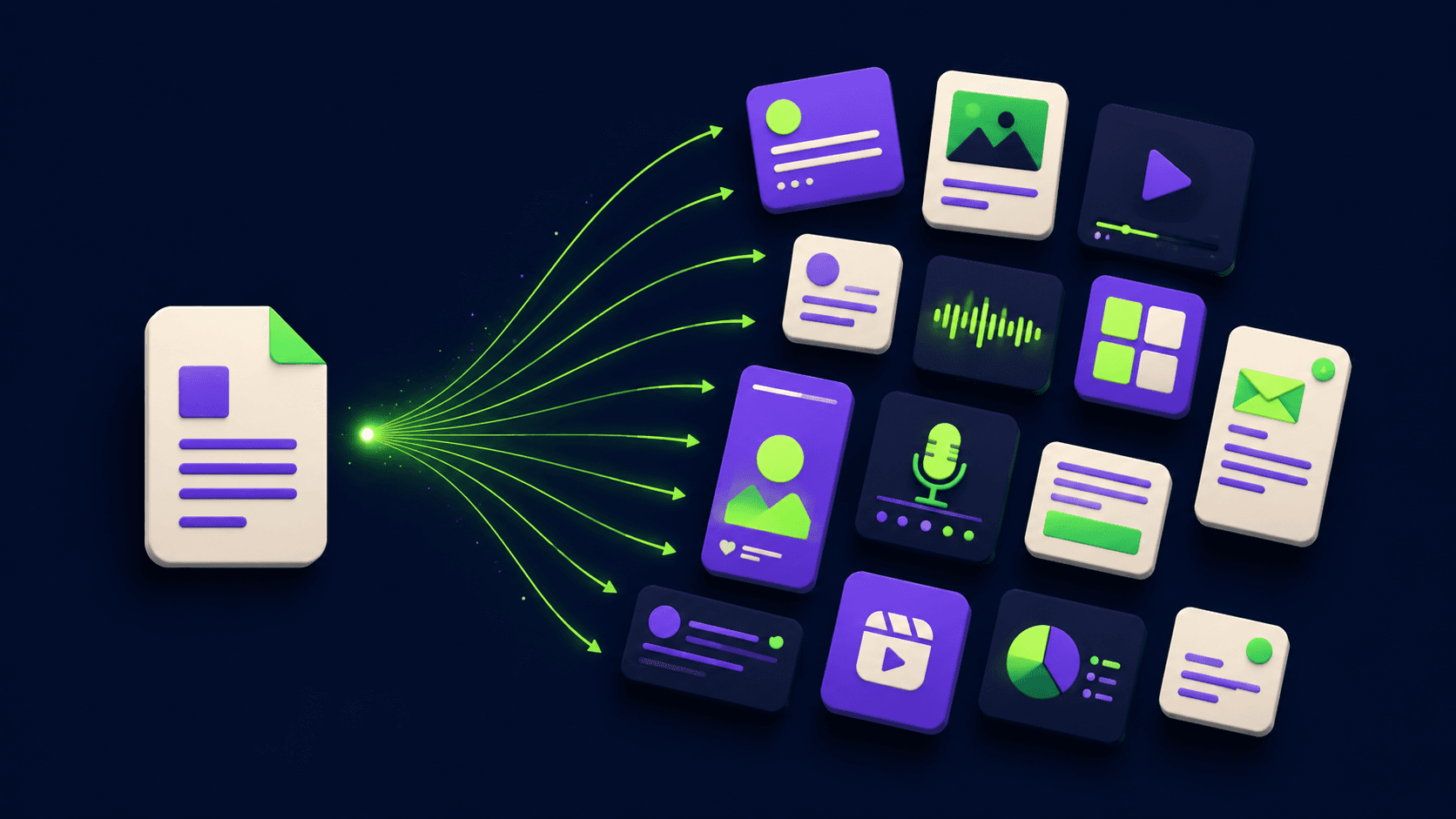
How to Repurpose One Blog Post Into 30 Pieces With AI (The Step-by-Step System)
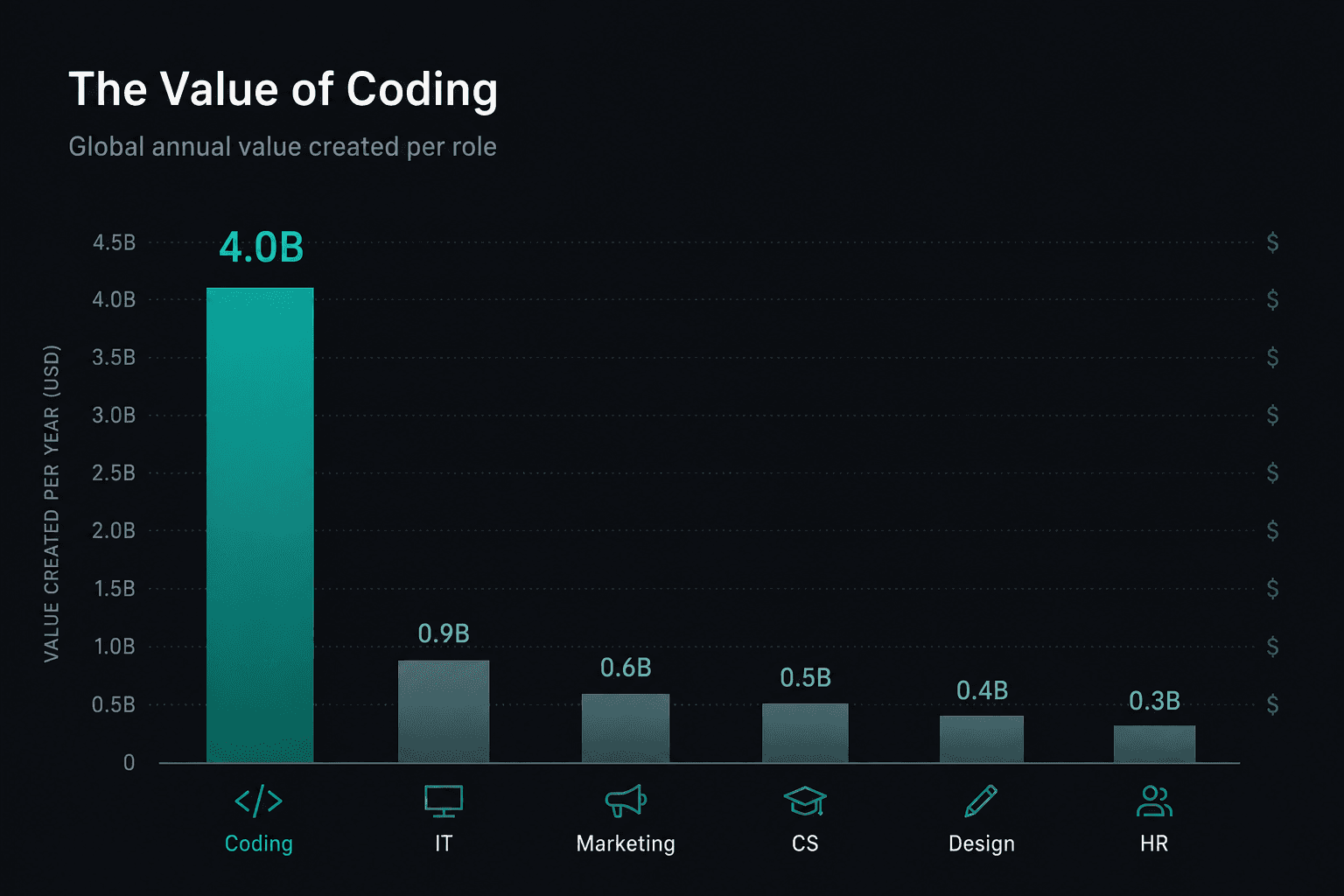
Coding Ate Enterprise AI (2026): The $4B Use Case, Anthropic’s Share, and Seat vs API Math