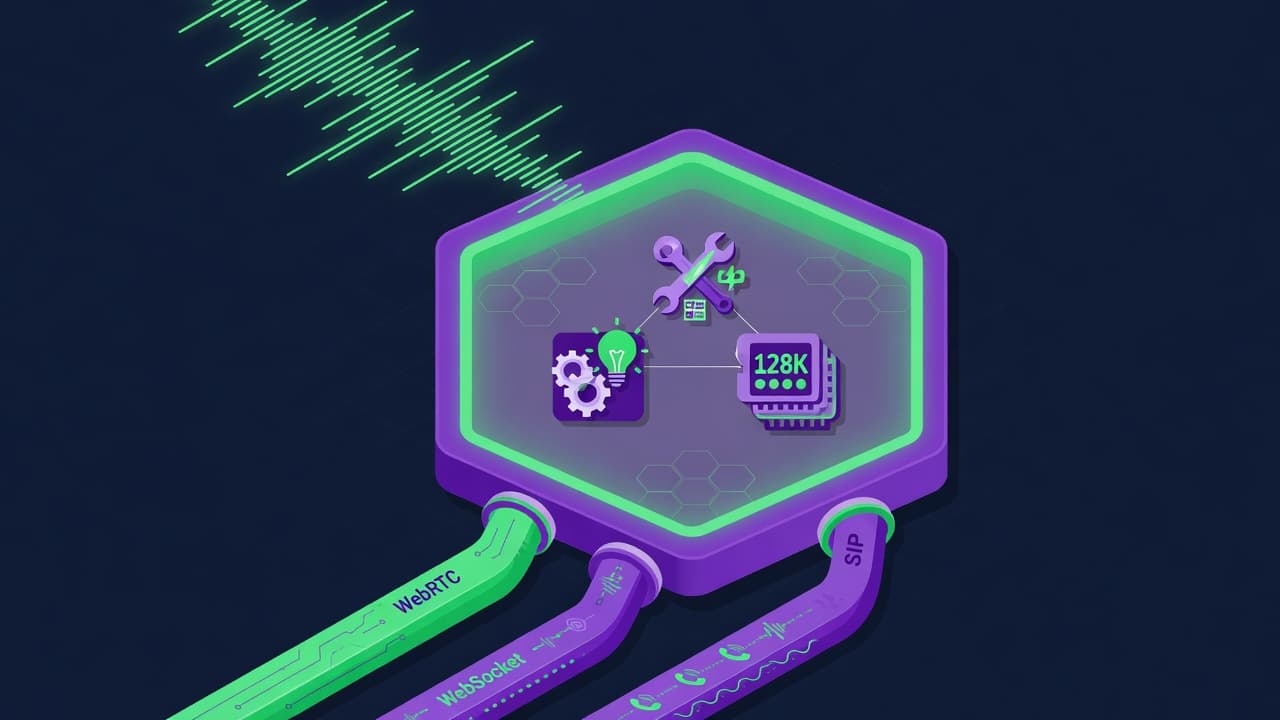

Voiceflow is a visual AI agent builder for product teams and enterprises. Its collaborative canvas lets designers, PMs, and engineers co-build multi-turn chatbots and voice assistants without writing code, then deploy them directly to web chat and telephony channels.
Voiceflow is a Toronto-based platform founded in 2018 for building, testing, and deploying conversational AI agents across chat and voice channels. Built by Braden Ream and his co-founders, it evolved from an Alexa skill prototyping tool into a full-scale AI agent platform used by BMW, Amazon, JP Morgan, Home Depot, Spotify, Vodafone, Allstate, and Cisco. The core problem it solves is the gap between AI capabilities and the cross-functional teams who need to own them: most enterprise AI agent work gets bottlenecked by developer queues because non-technical collaborators have no real tooling. Voiceflow is the canvas where conversation designers, product managers, QA teams, and engineers can all work in the same space.
The platform centers on a drag-and-drop block canvas for building multi-turn dialog flows with conditional branching, API call steps, and user input collection, no coding required for the majority of use cases. Its knowledge base layer accepts uploaded documents and URLs for RAG-based responses via GPT-4o, Claude, Gemini, or Llama with no vendor lock-in. A Dialog Management API enables programmatic agent creation for teams embedding Voiceflow into their own pipelines. Agent publishing with versioning lets teams push and roll back deployments without rebuilding from scratch. Telephony support runs through Twilio and Amazon Polly for voice-channel deployments. Built-in analytics track conversation transcripts, drop-off points, and agent performance in real time.
What Voiceflow actually does in May 2026
The builder works on a visual canvas where each step in a conversation is a draggable block: speak, listen, condition, API call, set variable, send to knowledge base, or hand off to a human agent via webhook. Flows can branch based on user intent, entity extraction, or API response values. Teams build agents that range from simple FAQ deflectors to multi-step workflows that look up order status, authenticate users, update CRM records, and escalate edge cases to human support queues.
Voiceflow's knowledge base component accepts PDFs, URLs, Notion pages, and plain text. Uploaded content is chunked and embedded, and the platform routes user queries to the knowledge base before falling back to hardcoded flows. Teams can tune confidence thresholds and define what the agent does when retrieval fails. Multiple LLM backends (OpenAI, Anthropic, Google, Meta's Llama) are available per step, so compliance-sensitive enterprises can route certain queries to on-premises or private-cloud models while using GPT-4o for general responses.
The collaboration layer is Voiceflow's most distinctive feature. Multiple editors can work on the same canvas in real time, with version history, comment threads on specific blocks, and role-based permissions to prevent a junior contractor from breaking a production flow. Agent publishing and versioning mean a team can test a new knowledge base version alongside the live one, then promote or roll back with one click. This is the dynamic that earned Voiceflow comparisons to Figma for conversation teams.
"It's rare to find a voice prototyping tool that lets our design, dev, and QA teams iterate together in real time. Voiceflow basically gives us Google Docs for conversation design." - Anonymous reviewer, G2, 2024
For voice channels specifically, Voiceflow integrates with Twilio for telephony and Alexa Skills Kit and Google Actions for smart speaker deployment. The platform handles IVR-style routing, DTMF input, speech-to-text via third-party providers, and text-to-speech output. Enterprise deployments at companies like BMW used this voice layer for in-car assistant prototyping before handing off to engineering for series production builds. BMW's team credited Voiceflow with cutting voice dialog prototyping time by 50% while enabling high-fidelity, user-testable prototypes with their actual IPA (Intelligent Personal Assistant) dialog structures.
Where Voiceflow sits versus Botpress and Chatbase
The three platforms occupy genuinely different positions, and picking the wrong one creates real friction later.
Botpress is open-source (MIT license) and self-hostable, targeting developers first. It supports 10+ channels natively including WhatsApp, Telegram, Instagram, Slack, and SMS, plus built-in live agent handoff and 50+ direct integrations. According to Botpress's 2025 community survey, 68% of active users are software engineers or DevOps engineers. Voiceflow natively supports only web chat and telephony; other channels require custom API development. The tradeoff: Botpress requires developer involvement to build complex flows, while Voiceflow keeps product managers and designers in the loop via the canvas. If your team is predominantly engineers needing self-hosting or open-source licensing, Botpress is the better fit. If your team is mixed and flows need to be readable by non-technical stakeholders, Voiceflow wins.
Chatbase operates on a fundamentally different model: there is no visual flow builder at all. You upload a document or paste a URL, and Chatbase generates a GPT-powered chat widget trained on that content. Setup takes under 10 minutes. It suits teams that want a knowledge-base chatbot deployed quickly and have no need for conditional branching, multi-turn state management, custom variable collection, or voice support. Chatbase handles 5 channels natively (Website, Facebook, Instagram, WhatsApp, Slack) and charges per message rather than per seat. For a basic FAQ bot or document Q&A widget, Chatbase is faster and cheaper. For anything involving conversation logic, user authentication flows, CRM lookups, or telephony, Voiceflow is required.
Voiceflow's CEO Braden Ream has framed the platform explicitly against legacy alternatives: the company positions itself as a replacement for "the horrific developer experiences offered by legacy platforms like Dialogflow, IBM Watson, and AWS Lex," which require intent/entity definition upfront and code-heavy Google Cloud or AWS integration. Voiceflow's LLM knowledge base handles unstructured queries without manual NLU training, which is the central technical improvement over Dialogflow's architecture for most use cases.
What the build-and-test reality looks like
For a mid-sized customer support team, a typical Voiceflow build starts with the conversation designer mapping the key intents (order status, return requests, account issues) as flows on the canvas. Each flow gets its own branch with API call steps pulling from the team's existing REST APIs or Zapier connections. The knowledge base layer handles the long tail of one-off questions that would otherwise require dozens of hardcoded flows. The PM reviews the canvas directly, adds comment annotations on specific blocks, and approves changes without needing to read code or tickets. QA tests flows using the built-in simulator, which covers the happy path and basic fallback scenarios. The engineering team integrates the deployed agent via the web chat widget or the Dialog Management API into the company's existing web app or CRM.
Where this workflow gets bumpy is in production edge cases. Testing is block-by-block, visual, and shallow: there is no global conversation timeline to trace an issue across a 30-step nested flow. Voice testing has no waveform visualization, no interruption simulation, and no latency simulator. In large, complex builds, the canvas itself begins to lag.
"What I like best about Voiceflow is how easy it makes building conversational flows, even if you're not deeply technical. I used it for a client project where we needed to design a simple chatbot flow, and the visual builder really helped me map everything clearly. Instead of writing complex code, I could just drag, connect, and organize the conversation step by step." - Anonymous reviewer, G2, 2024
The August 2023 platform expansion (tied to the $15M funding round led by OpenView Venture Partners) shipped agent versioning, conversation transcript analytics, and the Dialog Management API simultaneously. This shift moved Voiceflow from "design and prototype" into "design, deploy, and observe" territory, driving nearly 3x year-over-year enterprise revenue growth through 2023. Turo built a multilingual support agent with 82% user satisfaction in two months; StubHub International launched a production AI support agent in 90 days.
Where Voiceflow breaks: frustrations that keep appearing
Per-seat pricing is the most consistent pain point for teams. Each additional editor on Pro or Business costs $50/month. A five-person team on Business pays $350/month in seats before consuming a single credit. Testing consumes from the same credit pool as production, with no sandbox or test-mode credit separation, which means active iteration eats into production budget.
Voice latency is a structural limitation. Voiceflow depends on third-party speech synthesis and audio routing providers (Twilio, Amazon Polly). Round-trip latency in realistic voice deployments regularly exceeds 600-700ms, which creates awkward pauses in live conversations. There are no native prosody controls, no emotional tuning, and no intonation adjustment tools. Voice agents built on Voiceflow sound flat compared to platforms built natively for voice. Users building IVR replacements for sales or high-stakes support scenarios consistently run into this ceiling. Related tools like Synthflow or Voiceglow are sometimes used to complement or replace Voiceflow's voice layer for latency-sensitive deployments.
Specific integration bugs appear repeatedly in community threads: Twilio voice calls fail to capture custom variables (user ID, name, urgency level); only the SID and phone number are returned reliably. Conversation transcript export to Google Sheets returns only the initial message rather than the full thread. The interface slows significantly on flows with deeply nested blocks.
Support access is tiered: lower-plan users have no live chat or ticketing system, only community forums and documentation. Enterprise accounts get 1-on-1 onboarding and priority support; everyone else waits.
Who Voiceflow is built for
Voiceflow is the right choice for product teams at mid-to-large companies building customer support automation, internal operations bots, or omnichannel conversational experiences where the design, product, and engineering functions all need to be in the loop. It particularly suits teams that want multi-LLM flexibility without vendor lock-in, including the ability to run GPT-4o on general queries, Claude on sensitive data, and a local Llama instance for offline use cases is a real operational advantage.
Agencies building and white-labeling AI agent products for clients get a lot of leverage from Voiceflow's multi-client workspace management and white-labeling tools. The ability to manage multiple client accounts from one interface, control branding per deployment, and hand off with permissions is purpose-built for agency workflows. Dify and ManyChat serve some overlap here, but neither matches Voiceflow's canvas-based flow complexity for high-stakes multi-turn deployments.
Skip Voiceflow if your team is primarily developers who want open-source self-hosting: Botpress is the better answer. Skip it if you need more than 10 channels without building API connectors manually. Skip it if your voice application demands sub-400ms latency, as Voiceflow cannot reliably hit that. Skip it if you need a fast, basic knowledge-base widget deployed in under an hour: Chatbase is simpler and cheaper for that use case. Skip it if per-seat pricing is a budget constraint for a team larger than three or four people.
At the enterprise tier, Voiceflow has proven itself at BMW (50% reduction in voice prototyping time), Turo (82% user satisfaction on a multilingual support agent), and StubHub International (production deployment in 90 days). These outcomes are not flukes. They reflect what Voiceflow is genuinely strong at: rapid iteration on complex conversation designs by non-developer stakeholders, with enough API depth for engineers to wire into real production systems.
User Reviews
No reviews yet. Be the first to share your experience!
Sign in to write a review.
Related articles
Guides and articles related to Voiceflow.

How to Sell AI Chatbots to Local Businesses ($1K-$5K Retainers, 2026)
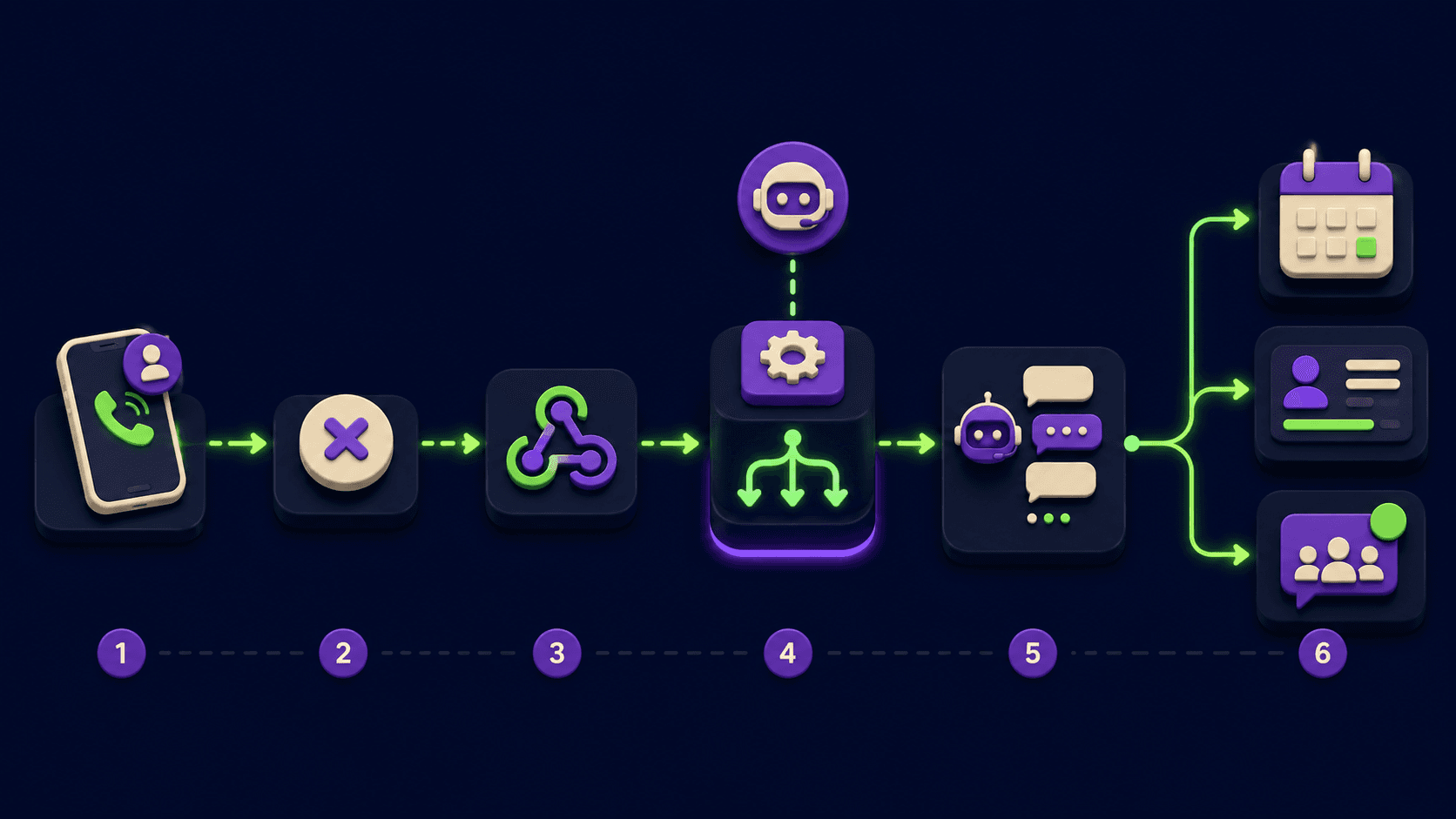
Voice Agent for Missed Calls: Every Service Business Is Bleeding Leads After Hours (2026)

15 AI Agent n8n Workflows You Can Build This Weekend (2026)
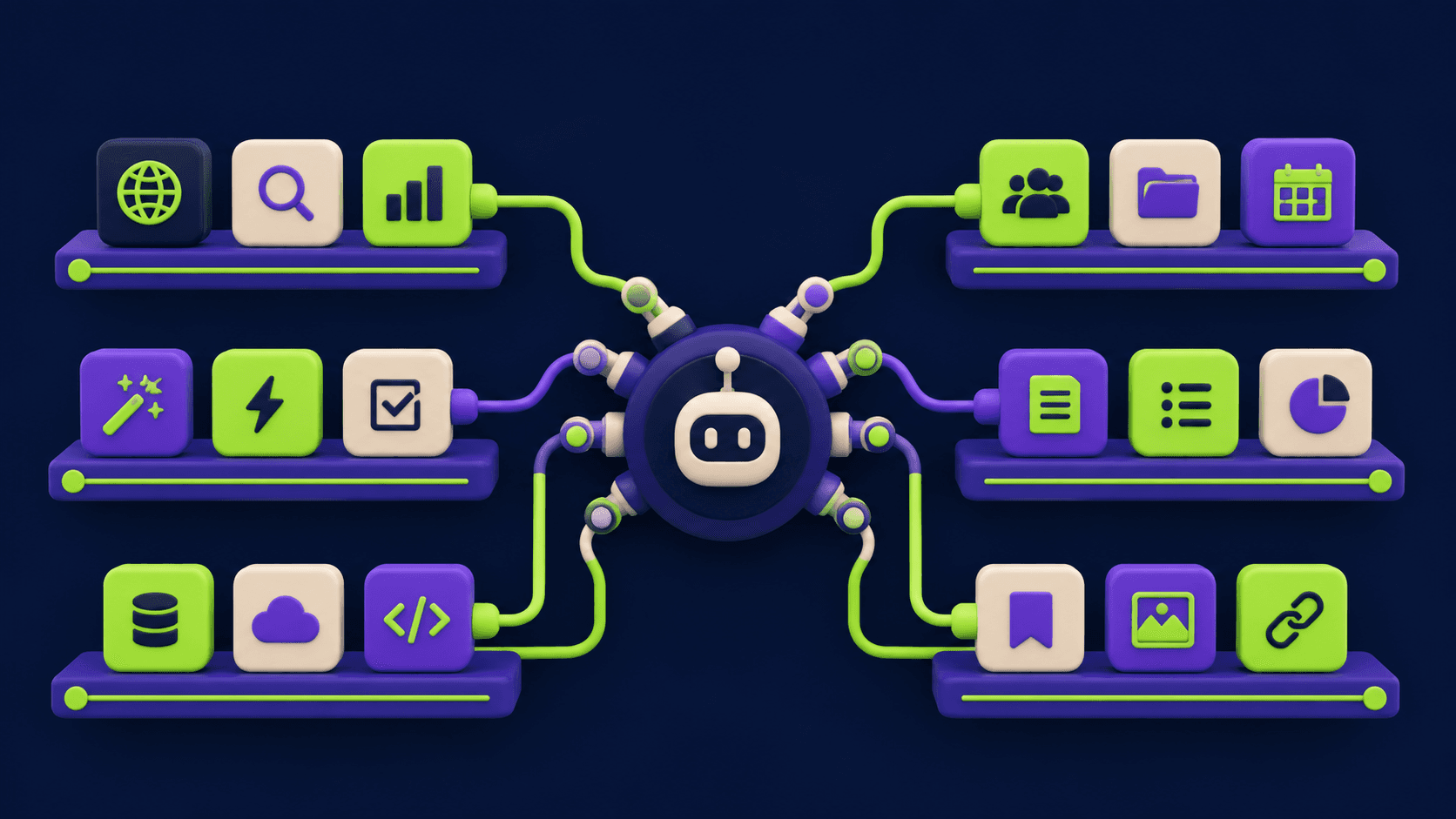
Turn Any AI Agent Into a Superagent: The 12-Integration Stack (2026)
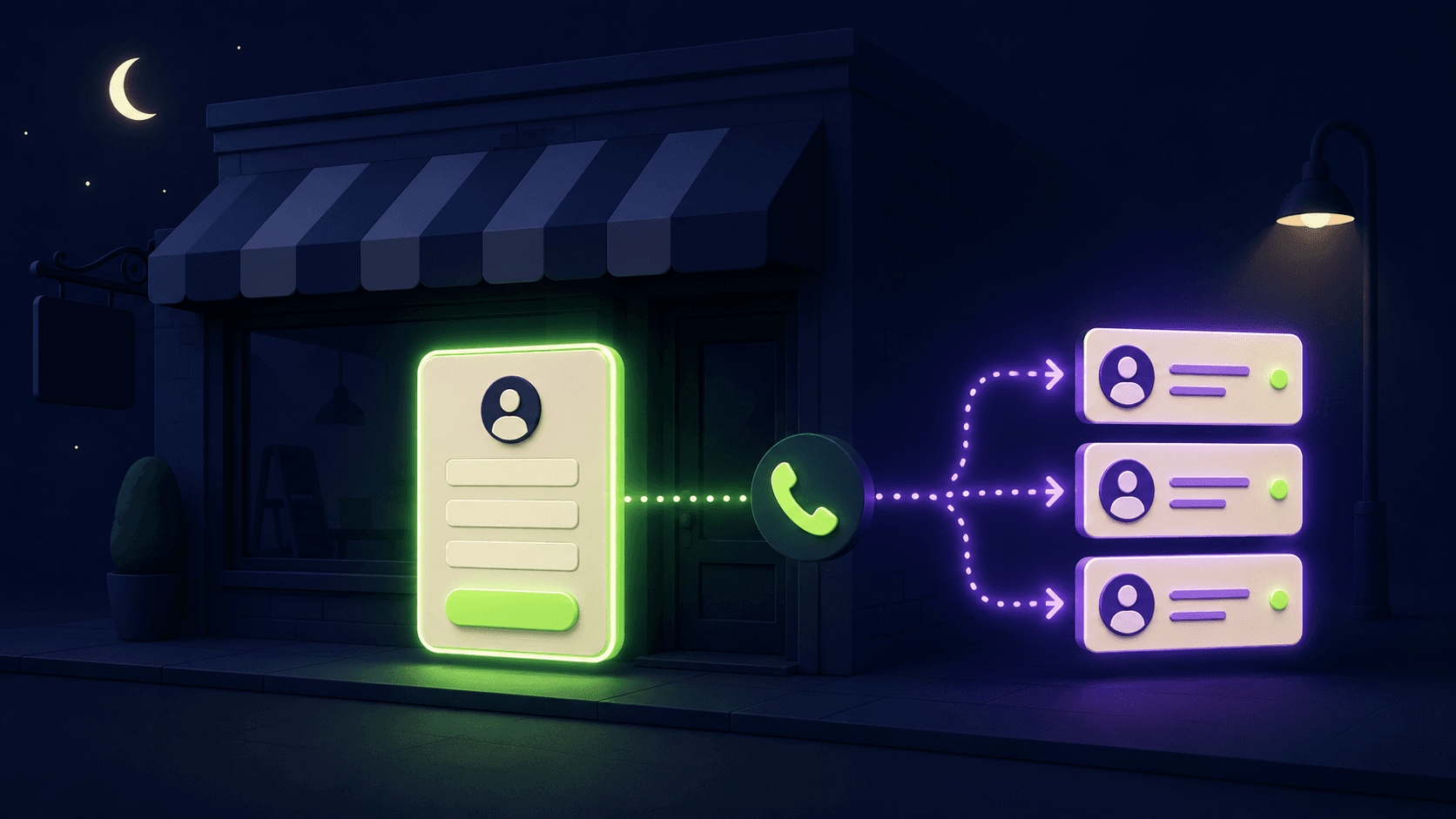
After-Hours Inquiry Capture for Local Businesses: AI Form + Voice Fallback (2026)