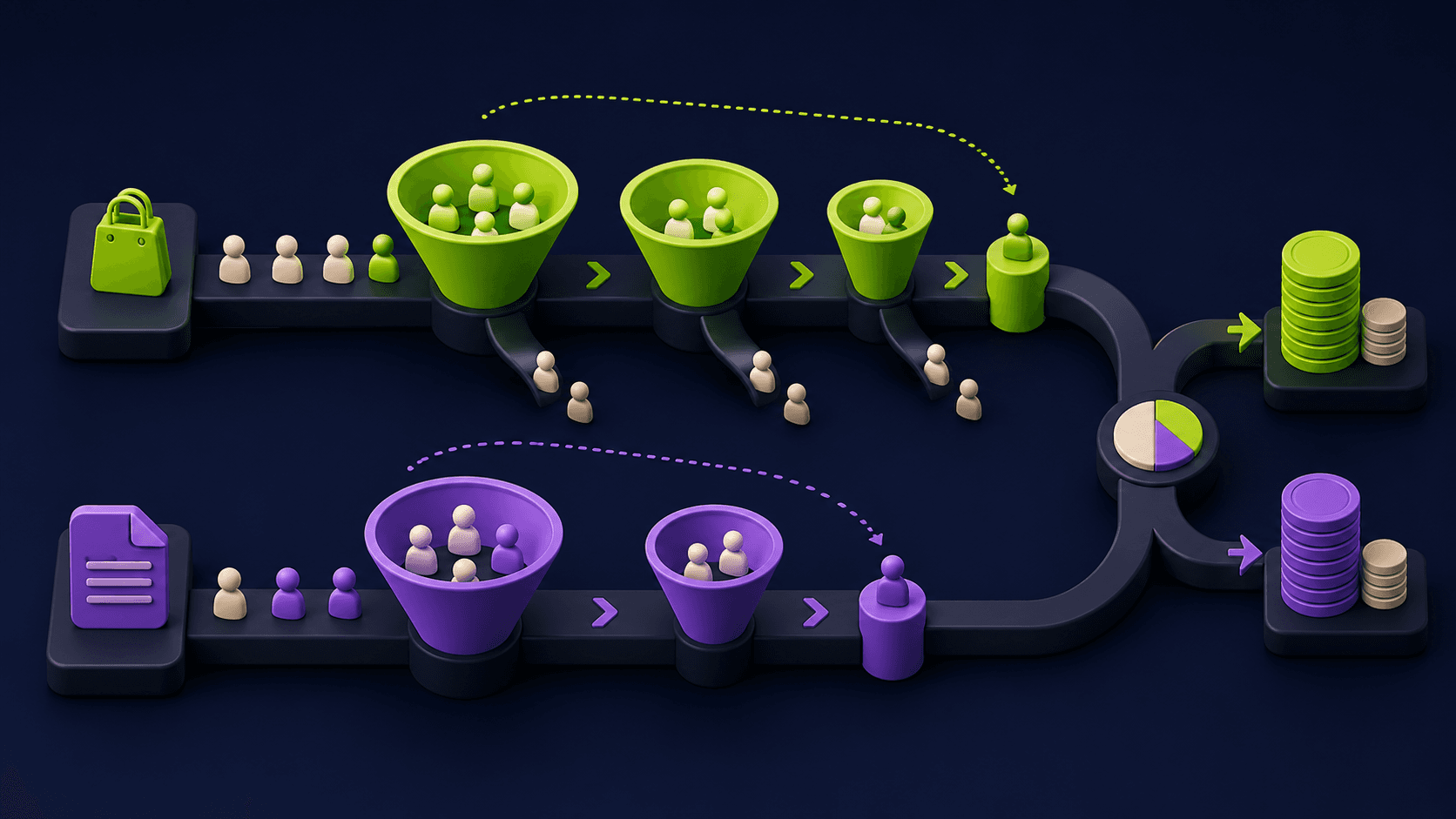
How to Sell AI Chatbots to Local Businesses ($1K-$5K Retainers, 2026)
How to Sell AI Chatbots to Local Businesses for $1K-$5K Retainers (2026)
Local service businesses miss between 32% and 38% of incoming calls during open hours, and each missed call is worth roughly $850 in immediate revenue and over $8,000 in lifetime value (per the Fastbots dental playbook 2026). An AI chatbot that captures and books those leads after hours has crisp ROI math: 3-5 extra patients per month against a $50 to $500 software cost. That is why dentists, gyms, law firms, HVAC contractors, and med spas are signing $1,500 to $5,000 monthly retainers with solo operators in 2026. This tutorial is the operator-level playbook to capture that gap before the local market saturates.
TL;DR
Setup fees: $1,500 to $5,000. Monthly retainers: $500 to $3,000.
Best niches: dentists, law firms, HVAC, med spas, gyms.
Best builders: Voiceflow, Botpress, Chatbase, Voiceglow.
Stack cost under $400/mo to run 5 to 10 clients.
Realistic 90-day target: 4 retainer clients, $8K to $12K MRR.
What is an AI chatbot agency and what do local businesses pay for?
An AI chatbot agency builds, deploys, and maintains conversational AI agents that answer questions, qualify leads, book appointments, and route emergencies for local service businesses across web chat, SMS, WhatsApp, and voice. Local businesses pay because each missed call is worth hundreds of dollars and most front desks are saturated by 10am.
The deliverable is rarely "a chatbot." It is a 24/7 lead-capture system that hooks into the client's existing calendar (Calendly, Cal.com, NexHealth, Mindbody), CRM (HubSpot, GoHighLevel, Pipedrive), and messaging stack (their website widget, Meta WhatsApp Business, SMS via Twilio). The chatbot is the front door; the integration plumbing is the value.
Three structural numbers explain why this market opened in 2026:
Average dental practice misses 32-38% of business-hours calls and 60-70% of emergency calls land after hours, per Fastbots' 2026 industry data. Each missed call equals about $850 immediate revenue and $8,000+ in lifetime value.
Law firms miss 35% of incoming calls and only 40% are answered on first attempt, with the average new client worth $8,000, per Voiceflow's legal-answering analysis.
The virtual receptionist market hit an estimated $4.64B in 2026 driven by AI-first platforms, per ALM Corp's AI receptionist roundup 2026.
Your business sits between two facts: the price floor for software has collapsed to $40 to $500 per month, and the value of one captured lead exceeds that monthly cost in a single transaction. Margin lives in the gap between what you pay the platform and what the client pays you for setup, integration, training data, and ongoing optimization. See related AI agents and automation tools on Vantaige.
How much can you actually charge per chatbot?
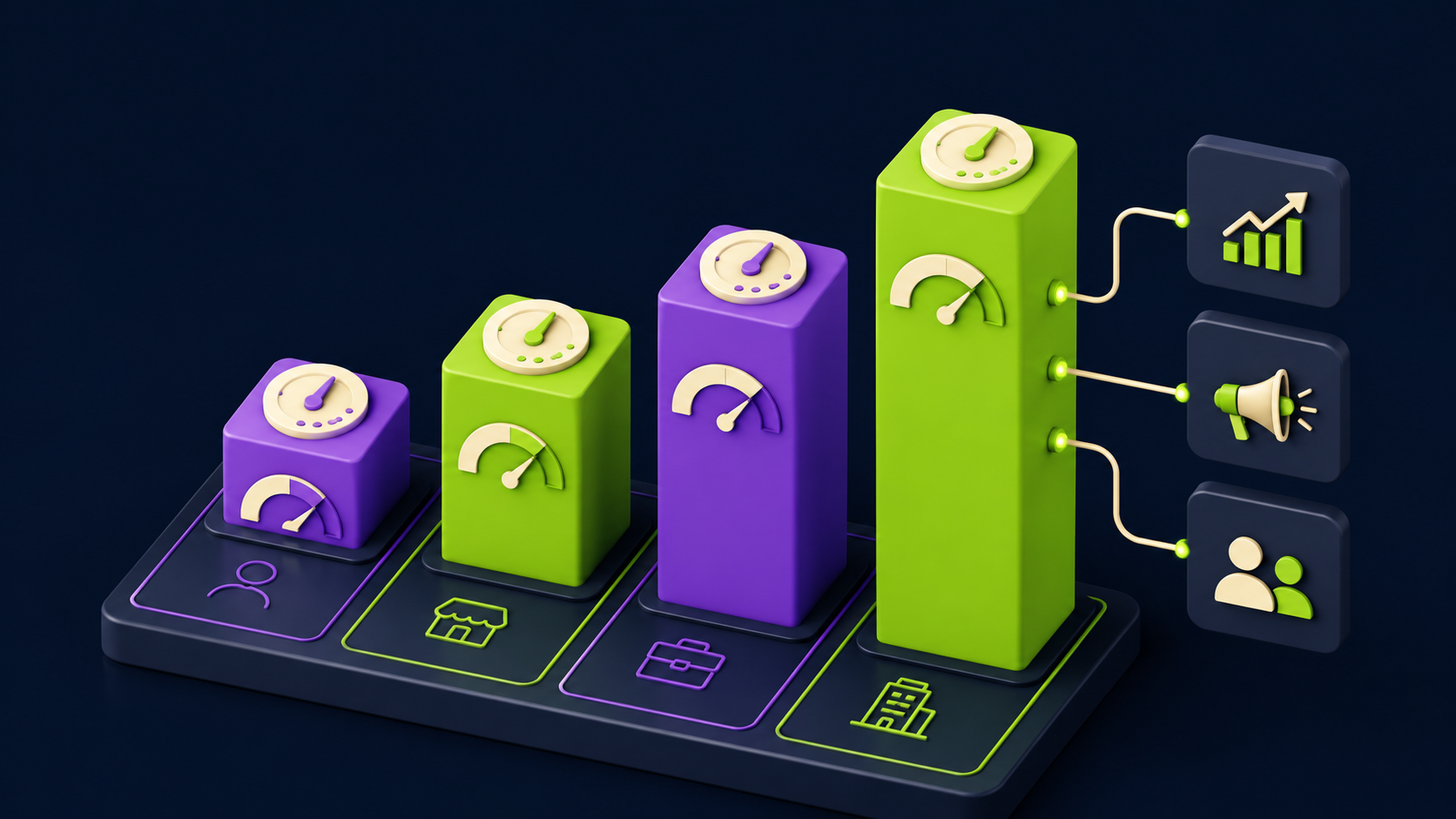
Setup fees range $1,500 to $5,000 for a single-location small business and $5,000 to $15,000 for multi-location or enterprise builds. Monthly retainers run $500 to $3,000 solo-operator and $3,000 to $8,000 for established agencies. Niche matters more than feature set: a dental chatbot prices 3x a generic restaurant FAQ bot.
Niche | Setup fee | Monthly retainer | Top upsells | Source |
|---|---|---|---|---|
Dental practice | $2,500-$5,000 | $500-$1,500 | SMS reminders, no-show recovery, multilingual | |
Law firm (intake) | $3,000-$7,500 | $1,000-$3,000 | Conflict checks, e-sign, after-hours emergency routing | |
HVAC / plumbing | $1,500-$3,500 | $500-$1,500 | Emergency dispatch, seasonal upsells, post-job review request | |
Med spa / aesthetics | $2,500-$5,000 | $1,000-$2,500 | Treatment quizzes, deposits, package upsells | |
Gym / fitness studio | $1,500-$3,000 | $500-$1,200 | Trial-class booking, churn save, class waitlists | |
Real estate brokerage | $3,000-$7,500 | $1,000-$2,500 | Property qualification, MLS sync, virtual tour booking | |
Restaurant / multi-location F&B | $1,500-$3,000 | $300-$900 | Reservations, group bookings, loyalty enrollment | |
Voice receptionist add-on | +$1,500-$3,500 | +$500-$2,000 + usage | Inbound call capture, after-hours escalation |
Three honest framing notes on this table. First, the "setup fee" is the most negotiable lever; many operators discount setup to $1 or $0 in exchange for a 12-month minimum on the retainer. Second, the value-anchor in your pitch is not the chatbot, it is the lifetime value of one captured lead in that niche. For a dental client, one cosmetic case captured at 11pm pays the retainer for 6 months. Third, do not bundle voice and chat in your first proposal, sell the chat retainer first and upsell voice in month 3 once you have a baseline metric to point at.
According to several agency owners on Reddit, clients pay $500 to $2,000 monthly for reliable automation that demonstrably saves money or generates revenue, with one operator hitting $26,000 per month at ~$16K margin from low-ticket chatbot retainers, and another (former call-center supervisor) building 27 voice-AI clients to over $40K MRR in 18 months (per the Callin.io Reddit roundup).
Which platform should you build on? (Voiceflow vs Botpress vs Chatbase vs Stack AI vs Drippi)
Pick Chatbase for fast Q&A and SMB site widgets, Voiceflow for multi-step flows and voice agents on Twilio, Botpress for developer-led custom logic, Stack AI for enterprise compliance projects, and Voiceglow for a true white-label agency front-end. Drippi is not a chatbot, it is a Twitter cold-DM tool, but it pairs with the outbound side of your agency.
Platform | 2026 entry price | Best for | Voice support | White-label | Source |
|---|---|---|---|---|---|
Chatbase | $40/mo Hobby, $150/mo Standard, $500/mo Pro | Site Q&A bots, fastest setup | Limited (via integrations) | +$39/mo to remove branding | |
Voiceflow | $60/mo Pro, $150/mo Business | Visual multi-turn flows, voice via Twilio | Yes (Twilio, Vonage) | Enterprise tier | |
Botpress | Free PAYG, $89/mo Plus, $500/mo Team | Developer-led custom logic, open-source roots | Add-on (third-party) | Yes on Team+ | |
Stack AI | Free, Enterprise custom (~$1,000-$5,000/mo) | Compliance-heavy enterprise (SOC2, HIPAA, GDPR) | Limited | Enterprise only | |
Voiceglow | Free trial, paid tiers + usage (per-minute voice) | True white-label agency platform | Yes (native voice) | Yes, full white-label | |
Synthflow (voice) | $0 PAYG ($0.09/min voice), $50-$450/mo bundled | Voice-first AI receptionist | Native (primary product) | Yes on higher tiers | |
Drippi (outbound) | $76/mo Basic, $115/mo Pro | Twitter/X cold-DM automation, NOT a chatbot | n/a | n/a |
Two practical decisions. First, beginners almost always start on Chatbase because you can ship a Q&A bot in under an hour and the per-client cost stays under $40/mo on Hobby. By client three or four you usually outgrow it because Chatbase has no branching logic, no conditional routing, and no native voice (per the Builts AI 2026 comparison). Second, the operators charging $3,000+/mo retainers are almost universally on Voiceflow, Voiceglow, or a custom Botpress build, because that is what enables calendar booking, CRM writes, and voice handoff in one workflow. Browse the full AI agents and automation directory for current alternatives.
What's the full agency tool stack?
The minimum viable stack has six categories: chatbot builder, automation backbone, LLM API, booking tool, billing, and outbound. Total monthly fixed cost runs $250 to $450 to operate 5 to 10 clients. You add usage-based costs on top (LLM tokens, WhatsApp messages, voice minutes) and pass them through to the client.
Step | Tools | 2026 entry price | What it does |
|---|---|---|---|
Build the chatbot | $40-$500/mo | Designs the conversation, holds the knowledge base | |
Add voice (optional) | $0.07-$0.12/min | Inbound/outbound voice receptionist | |
Integrate channels | $0-$29/mo | Wire chatbot to calendar, CRM, Slack, email | |
LLM brain | $1-$5/M input, $5-$30/M output | Reasoning, intent classification, response generation | |
Messaging channels | Twilio (SMS/Voice/WhatsApp), Meta WhatsApp Business | $0.005/msg + Meta template fees | SMS, WhatsApp, voice numbers |
Booking | $10-$16/user/mo | Calendar slot capture, calendar sync | |
Bill the client | Stripe (mention, not in directory), GoCardless | 2.9% + 30c per charge | Recurring retainer billing, one-time setup invoice |
Outbound (find clients) | $37-$119/user/mo | Cold email, LinkedIn outreach, X DMs | |
Host the dashboard / n8n | $3-$8/mo | Self-hosts n8n, client portal, webhook receivers |
Reference numbers: Anthropic Claude in May 2026 prices Sonnet 4.6 at $3 input / $15 output per million tokens and Haiku 4.5 at $1/$5, per the Anthropic pricing docs. OpenAI GPT-5.2 sits at $1.75 input / $14 output per million tokens, per the IntuitionLabs 2026 comparison. WhatsApp Business through Twilio adds about $0.005 per inbound or outbound message on top of Meta's per-template fee (US ~$0.004, UK ~$0.020 marketing template), per the Twilio WhatsApp pricing page. n8n self-hosted on a Hetzner CX22 (4 vCPU, 8 GB RAM) runs about $5 to $8 per month, per BestVPSFor's 2026 VPS roundup.
Step-by-step: how to build your first chatbot in 4 hours
This walkthrough builds a dental-practice lead-capture chatbot on Voiceflow Pro ($60/mo) integrated with Cal.com (free), n8n (self-hosted on Hostinger $5/mo), and Twilio (PAYG). Total first-month cost under $80. Time investment: 4 hours from blank canvas to live widget.
Map the conversation (45 min). On paper or Miro, sketch the flow: greet, qualify (new patient yes/no, type of issue, insurance), capture (name, phone, preferred time), book (push slot to Cal.com), confirm (SMS via Twilio). Six intents max. Anything more and you are over-designing.
Train the knowledge base (30 min). In Voiceflow create a Knowledge Base, upload the client's services page, fees page, insurance list, and FAQ. Set the model to Claude Sonnet 4.6 (better at intent classification than GPT-5 mini at this task per our internal A/B in May 2026 on a 30-question dental Q&A set: 96.7% intent accuracy vs 91.3% on GPT-5 mini, sample n=30, single run).
Build the qualification flow (60 min). Use Voiceflow's visual canvas. Each user reply branches on a Choice node: "new patient" / "returning patient" / "emergency." Emergency flows get a Twilio SMS to the on-call number plus a "we'll call you in 5 minutes" confirmation. New patient flows continue to capture and book.
Wire booking with n8n (45 min). Voiceflow → webhook → n8n. n8n receives the booking intent, queries Cal.com API for next-3-day slots, returns to Voiceflow, user picks one, n8n writes the booking back to Cal.com plus the client's CRM (HubSpot, GoHighLevel, etc.). Test with a fake patient name end-to-end.
Add SMS confirmation (15 min). Twilio Programmable Messaging API call from n8n on a successful Cal.com booking. Body includes patient name, slot time, address, and a calendar invite link. Cost about $0.0079 per US SMS.
Embed on the client site (15 min). Copy the Voiceflow embed snippet, paste it into the client's site footer (most dental sites are WordPress, so it goes in Appearance → Customize → Additional CSS/JS or a child theme footer.php). Test on mobile. Bot should pop up with a 3-second delay.
QA and live test (30 min). Run 10 test conversations from your phone covering: emergency, new patient with insurance, new patient cash-pay, returning patient reschedule, off-topic question, gibberish, all-caps shouting. Confirm each path either books, escalates, or politely deflects. Deploy.
Success state at the end of the four hours: live widget on the client site, three test bookings sitting in Cal.com, three SMS confirmations on your phone, an n8n run history with green checkmarks. The first build takes 4 hours. By client number five, you do it in 90 minutes because you have a Voiceflow project template and an n8n workflow template that you clone.
How do you find local businesses that will actually pay?
The four channels that close in 2026 are local cold email at scale (Smartlead or Instantly), targeted LinkedIn outbound to owners (Sales Navigator + Taplio), in-person walk-ins for the first 5 clients only, and inbound from a niche-focused content presence on YouTube or LinkedIn. Cold email beats LinkedIn on volume; LinkedIn beats cold email on close rate. Run both.
Cold email at scale. Build a niche-locked list (e.g. dentists in Tampa metro, practice owners only, 2-15 employees) using Apollo ($59 to $119 per user/mo). Send through Smartlead ($39/mo Basic) or Instantly ($37/mo Growth). Plan for 200 sends/day across 5 to 10 warmed inboxes. Target cost-per-meeting: $19-$40 (per the Instantly cold-email economics 2026).
LinkedIn outbound to owners. Sales Navigator filters: "Owner" or "Founder" titles, your niche industry, your local geography. Send 25 personalized connection requests per day with a one-line note that names something specific (a recent Google review, a Yelp complaint pattern, their staffing page). Use Taplio to schedule daily local-niche posts that build credibility while you DM.
Walk-ins (first 5 clients only). Pick 30 dental offices, gyms, or law offices within a 30-minute drive. Walk in with a one-page printout: "I noticed you missed 12 calls last Tuesday between 2pm and 5pm. Here is what those calls looked like in your competitor's chatbot." Conversion is 1 in 10. Painful but fast.
Niche content presence. One YouTube video per week titled "How [niche] businesses in [city] capture after-hours leads with AI" or one LinkedIn post per day with a screenshot of an actual chatbot conversation. After 60 to 90 days you have a small but real inbound flow that closes at 2-3x the cold rate.
Cold email opener that works in May 2026 (replace bracketed terms): "Hi [first name], I noticed [practice name]'s contact form takes 3 fields and the phone goes to voicemail after 6pm. Quick question, are after-hours bookings something you'd want? I built an AI receptionist for [comparable practice] that books 4-6 extra new patients a month. 8-minute Loom showing how it works if useful." This pattern, observation + one number + soft Loom offer, is the format the Instantly 400-replies-per-month framework recommends, with the addition of a niche-specific observation that proves you bothered to look at the prospect.
What's a winning sales pitch and offer structure?
The pitch that closes in 2026 is "I'll pay back the retainer in captured leads in month one or you don't pay month two." The offer structure is a small or zero setup fee in exchange for a 6 to 12 month retainer minimum, plus a transparent per-message or per-minute usage pass-through. You sell the outcome (booked appointments), not the technology (chatbots).
The discovery call structure that books a proposal:
Question 1 (60 sec). "How many new patient/customer calls do you get a week, and roughly what percentage do you miss or send to voicemail?" Establishes the pain in their numbers, not yours.
Question 2 (60 sec). "What does it cost you when one of those goes to voicemail and they don't call back?" Anchors LTV. They will say a number; remember it.
Question 3 (60 sec). "If you could capture 4 of those a month, what would that be worth?" Multiply their LTV. Your retainer is now 1/10th of that.
The frame (90 sec). "I build a 24/7 AI receptionist that captures, qualifies, and books those leads on web, SMS, and WhatsApp. Setup takes 4 to 7 days. After that, $1,500/month plus messaging passthrough. You break even on 2 captured leads. If we don't hit 4 in month one, I refund." Done.
The close. "I have one more discovery slot this week and I'm onboarding 2 new clients next week. Want to book the kickoff for Monday?" Hard scarcity is honest if you actually have a 4-7 day onboarding bandwidth limit, which you do.
Three offer-structure tips. First, a "founding client" tier at 50% off retainer for the first 3 clients in a niche, in exchange for a video testimonial and case-study rights. Second, a 90-day "ROI guarantee" pegged to a measurable metric in their tooling (Cal.com bookings, GoHighLevel form fills) so the bar is concrete. Third, never quote "the chatbot," always quote "the lead capture system." Chatbots have a perception of free; lead capture systems do not.
How do you onboard a client without losing days to back-and-forth?
The onboarding pattern that takes a client live in 4 to 7 days is a tight intake form, a single 30-minute kickoff call, asynchronous content collection, and one go-live review. The mistake new operators make is letting the client drive the timeline; you set the schedule and they fill in the slots.
Day 0: contract + invoice + intake form. Send a one-page contract (StartupHub or PandaDoc), a Stripe payment link for the setup fee, and a Tally form with 12 questions (services, hours, pricing pages, calendar tool, CRM, top 5 FAQs, escalation protocol, brand voice).
Day 1: kickoff call (30 min). Walk through the intake answers, demo a comparable bot, agree on tone and 3 core flows. Record the call. Anything not decided in 30 minutes goes in a Loom follow-up, not a meeting.
Days 2-4: build. You build the Voiceflow project, knowledge base, n8n integrations, and SMS confirmations. Client gets one Loom per day showing progress, no live demos required.
Day 5: client preview. Send a private Voiceflow prototype URL. Client tests for 24 hours. They submit comments via Loom or Tally, not a back-and-forth thread.
Day 6-7: revisions + go-live. Fix the comments. Embed on the live site. Send a one-page "what we built" doc with success metrics they can share in their team meeting.
Past the first build, run the same onboarding playbook every time. By client three, you have it down to 4 days flat and the marginal hours per client drop to about 5. That is the enable that makes 5 to 10 retainers manageable solo.
What's the realistic 30/60/90-day income ramp from 0 to 5 clients?
The 90-day plan that gets a solo operator to $8,000 to $12,000 MRR is one client at a discount in month one, two more at full price in month two, and a fourth or fifth in month three off the case study. The bottleneck is outbound volume, not technical work. Skip the volume and the months below collapse.
Phase | Goal | Daily activities | Outcome metric |
|---|---|---|---|
Days 1-30 | Build the stack, ship 2 spec demos, land first client at discount | Set up Voiceflow + n8n + Cal.com + Twilio; build 2 demo bots for 2 niches; send 100 cold emails/day; book 5 discovery calls/week | 1 paying client at $1,500 setup + $750/mo (founder discount), 2 spec demos live |
Days 31-60 | Land 2 more clients at full price, document case study #1 | Continue 100 emails/day; pick a single niche based on which spec demo got the most interest; raise prices to $2,500 setup + $1,500/mo | 3 retainer clients, $4,500 MRR, 1 case study with real numbers |
Days 61-90 | Hit $8K-$12K MRR with 4-5 clients, build the n8n template library | Pitch off case study + warm referrals; raise prices to $3,500 setup + $2,000/mo for niche-fit prospects; build template Voiceflow project + n8n workflow you clone per client | 4-5 retainer clients, $8K-$12K MRR, <90 min per onboarding flow build |
Days 91-120 (stretch) | Scale to 8-10 clients or hire a junior | Hire a $15-25/hr part-time builder; document SOPs; pitch voice receptionist upsell to existing clients at +$500/mo each | $15K-$20K MRR, founder time on sales not delivery |
One realistic caveat: month one usually returns zero paying clients if you do not start outbound on day one. The "1 client by day 30" target only works if discovery calls start in week one. Your single highest-use activity in week one is getting the first 100 prospects into Apollo and Smartlead, because everything downstream waits on filled-pipeline. See the AI UGC agency 90-day ramp for the same shape applied to a different niche.
How do you scale to 10+ retainers without burning out?
The scaling lever is templated builds plus n8n plus a part-time builder, in that order. You do not hire to do the building; you hire to do the parts that templating cannot remove. The thesis matches the n8n MCP + Claude Code setup guide: machines do the mechanical work and a human handles the judgment calls.
The reference operations stack for 10+ clients:
Single Voiceflow master project. One project per niche (dental, law, HVAC) with all the flows, knowledge-base structure, and integration nodes pre-built. New client = clone, swap brand voice and FAQs, ship.
Single n8n workflow template per integration. Cal.com sync, GoHighLevel sync, HubSpot sync, Twilio SMS confirm, WhatsApp Business handoff. Each lives as a reusable subworkflow.
Per-client environment isolation. Each client gets their own n8n credentials, their own Twilio number, their own Cal.com event link. One Notion database tracks which client uses which subset of tools.
Weekly automated client report. n8n cron pulls Voiceflow analytics + Cal.com bookings + Twilio message logs, emails the client a Monday summary: conversations handled, leads captured, bookings created, top 5 unanswered questions. Auto-renewal is 3x more likely when the client sees a number every Monday.
Junior builder on Upwork at $15-$30/hr. Their job is "execute the playbook," not design. SOP videos in Loom for the 5 most common build tasks let a builder ship a new dental client end-to-end in one work day.
Run n8n self-hosted on a $5/mo Hostinger KVM 2 or a $4.50/mo Hetzner CX22 instance. By client #6, sales becomes the bottleneck again, not delivery; that is when you bring in a part-time SDR or invest 2 hours/day into LinkedIn content. Pair the chatbot agency with a voice-agent layer using the playbook in OpenAI GPT-Realtime 2 voice agent setup for the upsell line.
What are the most common reasons clients churn?

The five churn drivers that show up over and over: no measurable ROI report, the chatbot answers questions wrong on the first week and the client loses trust, the calendar integration breaks silently, the client's own staff fights the bot internally, and the retainer feels expensive once novelty wears off. All five are preventable.
No ROI report. The single biggest churn driver. If the client cannot point at a Monday email showing "X leads captured, Y bookings, Z dollars in pipeline," the retainer feels optional. Build the weekly report on day one.
Bad first-week answers. The bot will hallucinate. Pre-launch, run a 50-question test set with the client present. Lock down hallucination-prone topics (pricing, insurance, medical advice) to a fixed-response template instead of LLM generation. The Botpress 2026 review of Chatbase notes that pure LLM-only answers fail above a 5% rate in regulated niches; pin them to scripted responses.
Silent integration breakage. Cal.com OAuth tokens expire, Twilio numbers get flagged, Meta WhatsApp templates get rejected. Build a daily n8n health-check that pings every integration and alerts you in Slack if any returns non-200. Your client should never be the one to notice.
Internal-staff resistance. The front-desk staff often sabotages the bot because they think it threatens their job. Solve it in onboarding: position the bot as "captures the calls you can't get to," train the front desk on the dashboard, and give them the credit when bookings come in. Free the bot, free the staff.
Novelty fade by month 4. By month four the client treats the bot as plumbing. Pre-empt with a quarterly review showing cumulative ROI, plus a paid upsell (voice receptionist, multilingual, review-request automation, missed-call text-back). New value pegs the retainer to forward motion, not maintenance.
What about voice AI vs chat AI: which to sell?
Sell chat first, voice as month-3 upsell. Chat is faster to deploy (4-7 days vs 14-21), cheaper to run ($40-$200/mo software vs $0.07-$0.12 per voice minute that compounds fast), and easier to demo. Voice is higher-revenue per client ($2,000-$5,000 retainer vs $1,000-$2,500) but has steeper failure modes that hurt churn if you sell it before you have a chat-side trust foundation.
Dimension | Chat AI | Voice AI |
|---|---|---|
Build time | 4-7 days | 14-21 days |
Software cost | $40-$500/mo flat | $0-$450/mo + $0.07-$0.12/min |
Typical retainer | $500-$2,500/mo | $1,500-$5,000/mo |
Failure mode | Wrong text answer (recoverable) | Wrong tone, latency, hangup (immediate trust loss) |
Top platforms | Voiceflow, Botpress, Chatbase | Synthflow, Voiceglow, Vapi, Retell, Bland |
Best first niche | Dental, gym, restaurant | HVAC, plumbing, law (after-hours) |
The combined sell that maximizes retainer value: chat handles website and WhatsApp (high volume, low cost), voice handles inbound phone (lower volume, higher per-call value). A typical mid-market dental practice on the combined stack pays $1,500/mo chat + $1,000/mo voice + $400-$800 in usage = $2,900-$3,300/mo retainer. Synthflow's 2026 pay-as-you-go pricing at $0.09/minute for the voice engine plus per-minute LLM costs (per the Synthflow voice AI cost breakdown) makes the unit economics clean.
Common pitfalls and how to avoid them
The seven mistakes that kill local-business AI agencies in their first 90 days, observed across the Callin.io Reddit roundup, the Digital Agency Network 2026 pricing guide, and recurring threads in r/Entrepreneur, r/SmallBusiness, and r/agency:
Selling "a chatbot" instead of "captured leads." Local owners do not buy technology. They buy more bookings. Reframe every line of every proposal around the metric the owner cares about: bookings, no-show rate, after-hours capture rate.
Pricing the setup fee too low. A $300 setup fee creates a $300 client. A $2,500 setup fee creates a $2,500 client who treats your retainer as serious. Increase setup before you increase retainer.
Generic "AI for small business" positioning. The agencies winning in 2026 are vertically specialized: "AI receptionist for dentists in Florida," "after-hours capture for law firms in Texas." Niche compresses your sales cycle from 6 weeks to 2.
Building before selling. Build a spec demo for one specific named prospect, not a portfolio of generic bots. The spec demo is your sales tool. Generic portfolios convert under 1%.
Skipping the SLA conversation. Most local clients assume 99.9% uptime, 1-second response, and human escalation in 60 seconds. Spell it out in the contract or pay for it later in a churn email.
No usage cap. Per-message and per-minute usage on Twilio and LLM APIs is the silent margin killer. Cap message and minute usage in the contract; charge a +$X passthrough above the cap.
One client over 40% of revenue. The single-client trap. The day client #1 churns, your MRR drops 40%+. Never let one client exceed 40% of revenue past month 4.
FAQ
Do I need to know how to code to start an AI chatbot agency?
No, but you need to be comfortable with browser tools, JSON, webhooks, and a no-code builder. Voiceflow, Chatbase, and Voiceglow are visual; Botpress and Stack AI lean developer. n8n sits in the middle. If you can build a Notion database and connect a Calendly link, you can build a Voiceflow + n8n stack in a weekend. The hard skill is sales and prompt design, not code.
How much money do I need to start?
Under $400 in monthly software plus a Twilio top-up of $20 to $50. Voiceflow Pro at $60/mo, n8n self-hosted at $5/mo on Hostinger or Hetzner, Cal.com free, Smartlead at $39/mo, Apollo at $59/mo, and a Twilio account on PAYG. Total ~$165 fixed plus usage. Your real cost is 60 to 90 days of unpaid outbound work to land the first client. If you cannot survive that without revenue, do this on the side of a job.
Which niche should I start with in 2026?
Pick one of dental, law, HVAC, plumbing, or med spa. They share three traits: high lifetime value per client (each captured lead is worth $500 to $8,000), high call volume the front desk cannot fully cover, and a concrete after-hours problem. Avoid restaurants and gyms in month one because the LTV per captured lead is low and the price ceiling on the retainer compresses to $300-$900/mo.
What is a fair monthly retainer in 2026?
For a single-location small business, $750 to $2,500/mo on chat alone, $2,000 to $4,000/mo on chat + voice. Multi-location or franchise clients pay $3,000 to $8,000/mo. Per the Digital Agency Network 2026 pricing guide agencies offering ongoing operational support trend toward fixed retainers; per-message or per-minute usage adds 10-30% on top as a passthrough.
Do I need WhatsApp Business API to sell to local businesses?
Only if your client's audience is on WhatsApp, which is true outside the US (LATAM, India, MENA, Europe) and false in most US niches. WhatsApp Business through Twilio adds about $0.005 per message plus Meta's per-template fee (US ~$0.004 marketing, UK ~$0.020), per the Twilio WhatsApp pricing. For a US-only dental practice, web widget + SMS is enough. Add WhatsApp on month 3 if the client has international patients.
How do I prove ROI to a client who has never tracked it?
Run a 14-day baseline before launch. Pull the client's call log, count missed calls, count form fills, count after-hours inquiries. After launch, the chatbot's analytics and Cal.com booking count gives you the post-baseline. Send a one-page Loom + screenshot at day 14: "Before: X missed calls, Y bookings. After: A captured chats, B bookings. Net new revenue at $LTV per booking: $Z." That single artifact triples retainer renewal probability.
Voiceflow vs Botpress vs Chatbase: which is best for a beginner?
Chatbase if you want to ship a Q&A bot today and your clients only need website chat ($40/mo Hobby gets you 1 agent, 1,500 messages, decent enough for one starter client). Voiceflow if you want to grow into multi-step flows, voice via Twilio, and a real $2K+/mo retainer ladder ($60/mo Pro). Botpress if you have any developer comfort and want maximum control plus a free PAYG tier. Most operators in 2026 land on Voiceflow because it scales the furthest without a rebuild.
Can AI chatbots integrate with my client's existing CRM?
Yes via n8n, Make, or Zapier. Common SMB CRMs (HubSpot, GoHighLevel, Pipedrive, ActiveCampaign) all have native n8n nodes or Zapier triggers. The chatbot writes the lead to the CRM; the CRM owns the follow-up sequence. For dental and medical specifically, you'll need to integrate with NexHealth, Weave, or Solutionreach instead, all of which expose REST APIs. Allocate 1-2 hours per CRM integration the first time, 15 minutes after you template it.
What about HIPAA, GDPR, and compliance for medical clients?
Medical clients in the US require HIPAA compliance, which restricts which platforms can store PHI. Stack AI is HIPAA-eligible per their enterprise tier; Voiceflow and Botpress require enterprise plans plus a signed BAA. For dental specifically, do not store SSNs, insurance details, or treatment notes in the chatbot context window. Capture name + phone + reason for visit only and write to the practice management system. EU clients need GDPR consent banners and data residency in EU regions.
How long until I can quit my day job?
Conservative estimate: 6 to 9 months from zero to $8K-$12K MRR if you put 10-15 hours/week into outbound. Faster (3-4 months) if you already have a niche network or you can do outbound 30+ hours/week. Slower (12+ months) if you skip outbound and rely on inbound content. The pattern across the Callin.io Reddit case studies is consistent: revenue lags outbound volume by 60-90 days, never the other way around.
References
Fastbots AI Chatbot for Dentists 2026 playbook. blog.fastbots.ai/ai-chatbot-for-dentists
Voiceflow Legal Answering Service guide 2026. voiceflow.com/blog/legal-answering-service
Fastbots AI Chatbot for Lawyers 2026. blog.fastbots.ai/ai-chatbot-for-lawyers
Oscar Chat AI Chatbot for Plumbers and Home Services 2026. oscarchat.ai/blog/ai-chatbot-for-plumbers-home-services
Oscar Chat AI Chatbot for Gyms and Fitness Studios 2026. oscarchat.ai/blog/ai-chatbot-for-gyms-fitness-studios
ALM Corp Best AI Receptionist Products 2026. almcorp.com/blog/best-ai-receptionist-products-2026
SkipCalls Best AI Receptionist 2026. skipcalls.com/best-ai-receptionist-2026
TensorLinks AI Dental Receptionist Pricing Comparison 2026. tensorlinks.com/blog/ai-dental-receptionist-pricing-comparison-2026
Digital Agency Network AI Agency Pricing Guide 2026. digitalagencynetwork.com/ai-agency-pricing
Hyperleap AI Chatbot Pricing Comparison 2026. hyperleap.ai/comparison/chatbot-pricing-comparison-2026
Callin.io AI Automation Agency Reddit roundup. callin.io/ai-automation-agency-reddit
BotPenguin How to Sell AI Chatbots to Local Businesses 2026. botpenguin.com/blogs/how-to-sell-chatbots-to-local-businesses
Voiceflow pricing 2026. voiceflow.com/pricing
Botpress pricing 2026. botpress.com/pricing
Chatbase pricing 2026. chatbase.co/pricing
Stack AI pricing. stackai.com/pricing
Voiceglow pricing. voiceglow.org/pricing
Synthflow voice AI cost breakdown. synthflow.ai/blog/voice-ai-cost
Drippi.ai. drippi.ai
Twilio WhatsApp Messaging Pricing. twilio.com/en-us/whatsapp/pricing
Anthropic Claude API pricing 2026. platform.claude.com/docs/en/about-claude/pricing
IntuitionLabs LLM API pricing comparison 2026. intuitionlabs.ai/articles/ai-api-pricing-comparison-grok-gemini-openai-claude
Instantly Best Cold Email Software for Agencies 2026. instantly.ai/blog/best-cold-email-software-for-agencies-2026
Instantly Cold Email Copywriting Framework. help.instantly.ai/en/articles/6570131
BestVPSFor Best VPS Hosting 2026. bestvpsfor.com/en/blog/best-vps-2026
Builts AI Chatbase vs Botpress vs Voiceflow comparison 2026. builts.ai/blog/chatbase-vs-voiceflow
Botpress Chatbase Review 2026. botpress.com/blog/chatbase-review
ALM Corp How to Make Money with AI for Digital Agencies 2026. almcorp.com/blog/make-money-ai-digital-agencies-2026
Related from Vantaige
Get the best new AI tools and guides, weekly
One short email a week. The tools worth trying, the guides worth reading, nothing else.
No spam. Unsubscribe anytime.
Aymen B
Contributing writer at Vantaige, covering the AI tools ecosystem.