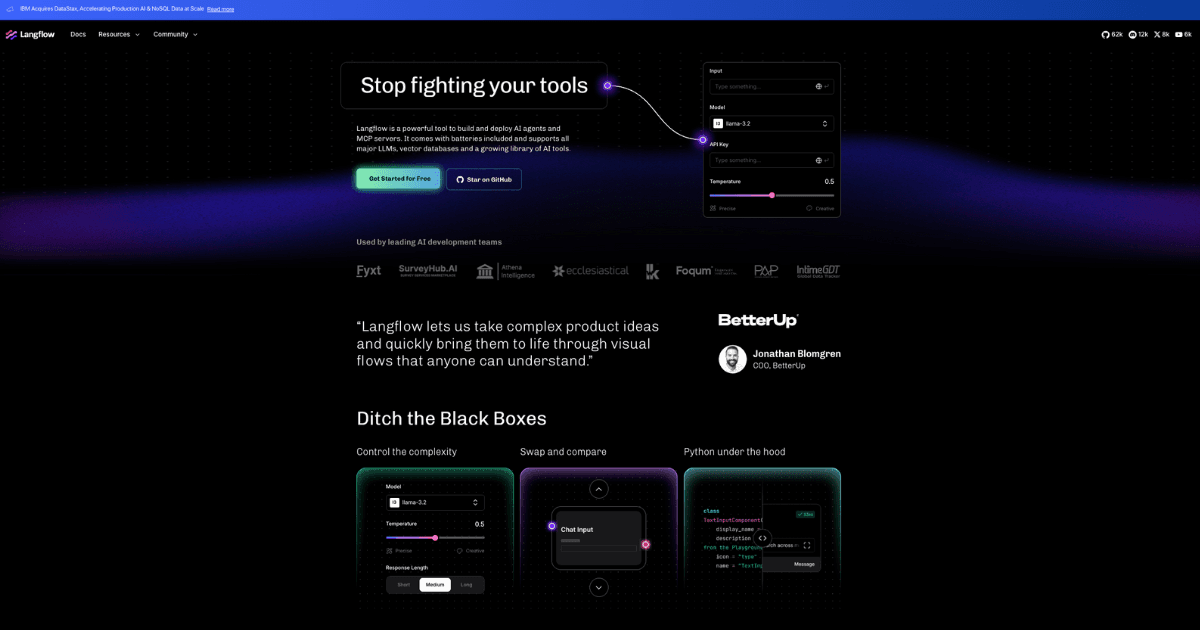
Langflow is an open-source visual builder for LLM pipelines, RAG applications, and multi-agent workflows. Created in 2023 and acquired by DataStax in 2024, it lets developers assemble complex AI flows on a canvas and export them as production APIs, no boilerplate required.
Langflow is an open-source, low-code platform for building AI pipelines visually. Created in 2023 by Rodrigo Nader and Gabriel Freitas Almeida as part of their consultancy Logspace, it began as a graphical layer on top of LangChain, letting developers drag components onto a canvas instead of writing chains from scratch. DataStax acquired Logspace in April 2024, and IBM subsequently announced its acquisition of DataStax in February 2025, giving Langflow the financial backing of one of the largest enterprise software companies in the world while keeping the MIT-licensed core fully open source.
The platform covers the full arc of an AI application build: ingest documents through a PDF or web loader, chunk and embed them with your choice of embedding model, store vectors in Astra DB or any supported vector store, wire a retriever to an LLM, and deploy the whole pipeline as a REST API, all from a single canvas. Current capabilities in version 1.8+ include MCP (Model Context Protocol) client and server support, a Desktop app for local development, multi-agent orchestration with the IBM-developed CUGA Agent component for enterprise task automation, LangSmith and Langfuse integration for per-step tracing, and a memory session manager that lets a single flow hold multiple independent conversation histories. It supports every major LLM provider: OpenAI, Anthropic, Google, Mistral, AWS Bedrock, and hundreds more through the CometAPI connector.
What Langflow actually does in May 2026
Langflow's core model is a node-based canvas where every component, an LLM call, a retriever, a web search tool, a Python code block, is a draggable node with typed input and output ports. You wire nodes together to form a flow, test it in the built-in playground, inspect per-step outputs with the Output Visualizer, then deploy it as an API endpoint or export the flow as a JSON file. Since version 1.0 (June 2024), the canvas has moved beyond pre-built component galleries toward a "manufacturing plant" model: any Python class with the right decorator becomes a shareable, reusable Langflow component.
The 1.7 release in December 2025 introduced MCP Streamable HTTP support, meaning any Langflow project can be exposed as an MCP server that tools like Claude Desktop, Cursor, or any external agent can call directly. The 1.8 Desktop app brought the full builder to a local Electron shell, removing the need to run a server for solo development. Agent components have expanded significantly: the ALTK Agent improves tool calling through SPARC-based validation and intelligent JSON post-processing, while the CUGA Agent handles multi-step enterprise automation with built-in task planning, web browsing, and custom code execution. Webhook authentication, AWS S3 file storage for RAG document inputs, and an LLM Selector component for routing tasks to the right model round out the current feature set.
Langflow's RAG workflow is its strongest use case. Connect a document loader (PDF, web scrape, S3 file), a text splitter, an embedding model, and a vector store (Astra DB, Pinecone, Chroma, Weaviate, and more). Add a retriever node, wire it to an LLM, set a system prompt, and you have a RAG chatbot you can test in the playground and expose as an API in under an afternoon. The integration with Astra DB is particularly tight given the DataStax ownership, with native connectors and one-click deployment to DataStax Langflow Cloud.
Where Langflow sits versus Dify and Flowise
The three major open-source visual LLM builders converge on the same surface-level pitch (drag-drop flows, self-hostable, free) but diverge sharply in architecture and production posture.
Dify is the most opinionated of the group. It ships as a full-stack platform with its own Celery and Redis workers for async job queuing, native multi-tenancy with workspace-level role separation, and a built-in API gateway that turns every flow into a rate-limited endpoint by default. Dify also includes OpenTelemetry export and per-step conversation logs without requiring third-party integrations. The tradeoff is complexity: Dify is closer to deploying a product than to building a prototype. Langflow compiles flows to LangChain Python code, which means it integrates naturally into existing Python environments but does not bring its own queueing or multi-tenancy. For teams shipping a SaaS product with multiple customer workspaces, Dify has a meaningful architectural advantage. For engineering-led pipelines where the team controls the infrastructure and wants deep Python customization, Langflow is often the better fit.
Flowise is the lighter option. Built on Node.js with minimal dependencies, it emphasizes rapid chatbot deployment and comes with native Telegram and WhatsApp channel integrations that neither Dify nor Langflow include out of the box. Flowise is easier to get running in an afternoon, but its LangChain depth is shallower than Langflow's, its tracing and debugging features are the weakest of the three, and its community is smaller (around 30,000 GitHub stars versus Langflow's 49,000+). If you are building an embeddable customer-facing chatbot with a few integrations, Flowise is worth evaluating. If you are building a RAG pipeline with complex retrieval logic or multi-agent coordination, Langflow's deeper Python customization and more active development track usually wins.
A third comparison worth noting: n8n handles general workflow automation with 400+ service connectors (Salesforce, Slack, Stripe), but was not designed for AI-first pipelines. Teams that need to integrate AI flows with a sprawling set of business tools sometimes land on n8n for the connector breadth, then find themselves missing Langflow's RAG and agent primitives. Many teams run both: n8n for business process automation, Langflow for the AI reasoning layer.
"Easy it is to create an agent - the process is straightforward, making it simple to build a chain-of-thought, evaluate with a feedback loop, and turn it into an API, sometimes in just three hours." - Matheus Barbosa (@barboosaaaa), Product Hunt, October 2025
What the workflow reality looks like
For a solo developer, Langflow delivers on its promise. Open the canvas, drop in a ChatOpenAI node, a Prompt Template, maybe a file loader, connect the ports, click Run in the playground, and you have something testable before you have written a single line of Python. The Output Visualizer lets you click any node and inspect exactly what it received and returned, which is genuinely useful for debugging retrieval issues or prompt formatting problems without adding logging code.
Performance is where the reality check arrives. API calls through the Langflow server add meaningful latency compared to calling an LLM provider directly. GitHub discussions document cases where a one-second OpenAI call becomes 120 seconds through Langflow's API layer in Docker, and CPU usage spiking to 100% under moderate concurrency is a known issue. The platform was optimized for prototyping iteration speed, not throughput. For APIs serving real users at scale, teams frequently end up exporting the flow as Python code and running it directly, which somewhat defeats the purpose.
Memory management for large RAG workloads has a documented leak. Repeatedly uploading files or rebuilding components without restarting the server causes memory usage to grow without release. For data-intensive pipelines processing hundreds of large documents, this becomes a crash vector. The practical workaround is scheduled server restarts, which is not a production-grade answer.
Collaboration at team scale also surfaces friction quickly. Langflow flows are stored as JSON files, which means sharing changes between team members means exporting, sending over Slack or email, and reimporting. There is no real-time co-editing, no built-in branching or version history, and no role-based access control to limit who can edit production flows versus development copies. Leo Nguyen, writing on Medium in February 2025 after building production flows with a team, described the experience plainly:
"Each time someone made a change, they exported a JSON file and shared it on Slack. This process is clunky and outdated. Plus, there's no central source of truth for flows across multiple accounts." - Leo Nguyen, Medium, February 7, 2025
The security story warrants attention. In May 2025, CVE-2025-3248 (CVSS 9.8) was added to CISA's Known Exploited Vulnerabilities catalog. The vulnerability sat in the /api/v1/validate/code endpoint, which called Python's exec() on user-supplied code without authentication or sandboxing. An active campaign deploying the Flodrix botnet was confirmed exploiting unpatched instances, with 361 malicious IP addresses tracked by GreyNoise. The fix landed in v1.3.0 with an authentication requirement on the endpoint. Any self-hosted deployment below 1.3.0 is effectively compromised if reachable from the internet. This is patched, but it revealed a fundamental design decision (unauthenticated code execution) that should inform how organizations think about network isolation for self-hosted Langflow instances even on current versions.
For tools that pair naturally with Langflow: AnythingLLM provides a polished front-end chat interface on top of self-hosted RAG pipelines, making it a common complement for teams who want Langflow's backend flexibility with a more finished user-facing UI.
Who Langflow is built for
Langflow works best for developers who already think in Python and LangChain but want to prototype AI pipelines faster than pure-code iteration allows. The sweet spot is an ML engineer or backend developer who wants to assemble a RAG chatbot, a document Q&A system, or a multi-agent workflow in hours, test it visually, share the canvas with a product manager or designer, then productionize by either exporting the Python code or deploying via the DataStax Cloud with a few clicks.
Teams running self-hosted AI infrastructure who want full data sovereignty, no per-call pricing, and the ability to swap LLM providers freely will find Langflow's MIT license and broad provider support appealing. The DataStax/IBM backing means the project is not going away, which matters when building critical infrastructure on open-source tooling.
Langflow also works for developers building on top of LangChain who want visual debugging. The Output Visualizer and memory session manager add a development-time feedback loop that pure LangChain code lacks.
What Langflow is not
Langflow is not a no-code tool for business users. The platform requires understanding of LLM concepts (embeddings, vector stores, retrieval, agents), comfort managing API keys, and often Python skills to write custom components. Users who want to build chatbots without any technical knowledge will find Dify or a dedicated chatbot platform more approachable.
It is not a production-grade multi-tenant platform. Organizations needing role-based access, workspace isolation, built-in audit logs, and enterprise SSO should evaluate Dify or a managed solution before committing to Langflow for team deployments. The single-tenant architecture requires running separate instances per team or layering custom auth on top.
It is not optimized for high-throughput, low-latency production APIs. If your use case requires serving hundreds of concurrent API requests with sub-second response times, the overhead Langflow adds to the LLM call path will hurt. Export to Python and run the chain directly, or evaluate Dify's built-in Celery queue for async workloads.
And it is not a general business automation platform. For automating workflows that connect Salesforce, Slack, Stripe, and dozens of other SaaS tools, n8n or Make have the connector breadth that Langflow does not attempt to match.
User Reviews
No reviews yet. Be the first to share your experience!
Sign in to write a review.
Featured in collections
Curated lists that include Langflow.
Related articles
Guides and articles related to Langflow.

15 AI Agent n8n Workflows You Can Build This Weekend (2026)
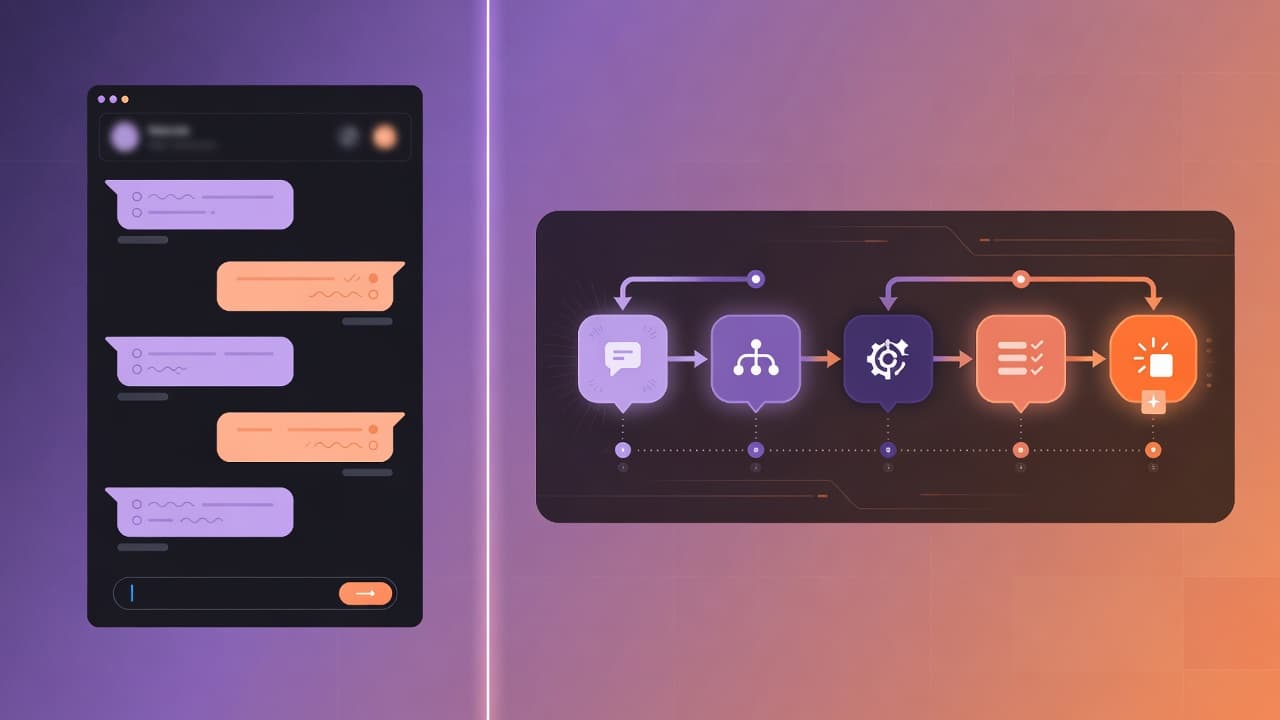
Build n8n Workflows with Claude Code: n8n-MCP Setup Guide (2026)
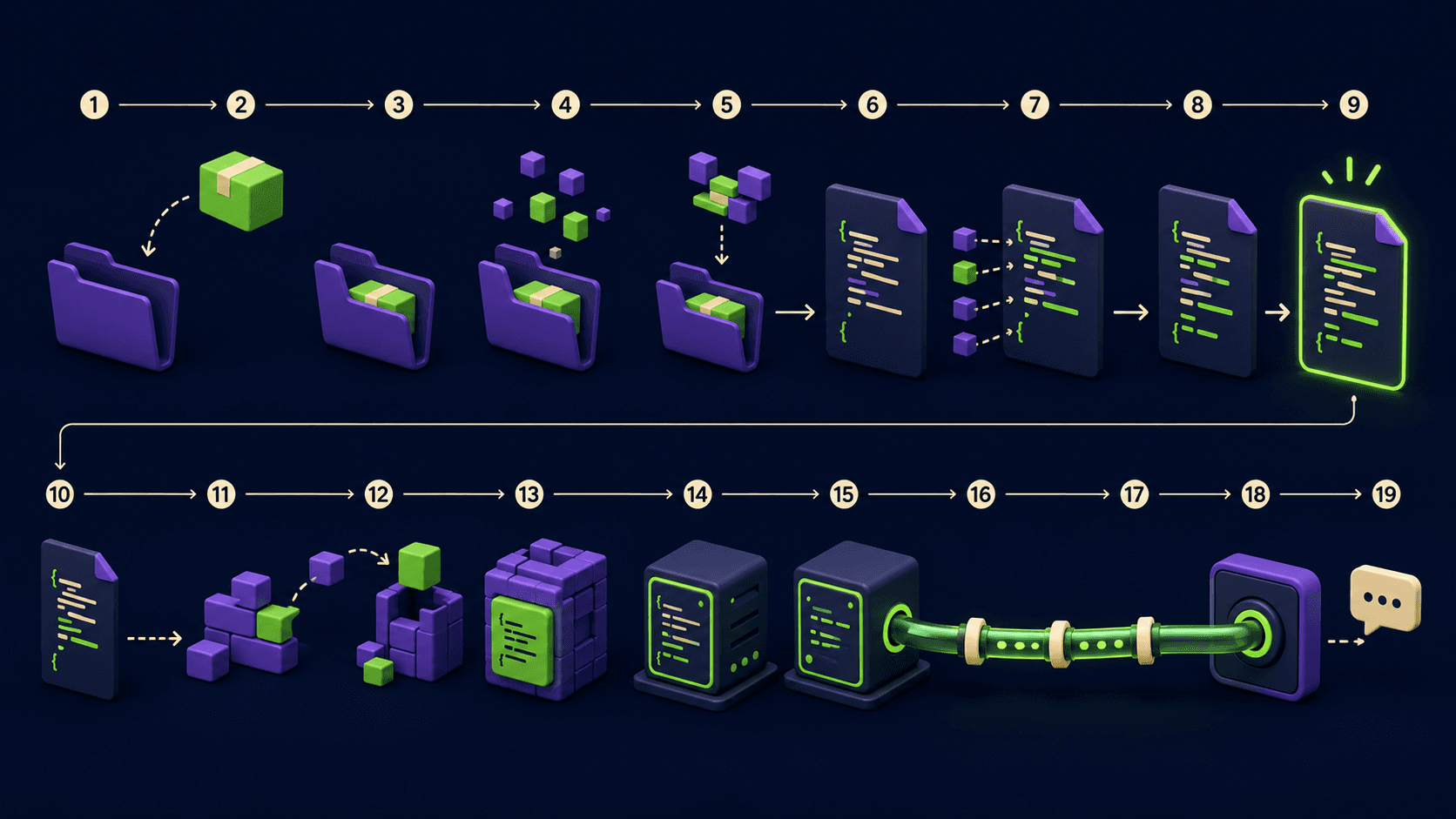
Ship Your First MCP Server in 20 Minutes (2026)
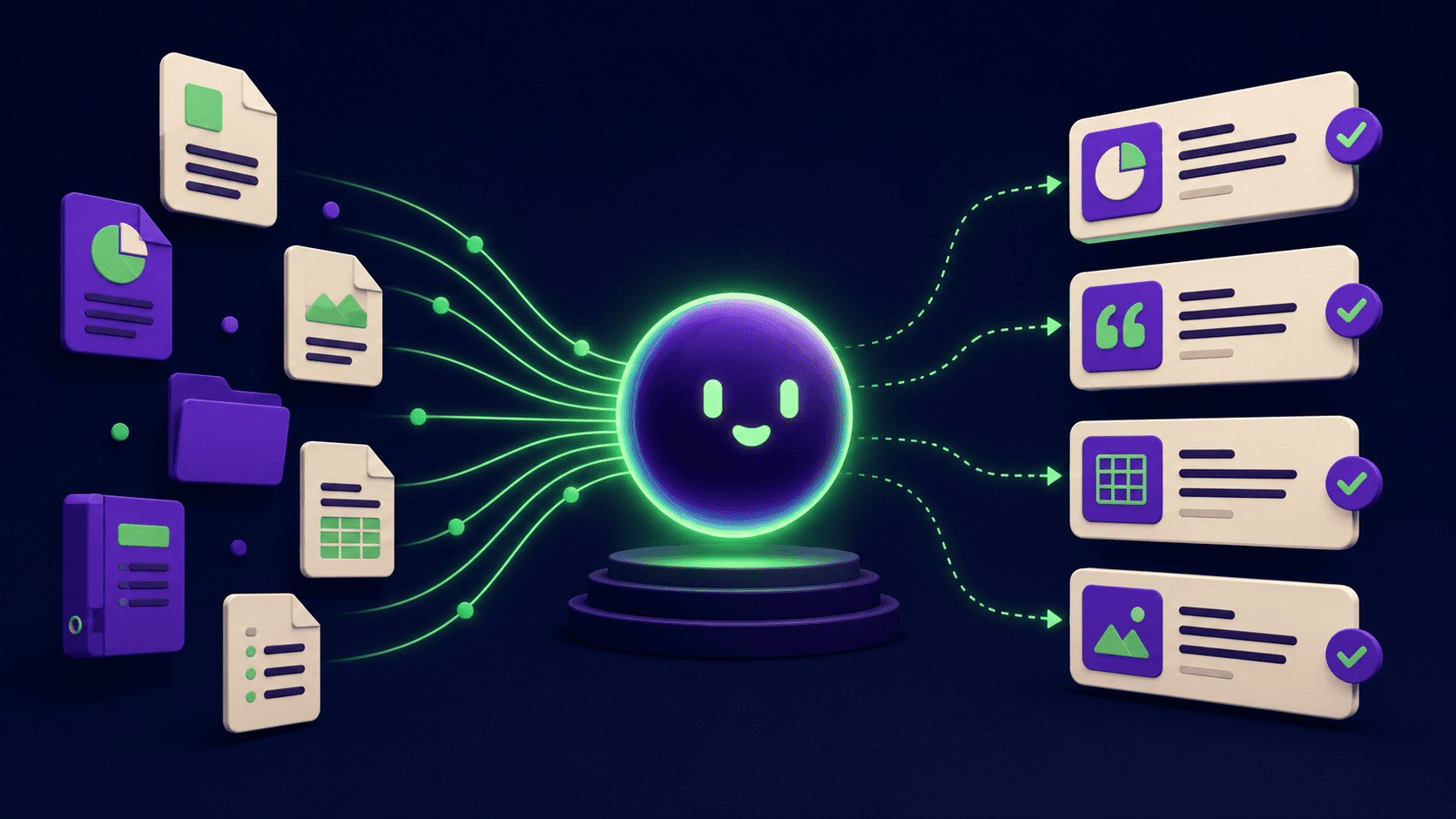
Build an Internal Knowledge Bot (RAG) for Your Company: A No-Nonsense Guide
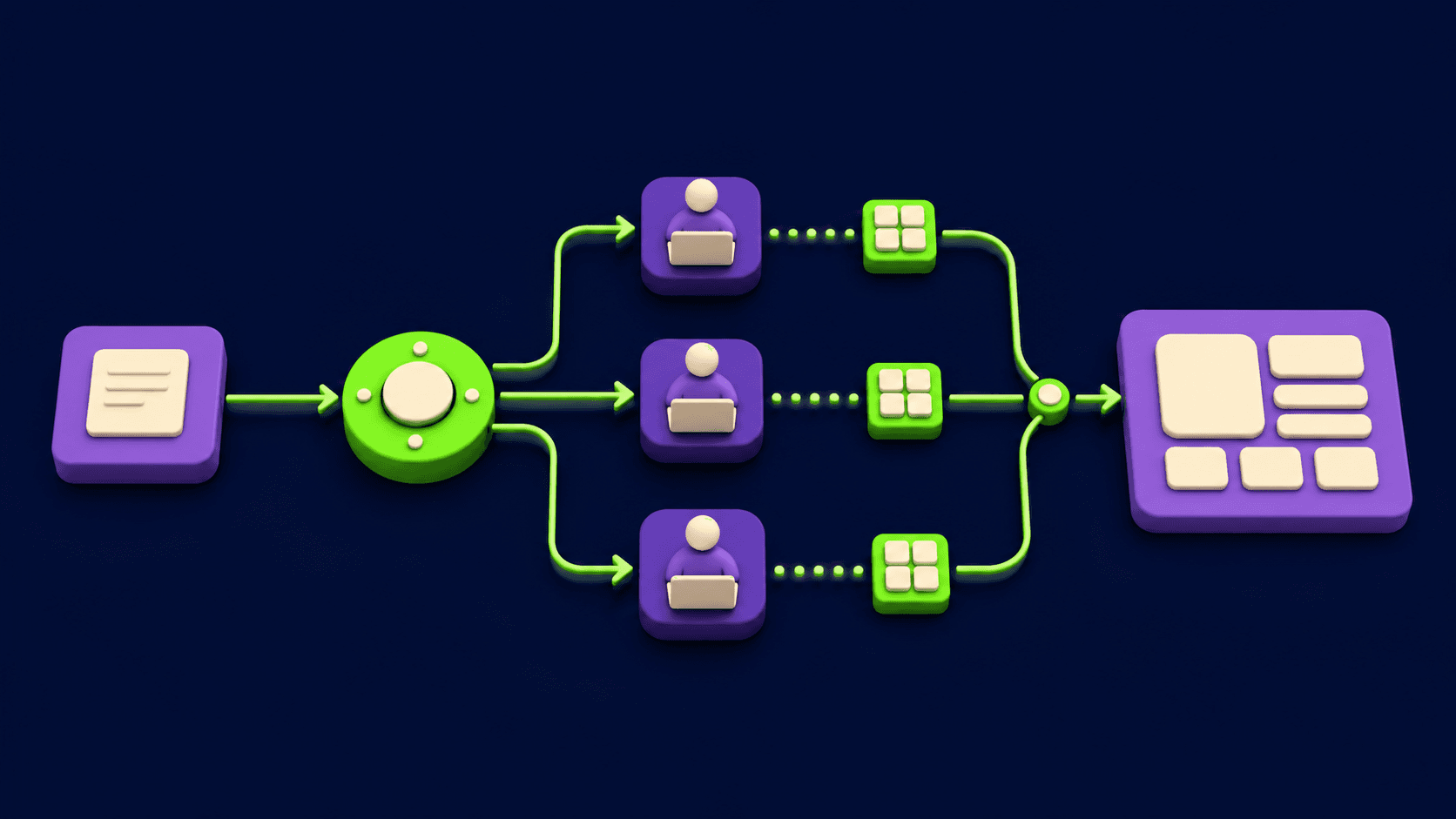
Orchestrator-Workers: The Multi-Agent Pattern That Actually Scales (2026)