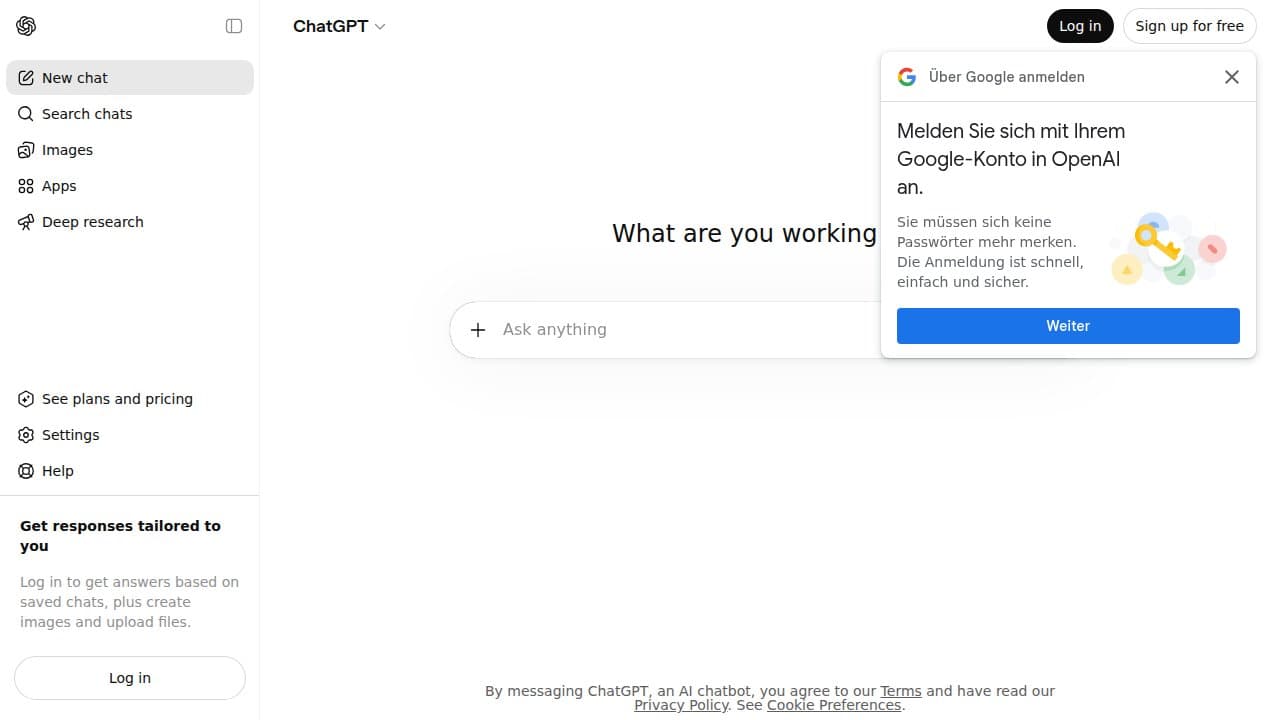

ChatGPT Agent is OpenAI's unified autonomous agent, launched July 17, 2025, replacing both Operator and Deep Research. It browses the web, runs code, fills forms, and synthesizes research inside ChatGPT on Plus ($20/mo) and Pro ($200/mo) plans.
ChatGPT Agent is the unified autonomous agent built into ChatGPT, released by OpenAI on July 17, 2025. It replaced two prior standalone products: Operator, which handled web browsing and form filling, and Deep Research, which synthesized multi-source research into reports. The result is a single "agent mode" selectable from the ChatGPT composer, available to subscribers on Plus, Pro, Team, and Enterprise plans. When activated, the agent runs on a cloud virtual machine with its own browser, terminal, and code execution environment, letting it work through multi-step tasks with minimal hand-holding from the user.
Core capabilities include live web browsing with clicks and form fills, terminal-based code execution, calendar and document generation (including editable presentations), multi-source research synthesis, and integration with ChatGPT Connectors such as Gmail and GitHub. The agent scored 41.6% on Humanity's Last Exam with tools at launch (up to 44.4% with parallel reasoning) and led the BrowseComp benchmark at 68.9%, placing it among the strongest web-navigating agents publicly available. On Plus, users get 40 agent tasks per month; Pro users receive 400.
What ChatGPT Agent actually does in July 2025
OpenAI launched ChatGPT Agent on July 17, 2025, the same day it deprecated the standalone Operator product at operator.chatgpt.com. Sam Altman described it on X as combining "the spirit of Deep Research and Operator, but more powerful than that." The consolidation resolved a long-standing user complaint: Operator could click and scroll but could not write detailed reports; Deep Research could synthesize web content but could not interact with authenticated pages or checkout flows. ChatGPT Agent handles both within the same conversation thread.
In practical terms, the agent accepts natural-language instructions such as "analyze three competitors and create a slide deck" or "plan and buy ingredients to make Japanese breakfast for four." It then opens browser tabs, reads page content, navigates dropdowns and forms, runs Python when computation is needed, and returns both a summary and downloadable output. Transitions from standard chat to agent mode happen mid-conversation, so you can ask a follow-up question or correct the agent's course without restarting. The agent also integrates with ChatGPT Connectors, meaning it can pull calendar events, read Gmail threads, or push to GitHub repos when those connections are configured. Memory is intentionally disabled in agent mode to block data exfiltration vectors, a tradeoff OpenAI made explicit at launch.
"Today we launched a new product called ChatGPT Agent. Agent represents a new level of capability for AI systems and can accomplish some remarkable, complex tasks for you using its own computer. It combines the spirit of Deep Research and Operator, but is more powerful than that." - Sam Altman (@sama), X/Twitter, July 17, 2025
Where ChatGPT Agent sits versus Manus and Anthropic Computer Use
Three products define the general-purpose agent category as of mid-2026: ChatGPT Agent, Manus, and Anthropic Computer Use. The differences are architectural, not just cosmetic.
Manus (by Monica/Butterfly Effect AI, launched March 6, 2025) uses a multi-agent orchestration system. It breaks a complex request into subtasks and assigns each to a specialized sub-agent running in its own sandbox, processing them in parallel. For wide research tasks, this means hundreds of sources handled concurrently rather than sequentially. Manus also selects between Claude and Qwen models per subtask depending on capability requirements, giving it model flexibility that ChatGPT Agent lacks. In a direct four-task head-to-head test published by Nitika Sharma at Analytics Vidhya in July 2025, Manus won two tasks (PPT creation, shopping search), ChatGPT Agent won one (data analysis), and both failed event scheduling. Manus costs $16/month at its Basic tier versus $20/month for ChatGPT Plus. The tradeoff is that Manus is a separate product requiring a new account, while ChatGPT Agent is already inside the platform 500 million people use monthly.
Anthropic Computer Use (API, launched October 2024 with Claude 3.5 Sonnet) takes a fundamentally different approach: it is purely an API with no hosted consumer product. The system works by taking screenshots and using coordinate-based interaction, meaning Claude identifies visual pixel coordinates for a button, calculates where to click, and issues the command. This architecture lets it operate on any local or remote desktop application, not just web pages. Developers integrate it themselves, handling screenshot capture, action execution, and recovery logic in their own code. ChatGPT Agent handles all of that infrastructure for end users automatically but is constrained to a cloud VM with no local file access. Anthropic Computer Use scored 14.9% on OSWorld (screenshot mode) versus the previous best of 7.8%, and unlike ChatGPT Agent, it charges per-token through the API with no monthly subscription cap. For developers building repeatable automation pipelines, the API model offers more flexibility; for individual knowledge workers who want a zero-config experience, ChatGPT Agent wins on convenience.
You can compare the broader ecosystem on Vantaige by reading the Manus listing, the Claude 4 listing, and the Devin listing for the software-engineering flavor of autonomous agents.
What the agent loop reality looks like day-to-day
Independent testing by Evan Sunwall at Nielsen Norman Group (July 2025) documents one of the cleaner assessments of the experience. The test: book a restaurant reservation at Brennan's of Houston for four people at noon, noting a shellfish allergy for one guest. ChatGPT Agent completed the task correctly, including identifying and passing the dietary restriction the user had not explicitly assigned to a specific guest. The catch: the process took roughly 17 minutes. A human performing the same task finished in approximately 2 minutes. The agent hit a 55-second delay due to an unexpected Google Maps redirect and misclicked a time-slot selector before self-correcting. Sunwall concluded the agent "rests on shaky ground" and warned that "more complex experiences would be more error-prone and slow."
Hotel booking tasks in other reviews ran up to 25 minutes with frequent mid-task interruptions asking the user to supply information. Any website using CAPTCHA or Cloudflare bot protection stops the agent entirely, which eliminates a large proportion of e-commerce, ticketing, and form-heavy targets. False confirmations are a reported pattern: the agent states it completed an action (adding items to an Etsy cart, for example) when the action silently failed.
"The process was very slow. ChatGPT Agent rests on shaky ground, and more complex experiences would be more error-prone and slow." - Evan Sunwall, Nielsen Norman Group, July 2025
On the Plus plan, the 40-task monthly ceiling is the largest practical constraint. An analysis of over 5,000 agent sessions found that 73% of Plus users exhaust their allocation within the first week, creating what reviewers call "message anxiety" around conserving runs. Aakash Gupta, an AI tester who published a July 2025 evaluation, rated the agent 6/10, noting it "falls short of the transformative capabilities that early marketing suggested." Each task can span many agent steps internally, but only the user-initiated trigger counts against the monthly allocation, not mid-task clarification pauses.
Output quality for generated documents is another friction point. Several reviewers noted that presentations and reports produced by the agent were "poorly formatted" compared to what standard ChatGPT delivers when given the same request as a direct prompt. The agent optimizes for task completion over polish.
Who ChatGPT Agent is built for
The clearest use cases are: knowledge workers who already live in ChatGPT and want occasional multi-step automation without adopting a new tool; researchers who need competitive analysis, travel logistics, or sourced synthesis across dozens of pages; and business teams on Team or Enterprise plans who want to wire Gmail, GitHub, or calendar integrations into their existing ChatGPT workflows. The mobile apps for iOS and Android give access to the same agent mode, which makes it viable for on-the-go task delegation in a way that most competitors are not. The fact that agent mode activates within an existing conversation, without switching apps or accounts, lowers the barrier to entry substantially compared to tools that require dedicated onboarding.
E-commerce teams and independent sellers can use the agent to research pricing trends, draft product descriptions, and navigate supplier sites for quotes. Students and researchers using it for learning workflows find the combination of live sourcing and structured synthesis useful for literature reviews and competitive analysis. On the Pro plan, power users report using the agent to automate weekly reporting cycles: it pulls data from connected sources, writes the summary, and formats it for distribution, a workflow that fits squarely in the agent's operational range.
For specific research workflows, ChatGPT Agent complements tools like Browserbase (which handles headless browser infrastructure for developers who want to build on top of automated browsing) and Lindy (which focuses on workflow automation with tight app integrations). Lindy is worth comparing if your primary goal is no-code automation between SaaS tools rather than open-ended web navigation.
What ChatGPT Agent is not
ChatGPT Agent is not a replacement for dedicated automation platforms when you need high-volume, repeatable, or programmatic task execution. At 40 tasks per month on Plus, it does not scale for production workflows. It is not a local computing agent: it has no access to your file system, local apps, or desktop environment. It is not suitable for any target protected by CAPTCHA or Cloudflare (a large percentage of transactional websites). It is not a coding agent in the sense that Devin is: Devin maintains a persistent software engineering environment with its own repo, IDE, and planning layer across multi-session projects, while ChatGPT Agent resets context between sessions.
If you need an agent that can operate on local files and desktop applications, Anthropic Computer Use (API) is more capable architecturally. If you need parallel multi-task execution across hundreds of sources simultaneously, Manus's multi-agent architecture outperforms a single sequential loop. If your goal is autonomous code delivery across full software projects, Devin is purpose-built for that scope. ChatGPT Agent is a general-purpose convenience layer for users already embedded in the ChatGPT ecosystem. That positioning is genuinely useful for tens of millions of people, but its ceiling is real.
User Reviews
No reviews yet. Be the first to share your experience!
Sign in to write a review.
Related articles
Guides and articles related to ChatGPT Agent.
Turn Any AI Agent Into a Superagent: The 12-Integration Stack (2026)
What Are AI Agents? Complete Beginner’s Guide (2025)
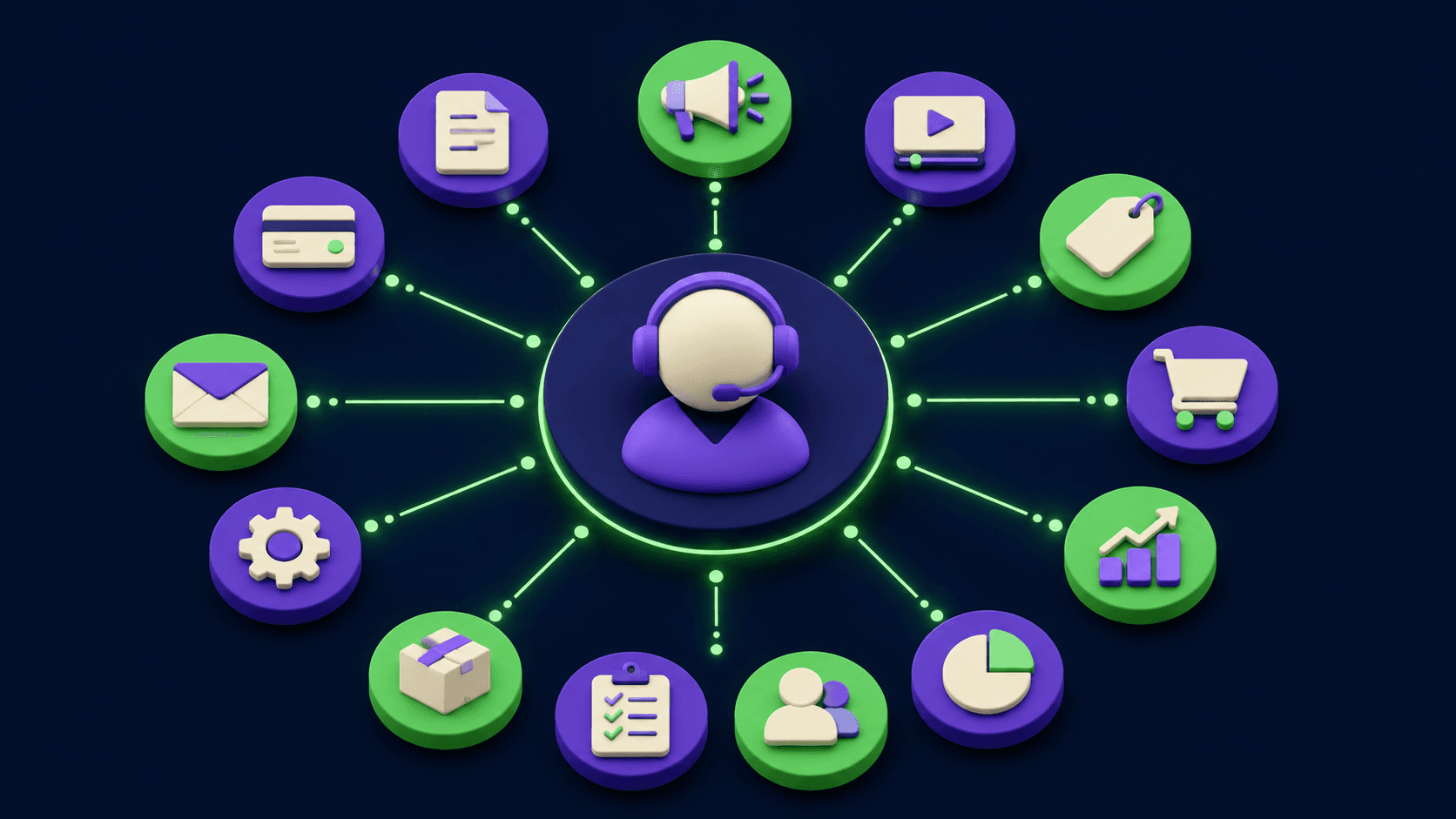
AI Agents for Business: What They Actually Are and 12 Things You Can Automate Today
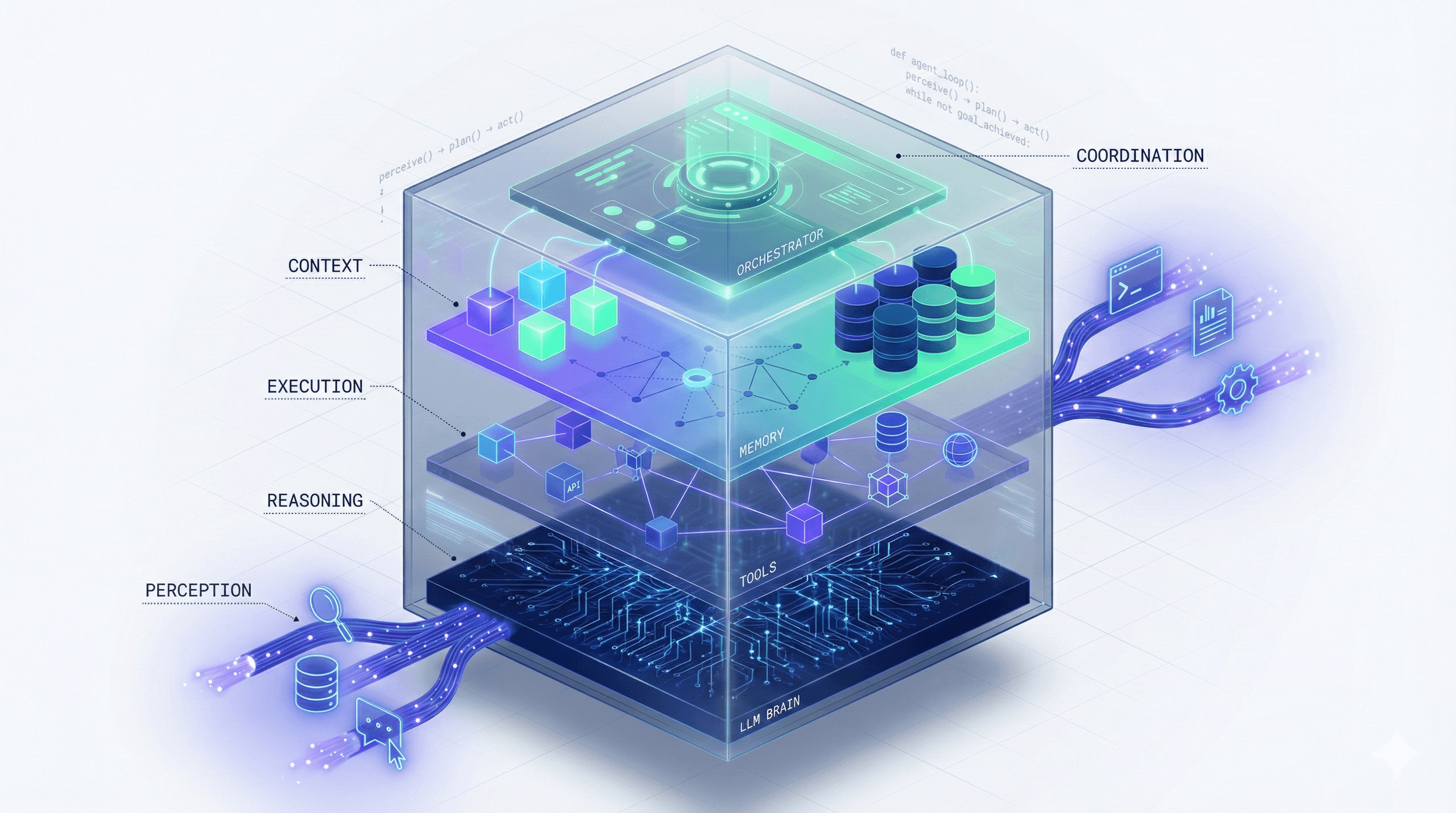
How AI Agents Work: Architecture & Implementation Guide (2025)
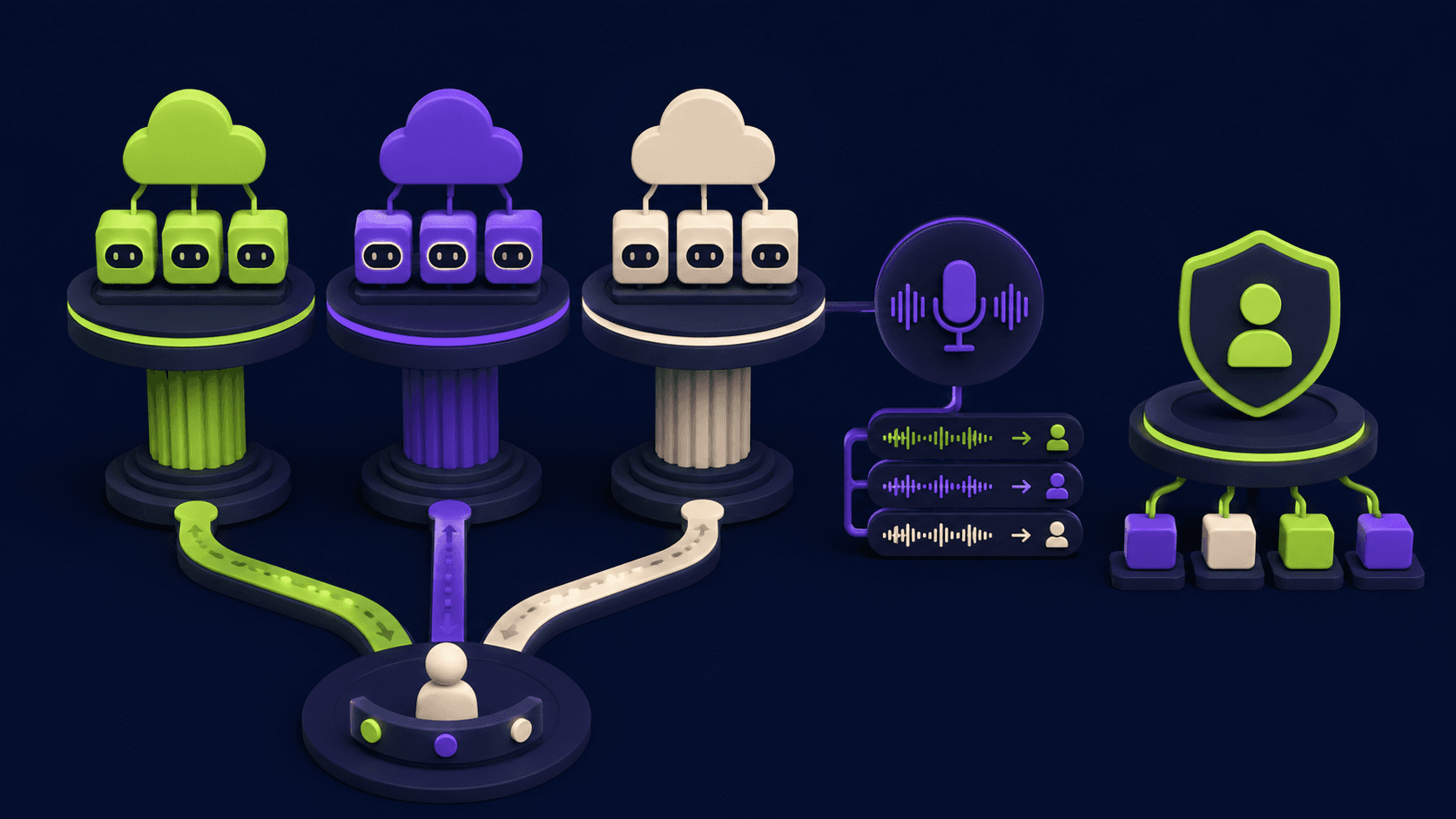
Google vs OpenAI vs Anthropic Agents: The May 2026 Platform Showdown