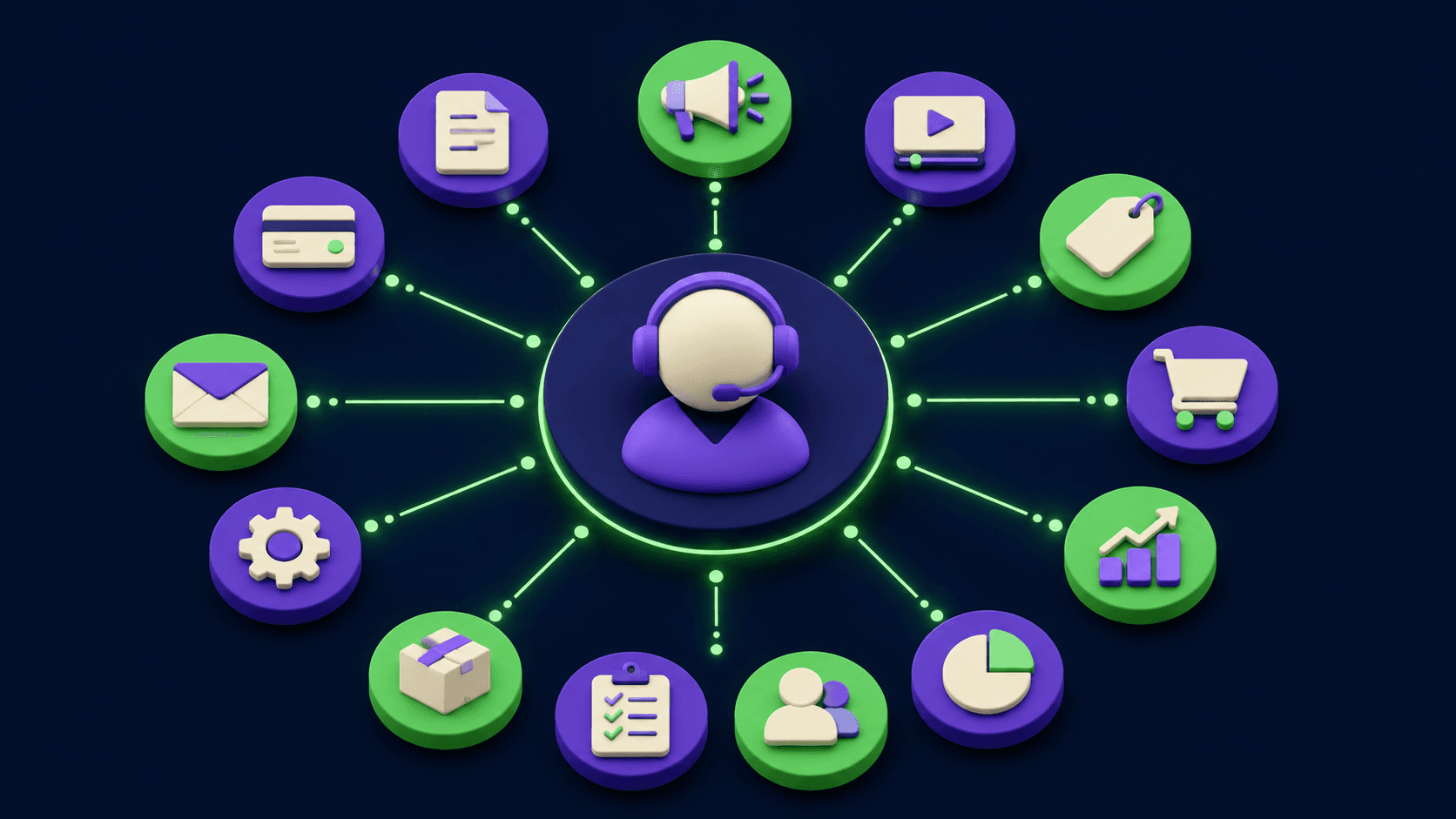

Outreach is an enterprise sales execution platform that combines AI-powered email sequencing, real-time call intelligence via Kaia, and autonomous revenue agents to help large sales organizations manage pipeline, forecast accurately, and close complex deals.
Outreach is a sales execution platform built for enterprise revenue teams. Founded in 2014 and now operating primarily at outreach.ai, it has grown from an email sequencing tool into a full revenue operations suite covering prospecting automation, conversation intelligence, deal management, forecasting, and AI-powered coaching. More than 6,000 organizations use it, with 390,000 weekly active users processing close to 44 million deals per year. The platform sits in the same competitive tier as Salesloft and is considerably more expensive than tools like Apollo.io, targeting teams with the budget, headcount, and complexity to justify the investment.
The platform's core modules include multi-channel Sequences with conditional branching and out-of-office auto-pause, Outreach Kaia (real-time call transcription and coaching AI), Smart Email Assist (AI-generated email drafts drawing on past conversation context), Smart Deal Assist (deal health analysis from the last 10 meetings and 80 emails per opportunity), Outreach Commit (pipeline forecasting, originally acquired from Canopy.io in 2021), and a suite of AI Revenue Agents launched in May 2025 that automate prospecting, renewal management, and event follow-up workflows. In February 2026, Outreach joined Anthropic's Model Context Protocol ecosystem, making Kaia call data and revenue insights accessible to Claude and other external AI systems without custom engineering work.
What Outreach actually is in May 2026
Outreach positions itself as an AI Revenue Execution Platform, a label that reflects how far the product has moved from its 2014 roots as a sales email sequencer. The platform now handles the full revenue workflow: finding prospects, contacting them across channels, coaching reps through conversations in real time, tracking deal health, and forecasting pipeline. Every major layer has an AI component layered on top.
Kaia (Knowledge AI Assistant) is the centerpiece of the AI stack. It records and transcribes calls in real time, surfaces "content cards" during live conversations (pulling product details, competitor responses, objection handlers), detects competitor mentions, and generates post-meeting summaries with action items that sync directly to Salesforce or Dynamics 365. By 2025, Kaia analyzed 2.5 million calls per year and delivered 514,000 hours of coaching support across the user base.
The AI Revenue Agents, launched in May 2025, represent Outreach's push into autonomous workflow execution. The Deal Agent monitors opportunity health and recommends CRM updates without manual intervention. The Research Agent runs scheduled account research that refreshes daily, weekly, or monthly. The Meeting Prep Agent generates pre-call briefings automatically. A Call Agent handles call-related workflows. These are not chatbot-style assistants asking for confirmation at every step; they are designed to complete defined tasks and surface output for rep review, not to replace the rep's judgment on high-stakes decisions. Outreach's stated direction for 2026 is full AI orchestration across the revenue lifecycle, which means agents that can run entire deal cycles rather than individual tasks. Tools like 6sense focus on intent data and account prioritization; Outreach focuses on execution once the target is identified.
The platform integrates with Salesforce (Lightning and Classic), Microsoft Dynamics 365, Google Workspace, and as of 2025, Snowflake and Databricks for data cloud connectivity. Bi-directional CRM sync runs every 10 minutes. The Smart Email Assist feature was substantially updated in August 2025, adding buyer signal-based personalization on initial outreach emails, not just replies, which closes a gap that users had flagged since the feature's first beta release in 2024.
Where Outreach sits versus Salesloft and Apollo.io
Outreach and Salesloft are the two entrenched enterprise platforms in this category, and the differences are more architectural than philosophical. Salesloft's AI prioritization engine is called Rhythm, which scores and reorders rep task queues dynamically using machine learning. Outreach does not have an equivalent single-queue prioritization layer; instead, it applies AI within individual modules (Kaia for calls, Deal Assist for pipeline, Revenue Agents for specific workflows). Salesloft ships a native Android app with core feature access; Outreach launched Kaia mobile recording in mid-2025 but has no native mobile app for sequencing or deal work, only a responsive web interface. For teams where reps live on phones or work in-person settings, this is a real difference. On CRM breadth, Salesloft supports HubSpot natively alongside Salesforce and Dynamics, while Outreach's HubSpot integration has historically been less tight and is one of the top integration complaints in user reviews. Both platforms run $125-180 per user per month on annual contracts with no monthly option.
Apollo.io is a different type of competitor. Apollo is fundamentally a data and sequencing platform: it ships with 275 million-plus contact records built in, so teams can prospect and reach out without leaving the tool. Outreach has no native data layer; contacts must come from CRMs or third-party enrichment services like ZoomInfo or Clay. Apollo publishes pricing ($49-$119 per user per month), Outreach does not. Apollo's AI features are lighter-weight and skew toward SMB. Outreach's AI agents, forecasting depth, and Kaia coaching tooling are considerably more mature for enterprise deal complexity. The two tools rarely compete for the same buyer: Apollo wins for outbound-first teams under $5M ARR, Outreach wins for enterprise AEs managing multi-stakeholder pipeline worth six to seven figures per deal.
"Outreach continues to be the category leader for sales engagement." - Scott B., Head of Sales, Capterra, February 2026
How AI actually works inside Outreach
The AI in Outreach is not a single model or a chatbot layer bolted onto existing features. It is distributed across specific workflow moments, and the depth varies by module.
Kaia is the most mature AI component. It has been in production since Summer 2020, when Outreach announced it at the Unleash Virtual Summit. At launch it could transcribe calls via Zoom and surface content cards in real time. Over the following five years the feature expanded significantly: Google Meet verification (May 2024, the only conversation intelligence solution Google has verified as secure and trustworthy for Meet), embedded Zoom app support (August 2024, eliminating the separate pop-up window), Custom Topics for manager-defined tracking categories beyond the 22 out-of-the-box themes, AI-powered Coach Cards with deep links to specific conversation moments, Kaia APIs for third-party integration (February 2026), and mobile in-person recording via the Outreach app. The February 2026 MCP integration means Kaia's call data is now accessible inside Claude for analysis and workflow triggering without custom API work.
Smart Deal Assist reviews the last 10 meetings and 80 emails associated with an opportunity, generates a deal health summary, and surfaces risks and recommended actions. The Deal Agent takes this further by supporting custom sales methodologies, enabling automatic CRM field updates without rep intervention, and generating an AI Deal Summary for at-a-glance status. Smart Email Assist uses past interaction data and pipeline context to draft emails and replies, reducing composition time substantially according to Outreach's own usage data.
The Research Agent, launched in 2025, runs account research on a configurable schedule and refreshes findings automatically. This solves a real problem: account context goes stale quickly, and most reps do not have time to manually re-research accounts between touch points. The agent handles the refresh and surfaces changes proactively.
"This is the most powerful tool to be introduced in the sales industry in a long time." - Manny Medina, CEO, at Kaia launch, Outreach Unleash Virtual Summit, Summer 2020
The friction and pricing concerns users keep raising
Outreach's most consistent complaints cluster around four areas, and they have not meaningfully improved over time despite the platform's AI maturity.
Pricing opacity is the primary frustration. Outreach publishes no pricing on its website. Getting a number requires a full sales cycle with a quota-carrying AE. Estimates from Vendr and user reports place seats at $100-$160 per user per month on annual contracts, with onboarding running $5,000-$15,000 for most deployments. A 10-person team is looking at $120,000-$180,000 per year before onboarding, support packages, or add-on modules. The opacity itself is the complaint, not just the number: teams cannot budget without a vendor conversation, which adds weeks to a buying process.
The learning curve is steep. The platform's depth is also its UX liability. Users describe the interface as "chaotic" and "confusing." Features are hard to find; bulk edits are tedious; new reps often use a fraction of the available functionality for months. Most enterprise deployments require a dedicated RevOps or sales ops person to configure and maintain the platform. That is an additional headcount cost that does not appear in the per-seat price.
Integration reliability is a recurring technical complaint, particularly around HubSpot sync (described by multiple reviewers as breaking every two weeks) and Salesforce export glitches. Email sync failures are also mentioned frequently in G2 and Capterra reviews. These are not edge cases; they appear across independent reviews over multiple years.
Contract terms draw the sharpest criticism. Annual contracts with narrow auto-renewal cancellation windows mean that missing the window by hours can result in a full additional year of billing. At least one user reported account termination despite automatic renewal being enabled, with restoration requiring purchase of additional licenses. "Predatory" is the word multiple reviewers use. Enterprise legal teams can negotiate these terms, but smaller buyers often cannot.
Who Outreach is for
Outreach earns its place for enterprise sales organizations running complex, multi-stakeholder deals where pipeline visibility, rep coaching, and forecast accuracy are worth paying for. The platform works best when a team has at least 50 reps, a dedicated RevOps function, Salesforce as the system of record, and an annual software budget that can absorb $100,000-plus for this platform alone. At that scale, the ROI math works: Kaia's coaching tooling, the Deal Agent's pipeline hygiene automation, and the Revenue Agents' prospecting workflows collectively save enough rep time to justify the cost.
Skip it when the team is under 20 people, has no RevOps support, is HubSpot-primary rather than Salesforce-primary, or is on a self-serve buying budget. At smaller scale, Apollo.io or even a combination of Apollo with a lighter sequencing layer will do the job at a fraction of the cost and complexity. Teams that want AI-powered intent signals driving top-of-funnel prioritization should evaluate 6sense or ZoomInfo as upstream layers that feed into Outreach, rather than expecting Outreach to solve the data sourcing problem.
User Reviews
No reviews yet. Be the first to share your experience!
Sign in to write a review.
Related articles
Guides and articles related to Outreach.

How to Build an AI Outbound Stack From Scratch: The Complete 2026 Playbook

AI SDR vs Human SDR: The Real Cost, Performance, and What Nobody Tells You
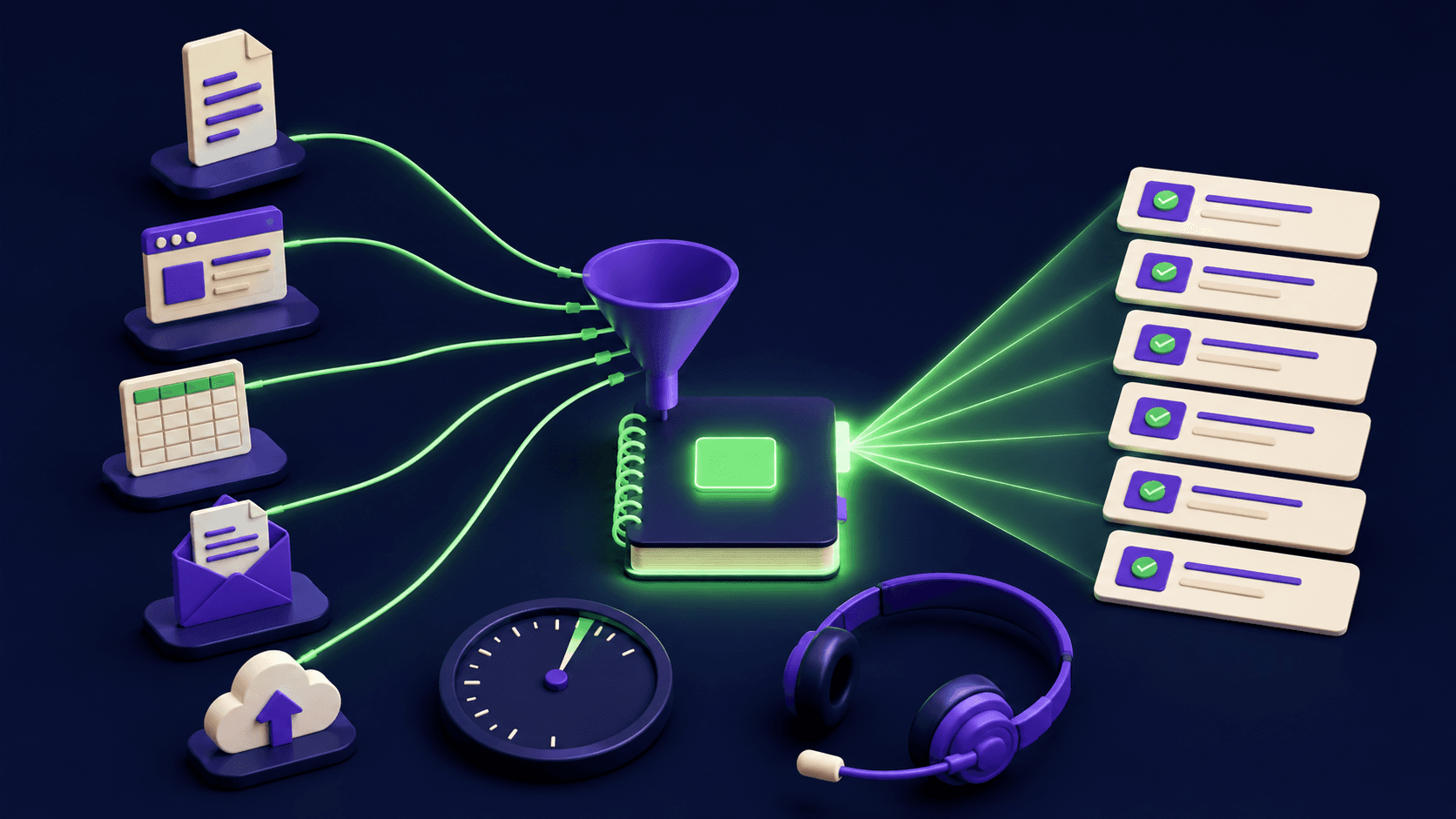
NotebookLM Sales Call Prep: 5 Sources, 6 Questions, 60 Seconds (2026)
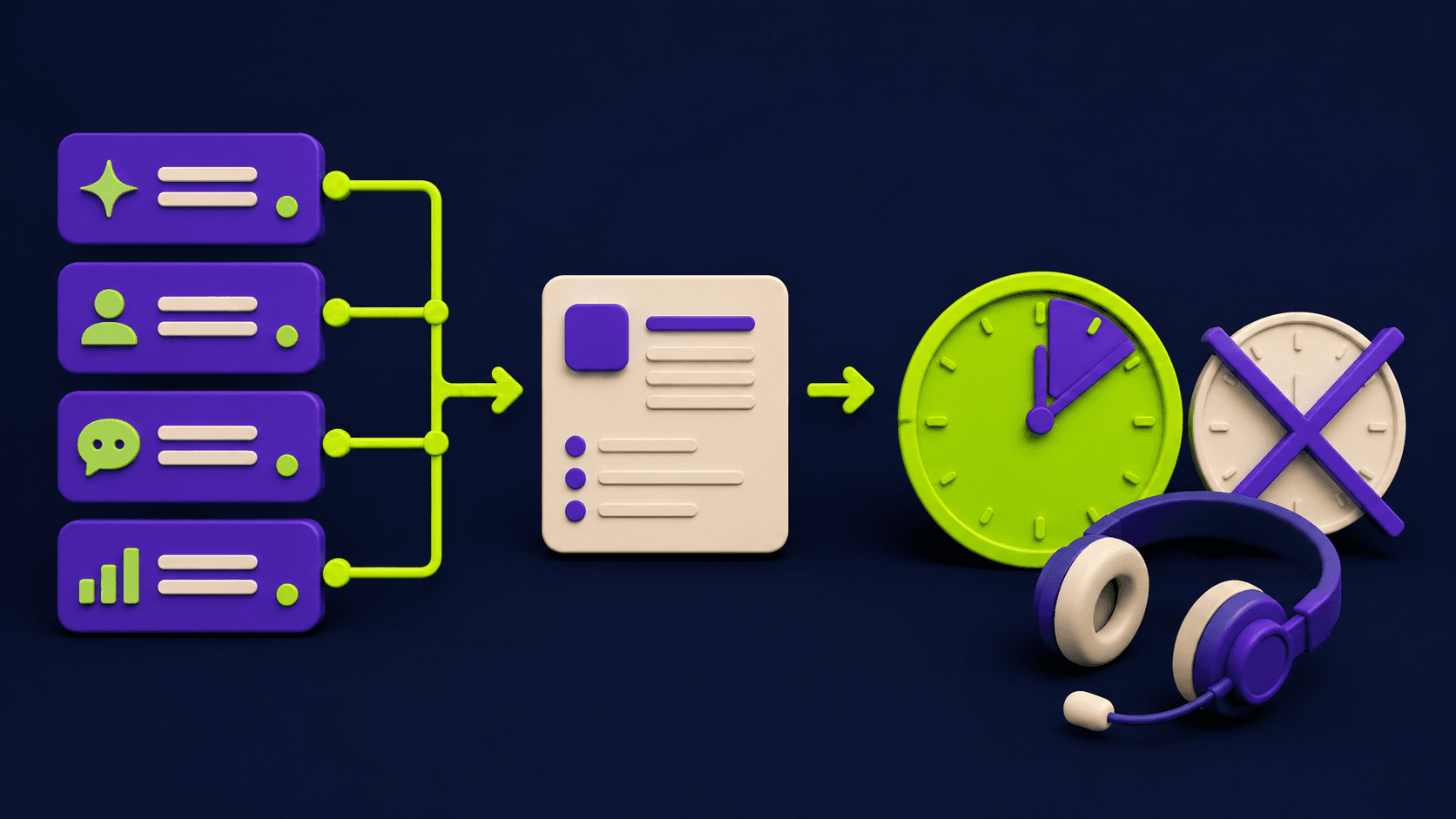
Discovery Call Prep With ChatGPT: The 4-Prompt Sequence That Wins (2026)
The Signal-Based Outbound Playbook: Use Intent Data to Raise Reply Rates