
Modelia is an AI fashion and jewelry model generator for small brands: turn flat-lays into on-model photos, lock one consistent AI model across a catalog, and try garments, footwear, and accessories on diverse models. A low $12 entry, though the free tier is watermarked and non-commercial.
Modelia is an AI fashion model generator aimed at the small brand that cannot stomach a photoshoot bill. Upload a flat-lay, a ghost-mannequin shot, or an existing model photo, and Modelia produces a photorealistic on-model image, then keeps generating across your catalog with the same AI model so the whole collection looks consistent. It was founded in 2024 by Ivan Rodriguez and Rene Haas, a Madrid team with a generative-AI and computer-vision background, and it has moved fast: clients now include Desigual, Forever 21, Reebok, and the parent of Pepe Jeans, and the platform has processed more than 300,000 SKUs across 26 countries.
What makes Modelia interesting for fashion designers, jewelry makers, and DTC founders is breadth at a low entry price. Beyond flat-lay-to-model, it does model swap, a Consistent Character system, virtual try-on that extends to glasses, footwear, handbags, and hats, an outfit generator, pose changes, short video, and a full set of image utilities (background tools, 4K upscaling, color changes, expression edits). It runs as a web studio and a native Shopify app, with API access on paid plans. For a beginner who wants to test AI fashion photography without a subscription, the $12 one-time plan is the cheapest real way in across this whole category.
What Modelia makes in June 2026
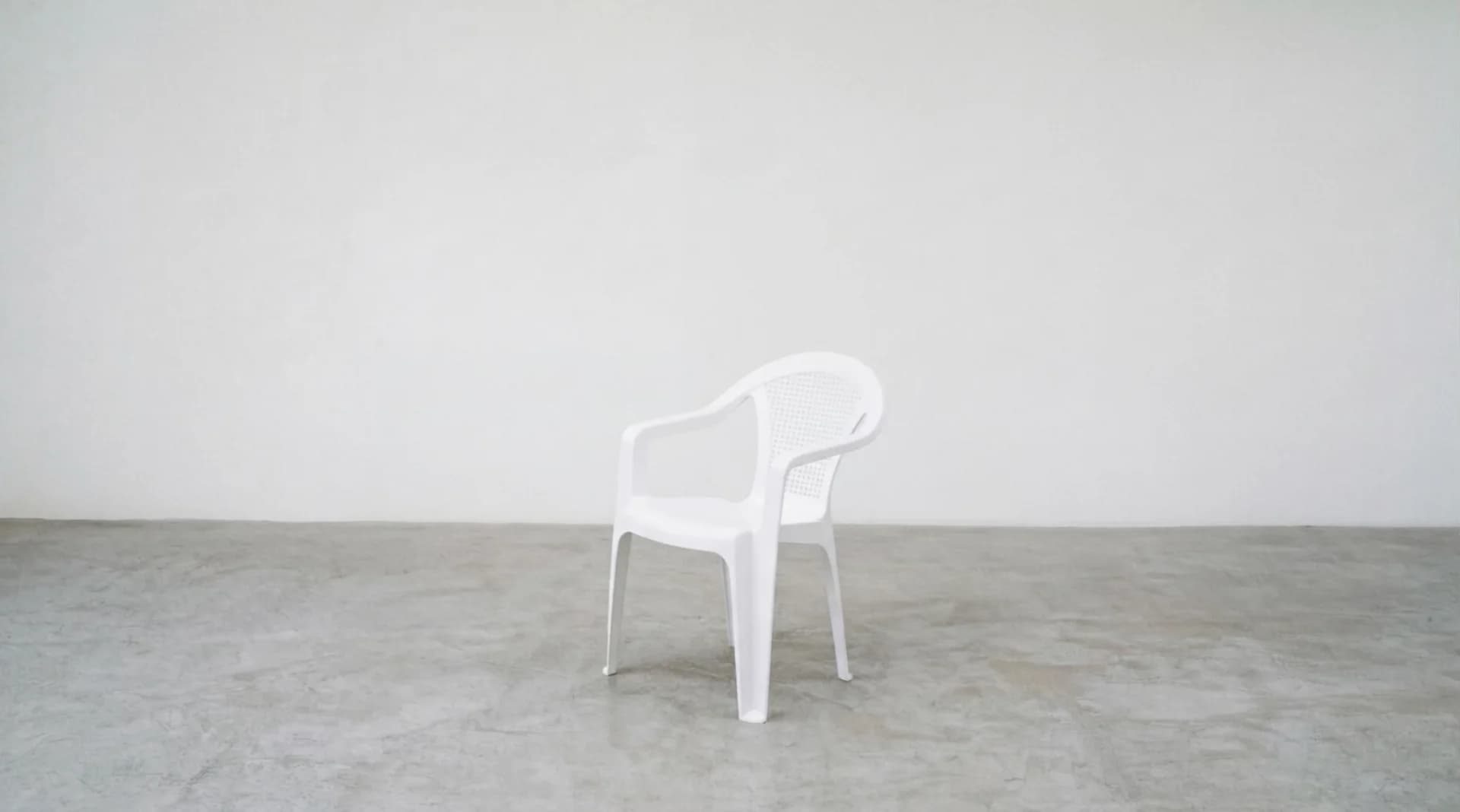
The core is turning a product photo into an on-model shot three ways: Flatlay to Model (garment on a flat surface), Mannequin to Model (ghost-mannequin shots), and Model to Model (swap the model in an existing image while keeping the garment). On top of that sit the tools that make it a full studio. The Outfit Generator combines a top, bottom, and accessories into one styled look. Repose generates new poses from a single model image for a product carousel. The Video Generator animates a still into a 5 to 10 second clip for Reels and TikTok. And a Smart Styler plus utilities like background removal, 4K upscaling, color change, and facial-expression editing handle the finishing.
Standard images cost 3 credits, 4K exports cost 6, and video runs 25 to 40 credits a clip. Most of the differentiation, though, comes from two features worth their own sections: a consistent model identity, and a genuinely broad accessory try-on suite.
Consistent Character: one AI model across your whole catalog
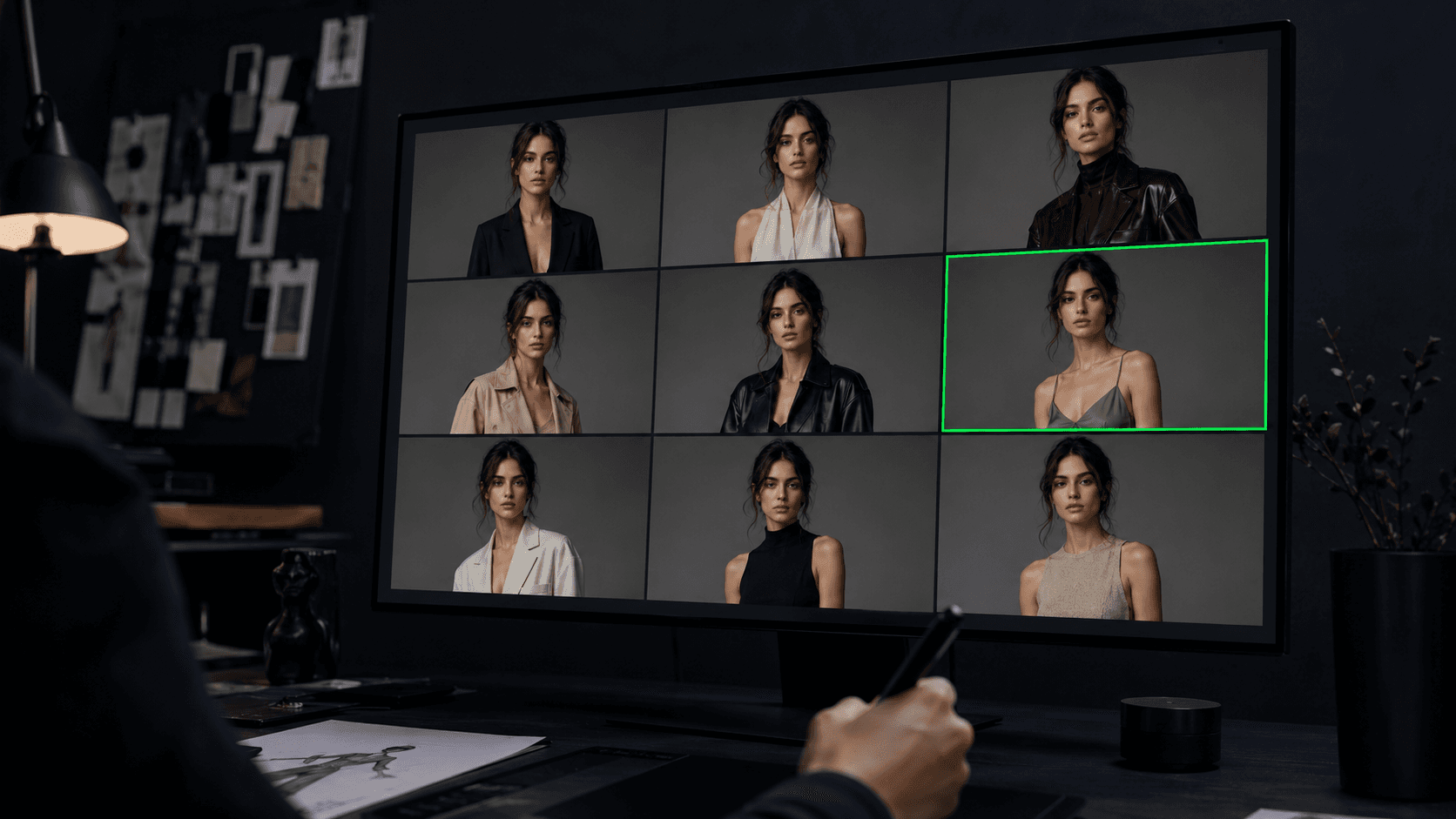
Consistent Character is Modelia's signature. It locks a custom AI model persona, the same face, body, and look, across many garments, poses, and backgrounds, so a 50-piece collection reads like one coordinated shoot instead of fifty strangers. You get 3 characters on Basic, 6 on Pro, and unlimited on Business. For a brand building a recognizable identity, this is the feature that separates a usable catalog from a pile of one-off generations, and reviewers single it out:
"The garments cloned by Modelia are recreated with impeccable precision, down to the stitching. The generated images look exactly like they were shot in a professional studio." (Brand Head, premium brand, via FeaturedCustomers)
It is not flawless. A Shopify reviewer praised the saved-model consistency but noted that "sometimes the handles on our bags change length," a reminder that structural accessory details can still drift between generations. For apparel and faces, though, the consistency is among the better implementations in the category.
AI jewelry, footwear, and eyewear models
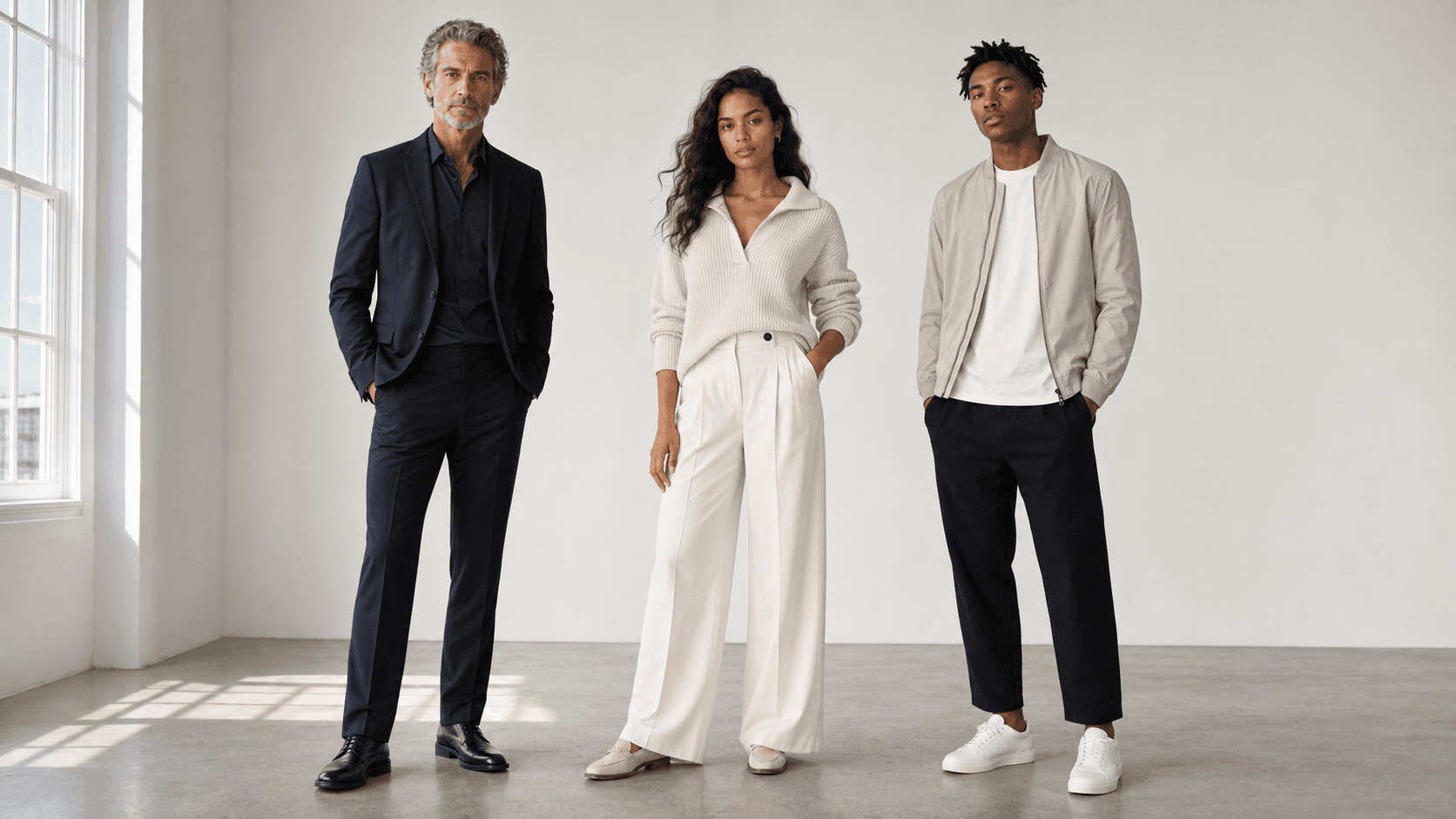
Most tools in this space stop at clothing. Modelia explicitly extends virtual try-on to accessories, with dedicated Glasses On Model, Footwear On Model, Handbag On Model, and Hat On Model tools. That makes it one of the few AI model generators a jewelry designer, an eyewear brand, or a footwear seller can actually use to put their product on a person rather than on a flat lightbox card. Pair that with the diverse model library across ethnicities, ages, and body types, and an accessory brand can show one product on the exact customer demographic it sells to. If your business is necklaces, sunglasses, sneakers, or bags rather than dresses, this accessory breadth is the single best reason to pick Modelia over a clothing-only rival.
Modelia vs Botika vs FASHN.ai
Against Botika, Modelia offers more customizable models, full creative control over pose and background, video, accessory try-on, and transparent public pricing, where Botika leans on a smaller preset library and a Shopify-first workflow with quote-based enterprise pricing. Against FASHN.ai, the trade is breadth versus depth: FASHN has the sharper garment drape and a cheap developer API, but no video, no consistent-character system, and no accessory suite, so it is the developer's tool while Modelia is the small brand's complete toolkit.
Against the volume players, the line is clearer still. Uwear wins for batch scale (10,000-item CSV runs) and offers a shopper-facing try-on widget, while WearView bundles ghost mannequin and video for mid-market catalogs. Modelia's edge over both is the combination of accessory try-on, consistent characters, and that $12 entry point. Choose Modelia when you are a small or growing brand that wants one affordable tool covering clothing and accessories with a consistent model.
Modelia pricing: the $12 way in
Modelia's pricing is unusually friendly to first-timers. The free Starter plan gives 20 credits a month but watermarks every export and forbids commercial use, so treat it as a demo, not a trial. The real entry point is the $12 one-time Project plan: 50 credits that never expire, one consistent character, 4K exports, commercial rights, and no watermark. That is the lowest-risk commercial trial in the category. From there, Basic is $35 a month (250 credits, rollover, 3 characters, API access), Pro is $85 (750 credits, 6 characters, unlimited seats, batch), and Business is $300 (3,000 credits, unlimited characters). Annual billing saves about 20 percent. The one gap is transparency: per-credit top-up and API pricing are not published, so high-volume buyers should confirm rates with sales before committing.
Where Modelia falls short
Three caveats matter. First, reliability is not universal: at least one Shopify merchant reported paying for credits and getting a non-functional generator with no quick support reply.
"Paid credits but the generator does not work at all. Avoid it." (Munsheene, France, Shopify App Store, February 2026)
Second, the free tier's watermark and non-commercial license mean it cannot produce a single usable listing image, which surprises some users. Third, Modelia is Shopify-centric, so WooCommerce, Etsy, and Amazon sellers get less integration value and a manual export workflow. Logo and printed-text fidelity on garments is also not clearly documented, so as with every tool here, spot-check branded apparel before you scale. An earlier 1024-pixel resolution cap that frustrated professional users has since been addressed with 2K standard and 4K on paid plans.
Who Modelia is for, and who should skip it
Modelia is built for small-to-mid clothing brands and Shopify merchants who want one tool covering on-model photos, video, and try-on, for brand teams that need a consistent AI model across a catalog, and especially for jewelry, handbag, footwear, and eyewear sellers who need accessory-specific try-on. It is also the friendliest on-ramp for founders and beginners testing AI fashion photography, thanks to the $12 commercial entry.
Skip it if you need to batch thousands of SKUs in one job, where Uwear or Claid scale better, if you are a developer wanting clean API pricing, where FASHN.ai is cleaner, if you sell off-Shopify and need deep platform integration, or if perfectly preserved logos and printed text are non-negotiable. For the small brand that wants range and a cheap way to start, though, Modelia is one of the strongest all-rounders here.
A real workflow: a small brand's first AI catalog
A 50-SKU DTC label shoots clean flat-lays, then runs Flatlay to Model with one Consistent Character so every product page shares the same model. At 6 credits per 4K image, the catalog runs about 300 credits, comfortably inside the Basic plan, and the whole refresh happens in a day instead of a multi-week shoot. The Video Generator adds a handful of 5-second clips for Instagram, and the Outfit Generator bundles coordinated looks for the homepage. A jewelry or eyewear brand runs the same flow through the accessory try-on tools instead.
The intent is the one driving this entire category: an AI model wearing your clothes or your accessories, generated rather than shot. For the prompt and styling recipes that make those generations look intentional, Vantaige's Prompt Vault collects fashion and AI-model prompts, including looks tuned for jewelry and accessory sellers.
User Reviews
No reviews yet. Be the first to share your experience!
Sign in to write a review.
Related articles
Guides and articles related to Modelia.
Best AI Fashion Model Generators for Clothing Brands (2026)
AI Fashion Prompts That Stay Consistent: The Working Formula (2026)
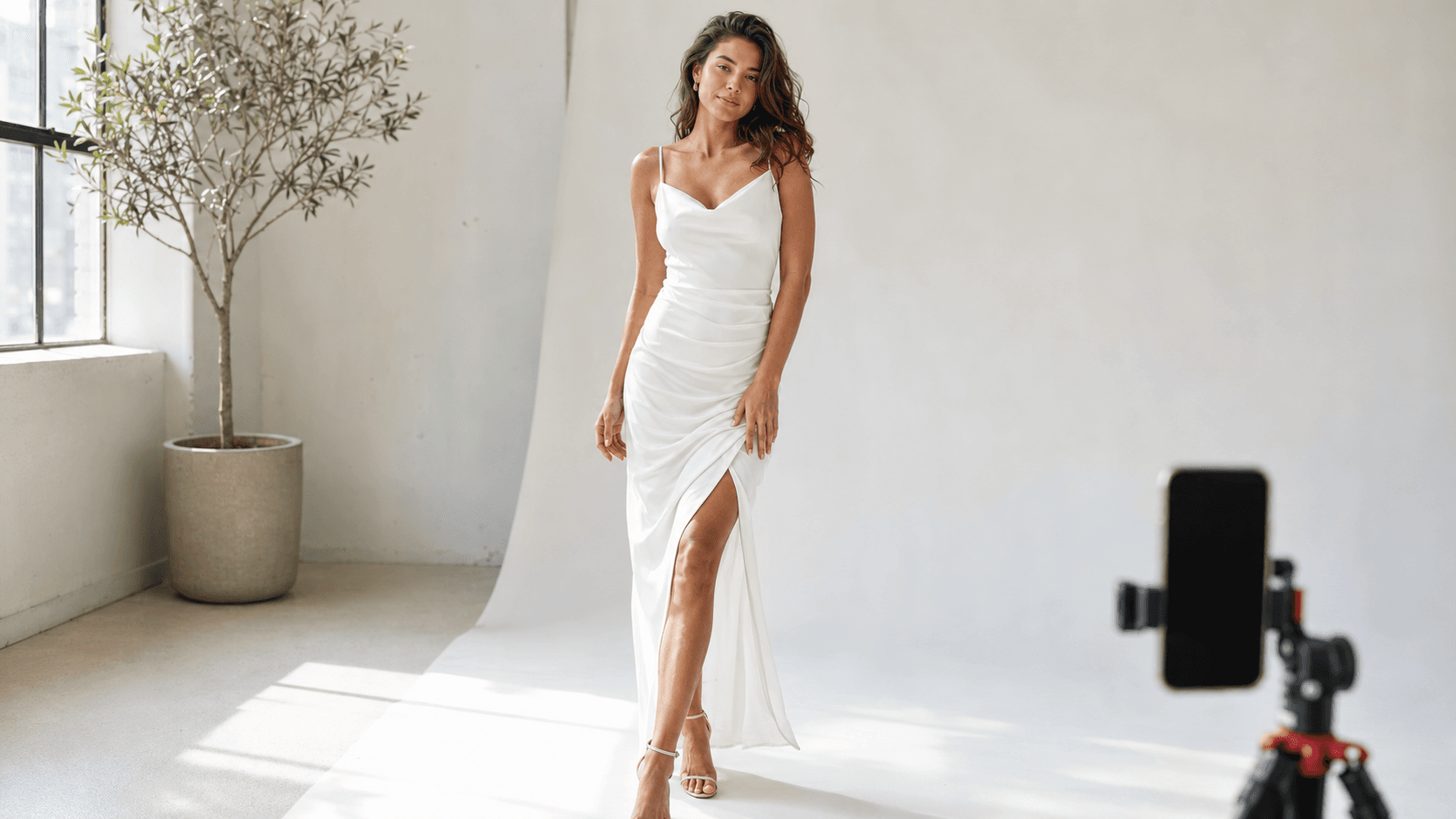
How to Get an AI Model Wearing Your Clothes (Step by Step)
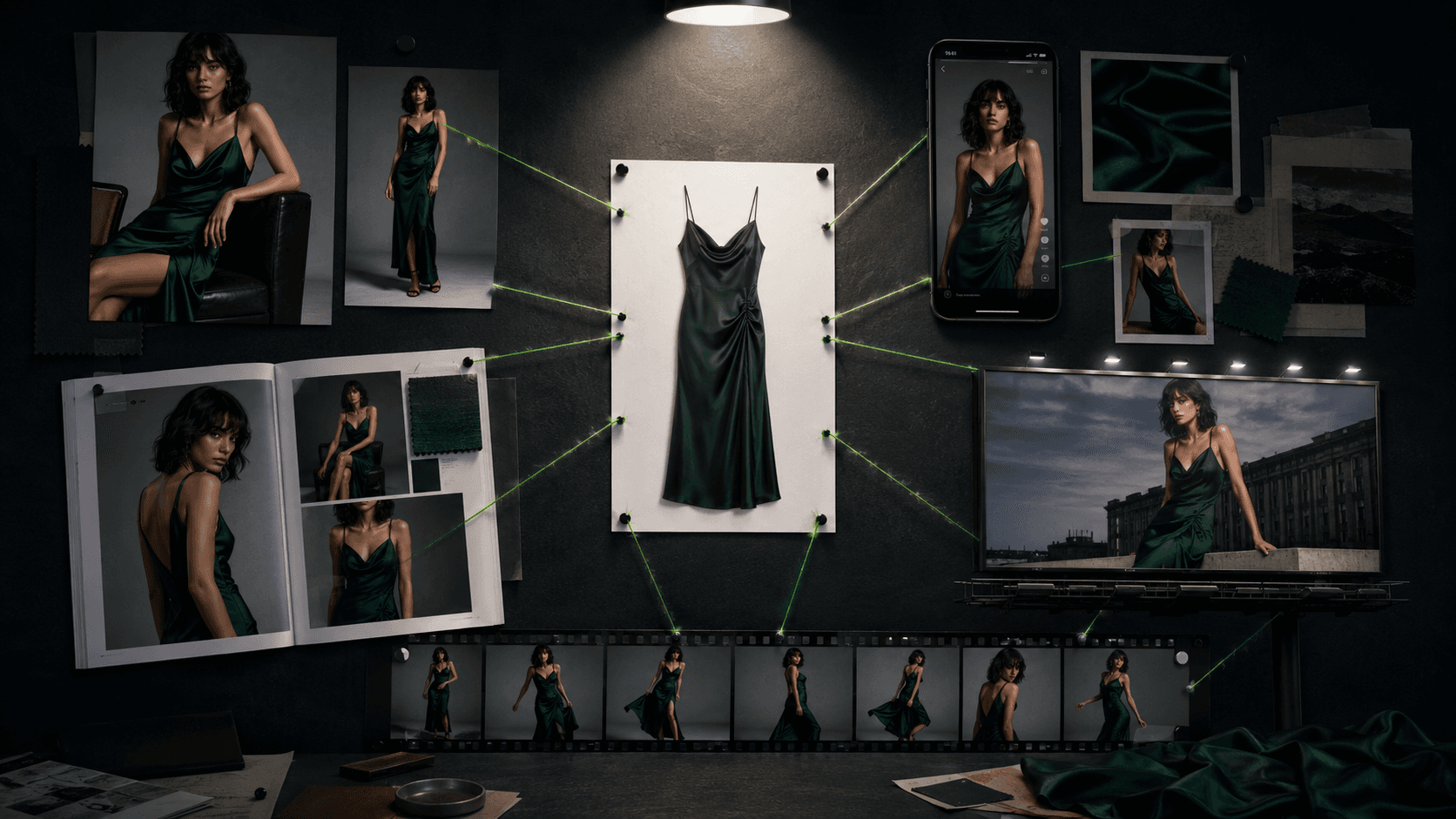
One Product Photo, Full Fashion Campaign: AI Images and Video That Sell (2026)
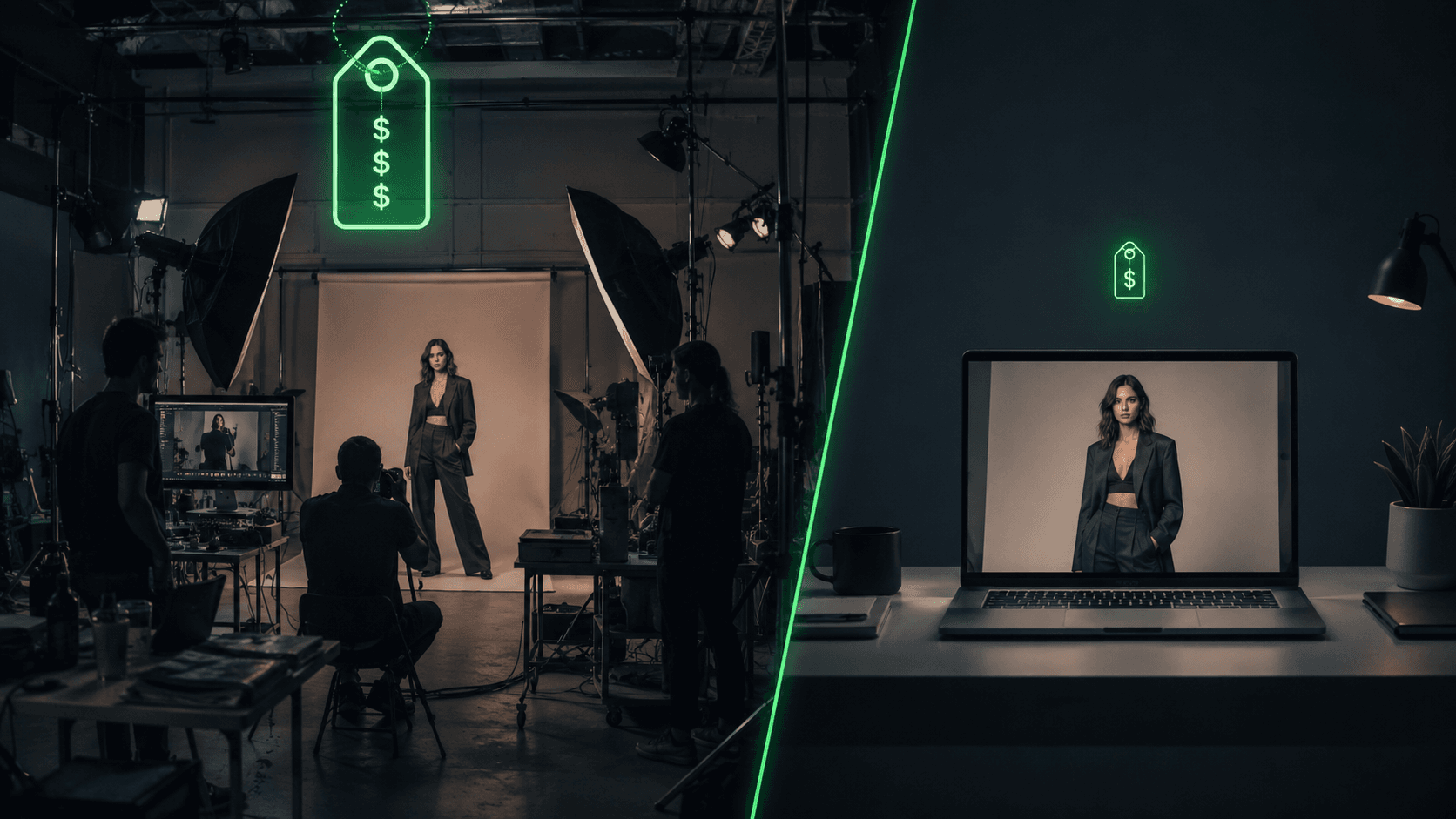
AI Clothing Photoshoot: What It Really Costs vs a Studio Shoot (2026)