

VModel is a pay-as-you-go AI fashion model generator with the lowest entry in the category: turn flat-lays and mannequin shots into on-model photos, change outfits, and auto-generate SEO product copy, with credits that never expire. No video, thin support, but cheap and developer-friendly.
VModel is the AI fashion model generator for sellers who hate subscriptions. There are no monthly plans: you buy credits once, they never expire, and you spend them turning flat-lays and mannequin shots into on-model photos. New accounts get $10 in free credits with no card, enough for a few hundred generations, which makes it the lowest-risk way to test AI fashion photography in the whole category. It is run by VModel, Inc., a company that keeps an unusually low profile (no public founders, a Gmail contact address), and it has two faces: a consumer-facing fashion tool and an API-first marketplace for running third-party AI models.
For a small Etsy or Amazon seller, a seasonal brand, or a dropshipper, that pay-per-use model is the whole appeal: generate in bursts, pay cents per image, and owe nothing the rest of the year. The fashion toolkit covers mannequin-to-model and flat-lay-to-model conversion, AI try-on, AI clothing change, 30-plus model styles with control over age, ethnicity, gender, body type, pose, and background, and a genuinely unusual extra, AI Dress Description, which auto-writes SEO product copy from a garment photo. There is a Chrome extension and a REST API, but no video generation and no native Shopify app. This review is for budget-first sellers and developers, not enterprise catalog teams.
What VModel makes in June 2026
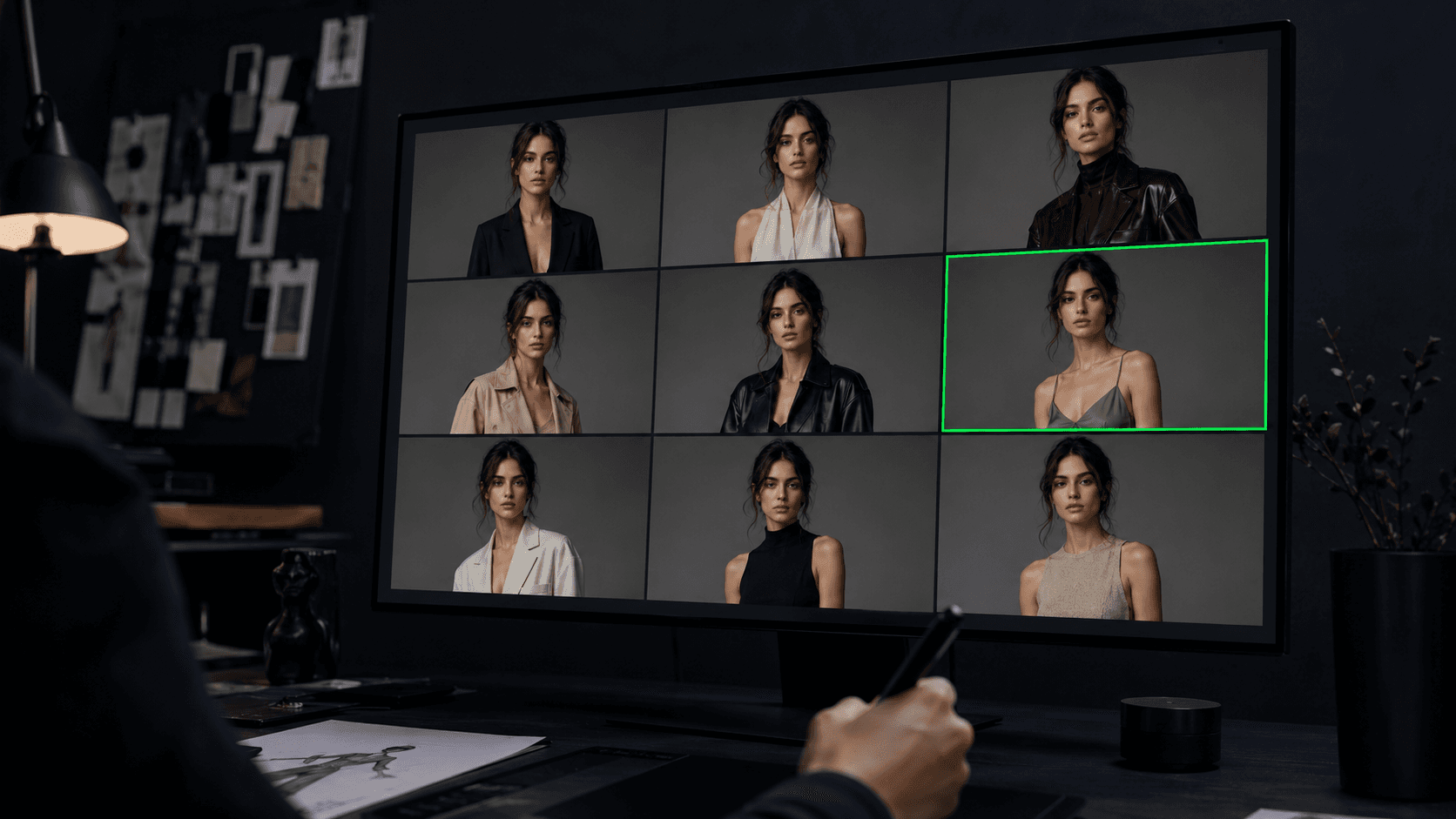
The fashion core is figure generation from a product image: upload a flat-lay or mannequin shot and VModel produces an on-model photo, with a 30-plus library of model styles you can tune by age, ethnicity, gender, body type, pose, and background. AI Try-On applies a garment to a chosen model, and AI Clothing Change swaps the outfit on an existing model image. The standout is AI Dress Description, which reads a garment photo and drafts SEO-optimized product copy, a feature no direct competitor offers and a real time-saver for sellers who dread writing listings.
Access is flexible: a web studio, a Chrome extension for quick browser-level generation, and a REST API for developers. The notable gaps are video (absent, while Botika and Uwear both offer it) and Shopify (no native app, unlike Botika or Modelia). VModel is a generation tool, not a storefront integration.
The cheapest way to put clothes on an AI model
Pricing is VModel's strongest card. It is pure pay-as-you-go: credit packs from $10 to $1,000, credits that never expire, and roughly $0.02 to $0.05 per generated image depending on the tool. The $10 free starter credit, with no card required, covers an estimated 200 to 500 generations, which is enough to actually evaluate the output on your own garments before spending a cent. Compared with subscription rivals like Botika at around $1.10 an image, VModel is an order of magnitude cheaper for low or irregular volume, and there is no monthly fee draining your account in the off-season. The one frustration is transparency: the pricing page shows pack sizes but not a clear per-tool credit cost, so you cannot calculate exact cost per output before you commit credits.
AI Dress Description: SEO copy from a photo
The feature worth singling out is AI Dress Description. Point it at a garment image and it generates SEO-optimized product copy, title, description, and keyword-friendly phrasing, straight from the photo. For a solo seller staring at a spreadsheet of 80 blank product descriptions, this is the kind of unglamorous automation that actually saves an afternoon, and it pairs naturally with the on-model generation: make the image and draft the listing copy in the same session. It is the clearest example of VModel thinking like a seller's tool rather than just an image generator, and no other tool in this roundup bundles it.
VModel vs Botika vs FASHN.ai
VModel's position is "cheap and flexible," and the comparison reflects that. Botika is Shopify-native with optional human QC and video, but charges roughly $1.10 an image on a subscription, where VModel charges cents with no subscription and no Shopify app. FASHN.ai has the best garment drape and a polished, well-documented API; VModel's API is cheaper to start and its credits never expire, but its drape fidelity and documentation are not in FASHN's league.
Against the volume leaders, Uwear wins for true catalog scale (10,000-item CSV batches and a shopper-facing widget) while still being cheap, and WearView bundles ghost mannequin and video for mid-market brands. VModel's edge over all of them is the combination of the lowest entry cost, never-expiring credits, and the AI Dress Description copy tool. Choose VModel when budget and flexibility outrank polish, support, and scale.
Where VModel falls short
VModel's weaknesses are consistent across independent reviews. Customer service is the recurring red flag:
"Research carefully before committing, customer service issues are a significant concern." (editorial note, Nightjar comparison, 2026)
Output has rough edges too, most notably a hanger artifact:
"I loved trying it for free, but if clothes are on hangers, sometimes you can still see part of the hanger near the body or neck." (user feedback cited in a WearView comparison, 2026)
Beyond that: batch processing is below average versus Uwear and Claid, there is no video, per-tool pricing is opaque, and the Terms of Service do not clearly define ownership of generated outputs, so confirm commercial rights before using images in paid ads. VModel's independent review footprint is also thin, with no real presence on G2 or Trustpilot, so quality claims rest mostly on its Chrome extension ratings (4.2 stars for the fashion generator, 4.7 for the try-on extension) and a handful of aggregator notes. That scarcity is itself worth weighing.
Who VModel is for, and who should skip it
VModel fits small and solo e-commerce sellers generating fewer than 100 images a month who want zero monthly overhead, seasonal sellers who need bursts of images without an off-season subscription, developers who want simple per-call API access with credits that never expire, dropshippers automating supplier image transformation at low cost, and anyone testing AI fashion photography for the first time. The AI Dress Description tool is a bonus for sellers who also need listing copy.
Skip it if you run a catalog-scale operation needing batch consistency, where Uwear or Claid are stronger, if you want native Shopify integration, where Botika fits, if you need video product clips, if you require the best fabric drape, where FASHN leads, or if dependable support and clear commercial licensing are non-negotiable. VModel is the budget specialist: cheap, flexible, and light on hand-holding.
A real workflow: a budget seller and a dropshipper
A small Etsy seller with 40 home-shot flat-lays uploads each one, picks a model style matching their customer, and generates one or two on-model images per SKU at a few cents each, finishing the whole catalog for a couple of dollars off the free credits, then runs AI Dress Description to draft the listing copy in the same sitting. A dropshipper goes the API route: they script the fashion endpoint against a feed of supplier product images, generating on-model shots for hundreds of SKUs a week at per-call pricing, with unused credits simply rolling forward.
Both lean on the same intent that drives this category: an AI model wearing your clothes, generated cheaply rather than shot. For the prompt patterns and model briefs that make those generations look intentional, Vantaige's Prompt Vault is a practical reference, especially for sellers iterating on a tight budget.
User Reviews
No reviews yet. Be the first to share your experience!
Sign in to write a review.
Related articles
Guides and articles related to VModel.
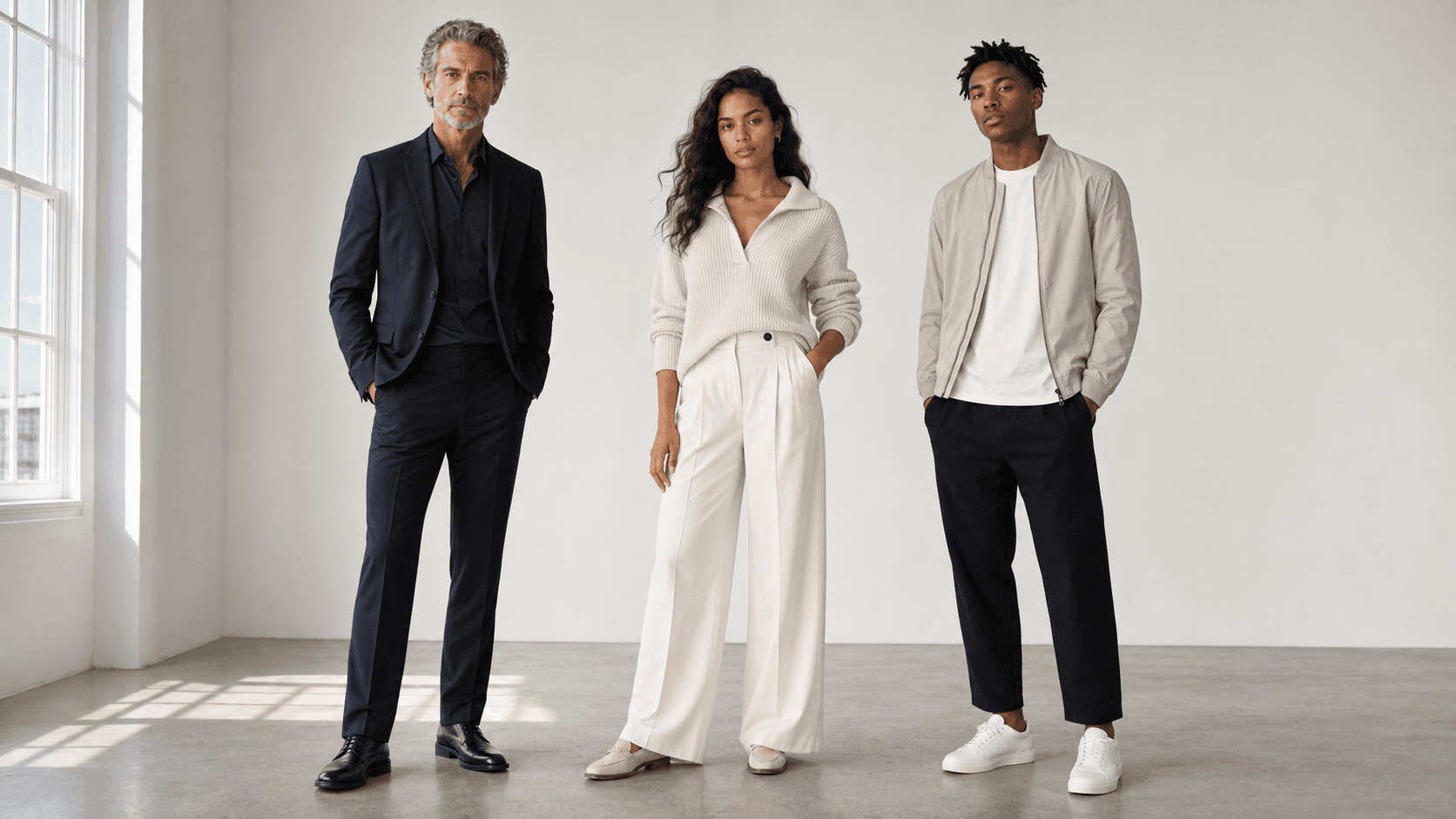
Best AI Fashion Model Generators for Clothing Brands (2026)
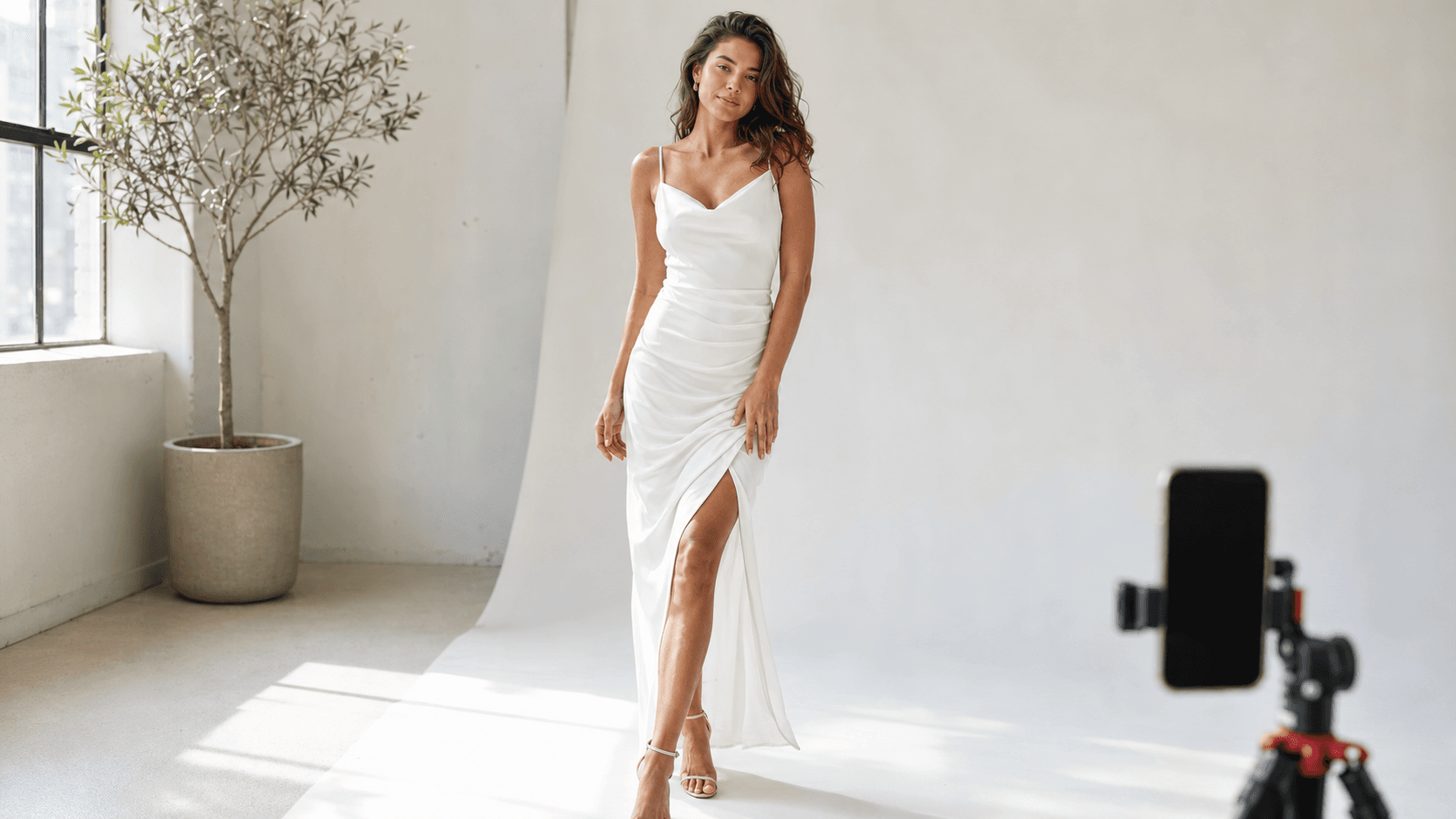
How to Get an AI Model Wearing Your Clothes (Step by Step)
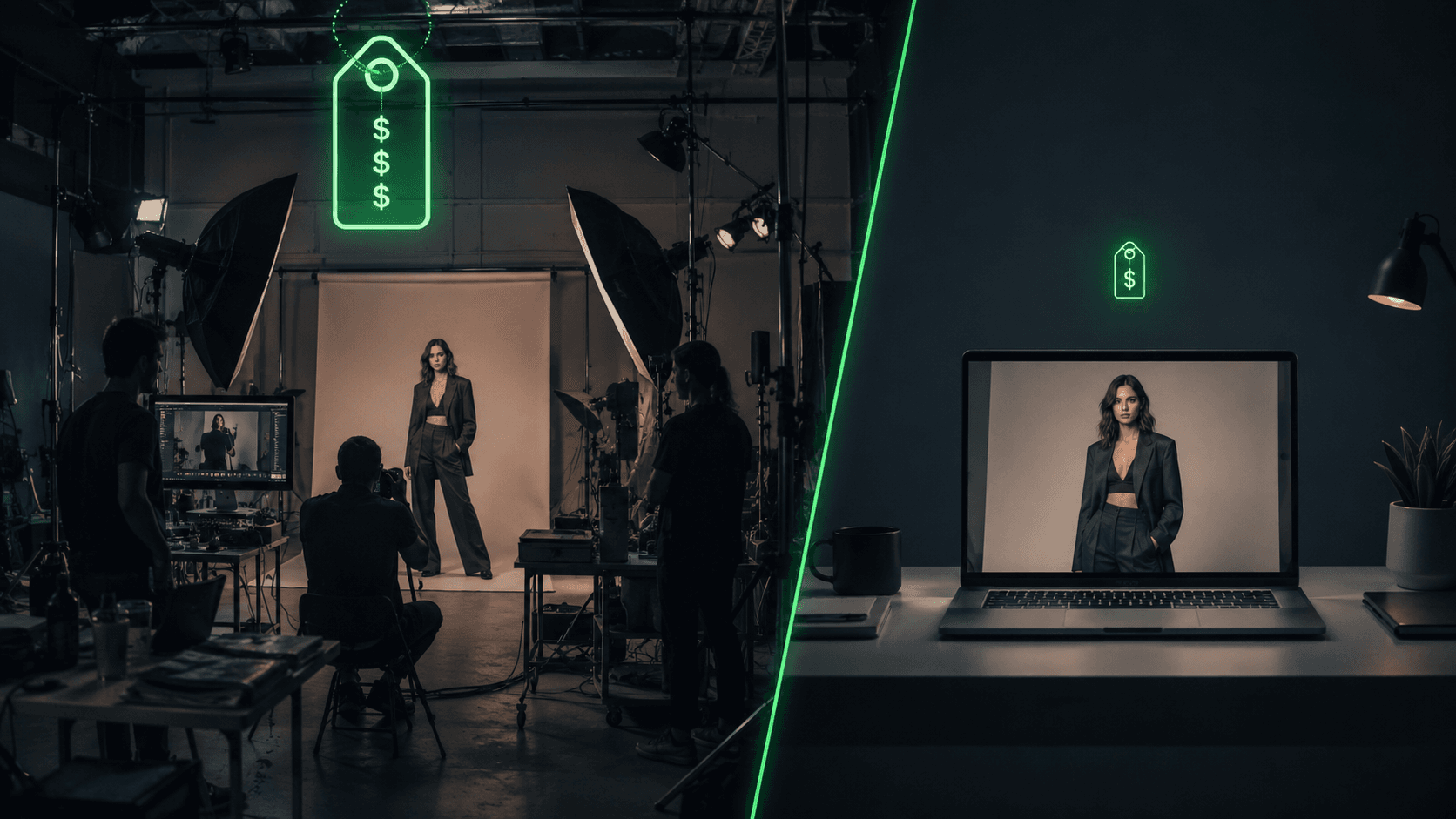
AI Clothing Photoshoot: What It Really Costs vs a Studio Shoot (2026)
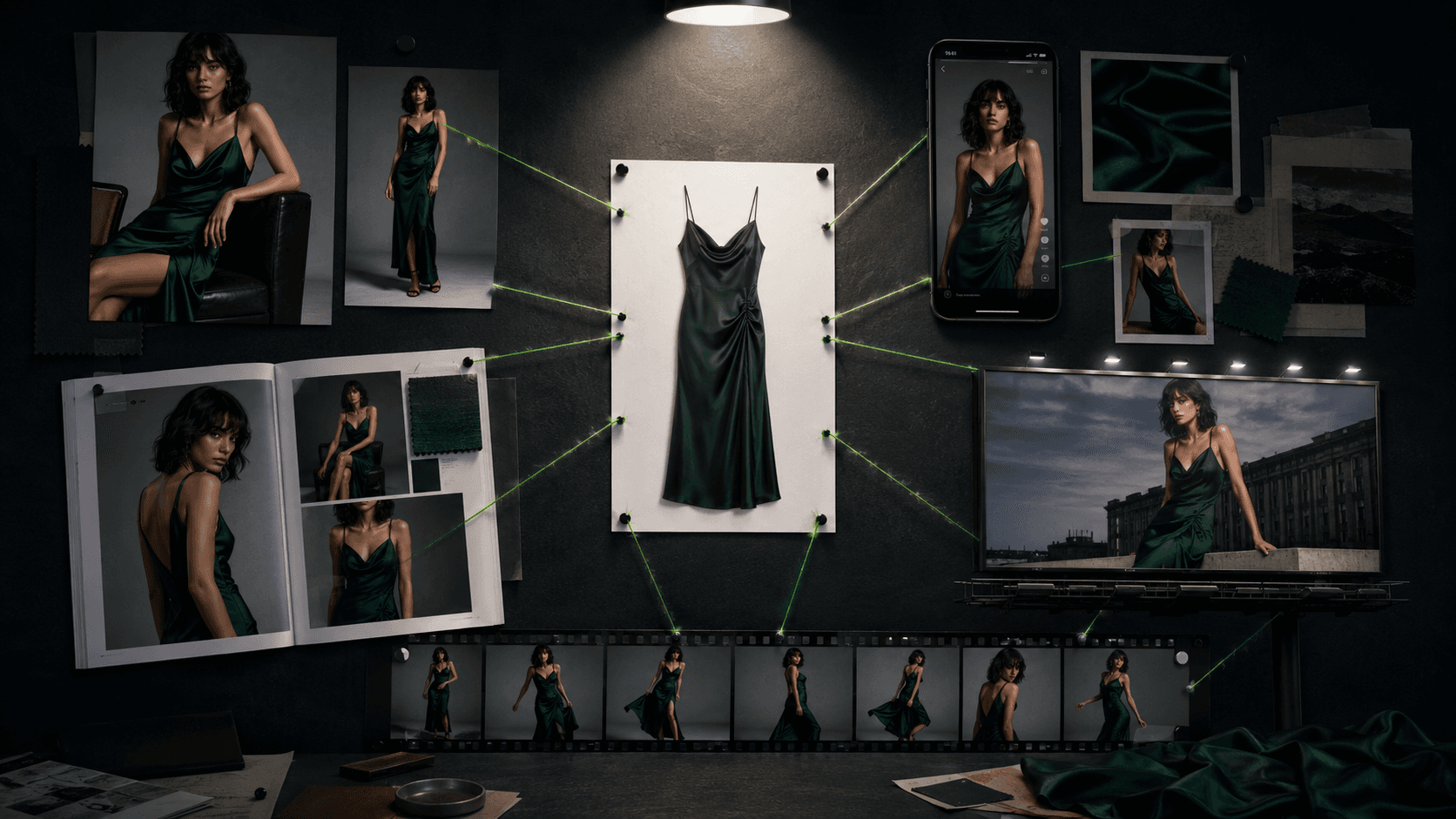
One Product Photo, Full Fashion Campaign: AI Images and Video That Sell (2026)
AI Fashion Prompts That Stay Consistent: The Working Formula (2026)